Skip to content

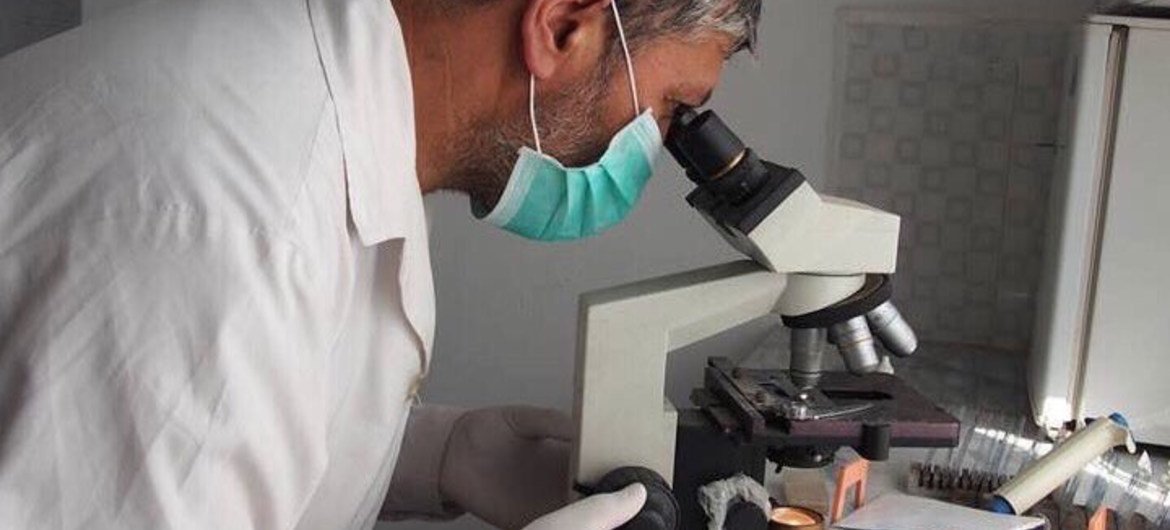

The World Health Organization (WHO) has warned that antimicrobial resistance (AMR) is worsening globally, with common bacterial infections increasingly becoming resistant to frontline antibiotics and, in some cases, medicines reserved for the most critical infections, threatening to undermine modern medicine and push healthcare systems towards a treatment crisis.
Fresh data from the UN health agency show that one in six laboratory-confirmed bacterial infections worldwide in 2023 was resistant to antibiotics, while resistance increased in more than 40 per cent of bacteria-drug combinations monitored between 2018 and 2023, with average annual increases ranging from five to 15 per cent.
The findings point to a growing threat from drug-resistant infections, which are making routine medical procedures, childbirth, cancer treatment and surgery increasingly dangerous as conventional antibiotics lose their effectiveness.
WHO said the situation was particularly alarming in healthcare settings, where patients with severe infections are increasingly failing to respond to antibiotics doctors typically prescribe as first-line treatment, forcing clinicians to resort to more potent drugs, including carbapenems, and, in some cases, a limited range of last-resort medicines.
The agency, in a joint assessment with the European Centre for Disease Prevention and Control (ECDC), also warned of worsening resistance among bacteria responsible for serious hospital-acquired infections across Europe, where progress towards reducing antimicrobial-resistant infections has been undermined by rising cases.
Instead of achieving a five per cent reduction in infections caused by Klebsiella pneumoniae, a common hospital-associated bacterium, between 2019 and 2025, infections rose by an estimated 72 per cent.
Similarly, infections involving Escherichia coli (E. coli) resistant to commonly used cephalosporin antibiotics, for which a 10 per cent reduction had been targeted, increased by more than 16 per cent over the period.
WHO said resistance to key antibiotics had been detected in at least half of samples of Klebsiella pneumoniae and Acinetobacter in approximately one in two countries across Europe, underscoring the growing difficulty of treating severe bacterial infections.
Dr Marc-Alain Widdowson, head of health security at WHO/Europe, said the findings showed that conventional antibiotics were increasingly failing against serious infections, leaving doctors with fewer effective treatment options.
“In many countries in the region, the antibiotics doctors usually reach for first are failing against serious hospital infections,” he said.
He explained that when frontline treatments fail, doctors turn to stronger antibiotics, particularly carbapenems, which are normally reserved for infections that are difficult to treat.
However, he warned that resistance to these drugs would leave patients increasingly dependent on a small group of last-resort medicines that are often expensive and unavailable in many countries.
“When those stop working too, what’s left is mostly a small group of last-resort drugs that are often expensive and not available in every country,” he explained.
“Each time one of these lines of defence falls, patients move closer to having no good options at all. That matters, because people whose first antibiotic doesn’t work against their infection are more likely to die in hospital.”
The worsening resistance situation is reflected in WHO’s latest global surveillance report, which found that more than 40 per cent of E. coli and 55 per cent of Klebsiella pneumoniae strains worldwide were resistant to third-generation cephalosporins, antibiotics widely used as first-line treatment for many serious infections.
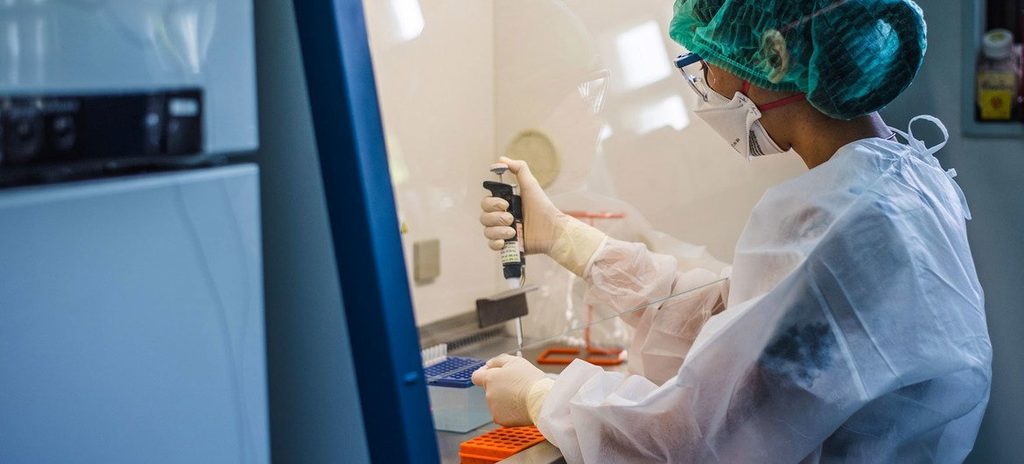
Resistance levels exceeded 70 per cent in parts of Africa, highlighting the disproportionate burden facing regions with weaker healthcare infrastructure, inadequate laboratory capacity and limited access to newer medicines.
Other essential antibiotics, including carbapenems and fluoroquinolones, are also losing effectiveness against these and other pathogens, including Salmonella and Acinetobacter, raising concerns about the spread of multidrug-resistant infections and the growing reliance on more expensive treatment options.
WHO said antimicrobial resistance occurs when bacteria, viruses, fungi and parasites evolve to withstand medicines designed to eliminate them, making infections more difficult to treat and increasing the risks of severe illness, complications and death.
The agency identified the misuse and overuse of antibiotics in humans, animals and agriculture, poor infection prevention and control, and inadequate access to quality medicines as major drivers of the crisis, which has increasingly been described as a “silent pandemic.”
Bacterial antimicrobial resistance was directly responsible for an estimated 1.27 million deaths in 2019 and contributed to nearly five million deaths globally, according to WHO estimates. Without effective interventions, resistant infections could also cause economic losses estimated at $3 trillion annually in global gross domestic product by 2030.
Beyond the growing resistance rates, WHO said weak diagnostic capacity was undermining the ability of health systems to identify resistant infections promptly and prescribe effective treatment.
In hospitals where blood samples are rarely collected and tested to identify the bacteria causing infections, clinicians are often forced to prescribe antibiotics without knowing which medicines are likely to work.
The agency warned that this increases the risk of patients receiving ineffective treatment while allowing resistant infections to go undetected and spread, leaving healthcare authorities with inadequate information for tracking outbreaks, monitoring resistance patterns and evaluating interventions.
“Better testing would help on both fronts, giving patients the right drug sooner and countries a clearer view of the threat,” WHO said.
Its latest Tracking Antimicrobial Resistance Country Self-assessment Survey (TrACSS), completed by 183 countries this year, showed that 173 countries had developed national action plans to tackle antimicrobial resistance, more than double the 79 recorded in 2017.
However, only 22 per cent of countries reported having both adequate funding and full implementation of their national action plans, leaving significant gaps in infection prevention, surveillance, diagnosis and treatment.
WHO Director-General Tedros Adhanom Ghebreyesus said the growing number of countries with national AMR plans was encouraging but warned that commitments without implementation would have little impact.
“National plans are essential for protecting the medicines that protect us, and the fact that most countries now have plans in place is great news,” he said.
“But an unfulfilled plan helps no one.”
The survey also revealed serious shortcomings in laboratory infrastructure, with only 36 per cent of countries reporting national reference laboratories capable of testing selected bacteria and fungi, far below the global target of 80 per cent of countries having comprehensive bacterial and fungal resistance testing capacity by 2030.
Similarly, only 63 per cent of countries reported having guidelines for appropriate antimicrobial use, while just over half had systems for monitoring national antibiotic consumption and tracking resistance levels.
WHO said the gaps were particularly pronounced in low- and middle-income countries, where fragile health systems, inadequate surveillance and limited access to diagnostics and effective medicines were contributing to worsening resistance and poorer patient outcomes.
Although country participation in the WHO antimicrobial resistance surveillance system has increased more than fourfold since its launch in 2016, rising from 25 to 104 countries, nearly half of WHO member states still failed to report resistance data in 2023.
The agency said the absence of reliable and representative data in many countries was limiting global understanding of the scale and distribution of resistance, making it difficult to identify emerging threats and target resources effectively.
In a positive development, WHO noted that bloodstream infections caused by resistant Acinetobacter had declined by nearly half from the peak levels recorded in 2021 during the COVID-19 pandemic, suggesting that improvements in infection control and healthcare practices could produce measurable results.
The agency said tackling AMR required coordinated action across human, animal and environmental health under the One Health framework, including stronger infection prevention, responsible antibiotic use, improved surveillance, equitable access to essential medicines, vaccines and quality diagnostics.
The 2024 United Nations General Assembly political declaration on antimicrobial resistance reaffirmed global commitments to address the threat, but WHO said countries must urgently translate those commitments into concrete investments and actions.
“Every infection prevented means fewer antimicrobials are needed, and testing ensures that patients receive the right treatment only when necessary,” Tedros said, urging governments to strengthen infection prevention, surveillance, access to essential antimicrobials and diagnostic capacity.
He warned that antimicrobial resistance was advancing faster than medical innovation, threatening the effectiveness of medicines that underpin modern healthcare and increasing the risks faced by millions of people worldwide.
“Our future depends on strengthening systems to prevent, diagnose and treat infections,” he said. “We must also innovate with next-generation antibiotics and rapid point-of-care molecular tests.”
WHO said World AMR Awareness Week, observed from November 18 to 24 under the theme “One Health, One Action: Prevent AMR Now,” offered an opportunity to mobilise governments, healthcare professionals, industry and the public around urgent measures to preserve the effectiveness of antibiotics and other antimicrobial medicines.
Do you like this personality?