 Skip to content


Sopuruchi Onwuka
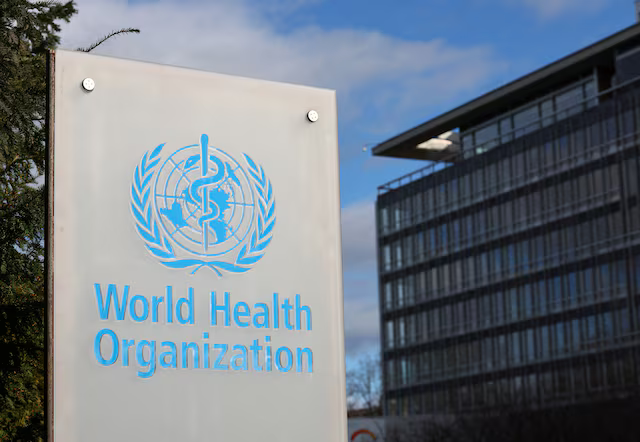
The United States has officially severed ties with the World Health Organization in a move the Trump administration says corrects past failures, particularly the WHO’s handling of Covid-19.

But beyond the politics, the decision raises a more basic question on how does the world tracks and prepares for fast-moving diseases without America’s contirbution. There is also more important question on whether the United States would cope with outbreaks of global COVID-19 magnitude without the world public health organization.
Many analysts are quick to predict that the US can easily cope without the WHO. Yet the US’ pullout from the global health body sends a disturbing signal.
The WHO is not just a diplomatic body. It runs one of the most important disease surveillance systems in the world, especially for influenza. Through a network of 127 laboratories across dozens of countries, the organization constantly collects, sequences, and shares data on emerging flu strains. That data is what allows scientists to spot dangerous mutations early and decide which strains should go into each year’s flu vaccine.
For decades, the U.S. has been central to that system. American scientists help analyze the data, and U.S. officials play a major role in the annual WHO meeting that determines the makeup of the next season’s flu shots. That meeting is scheduled for late February. The administration has not said whether the U.S. will attend.
This matters because flu is not a theoretical threat. The country is already in the middle of a severe flu season. Millions have been sickened, and thousands have died, including children. Flu viruses also change quickly, and small genetic shifts can mean the difference between a manageable season and a deadly one.
Without access to the WHO’s surveillance network, the U.S. risks losing early warnings about strains spreading overseas. It also risks losing the ability to compare data across countries in a consistent way. Different nations test different populations, use different diagnostics, and report cases differently. The WHO acts as a referee, standardizing information so outbreaks can be understood in context.
Administration officials say the U.S. will continue to lead in global health and will work with “trusted health institutions” instead of what they describe as a bloated bureaucracy. But so far, they have not named those institutions or explained whether they have the laboratory reach or technical capacity to replace what the WHO provides.
That lack of detail is what alarms experts. Disease surveillance is not something you can improvise. It depends on relationships, shared standards, and years of coordination. Walking away from that system does not just reduce U.S. influence. It creates blind spots.
The administration argues that the WHO mishandled Covid-19 and delayed critical information early in the pandemic. That criticism is widely shared, and the WHO’s failures deserve scrutiny. But reform and withdrawal are not the same thing. Leaving the organization removes the U.S. from the table at precisely the moment when global cooperation is most needed.
Public health threats do not respect borders or political grudges. Viruses do not care why a partnership ended or who won an argument years ago. They spread where surveillance is weakest and response is slowest.
The risk now is not just that the U.S. will be less influential in global health decisions. It is that Americans will be less protected the next time a dangerous strain of flu, or something worse, begins circulating beyond U.S. borders.


