Skip to content
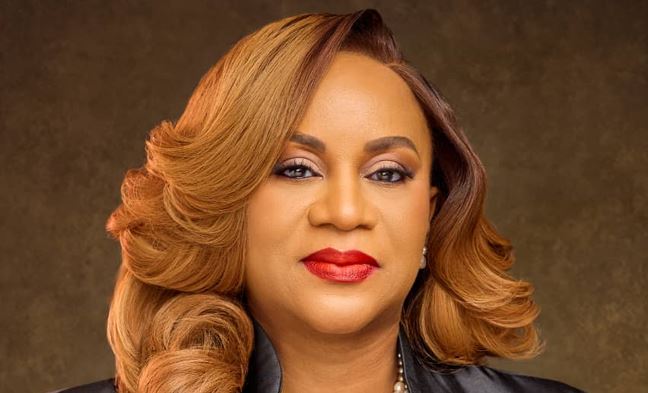
Audrey Ezigbo canvasses infrastructure subsidies to drive LPG adoption

Falcon Corporation Limited has called for a shift in Nigeria’s liquefied petroleum gas (LPG) intervention programmes from subsidising fuel consumption to investing in infrastructure that reduces delivery costs, boosts household affordability and sustains adoption of cleaner cooking energy.
The company’s Chief Executive Officer, Audrey Joe-Ezigbo, said achieving Nigeria’s LPG penetration targets would require coordinated government and private-sector investments in storage, distribution, logistics and household access, alongside measures to improve purchasing power and public awareness of the health benefits of cooking gas.
Speaking during a panel session on government-led LPG interventions at the 16th NLCGA Conference & Exhibition in Abuja, Joe-Ezigbo advocated a subsidy framework that prioritises infrastructure development over direct price support for the commodity, arguing that investments in the supply chain would deliver more sustainable benefits to consumers.
“We should subsidise access, not consumption. That means funding the infrastructure that lowers delivery costs, such as inland depots, bottling plants and better logistics, rather than the price. Some of these incentives already exist, and we need more of them,” she said.
She explained that transportation costs account for a significant portion of LPG prices paid by consumers, particularly in northern Nigeria, where the distance from coastal supply terminals increases the cost of moving the product to end users.
According to her, subsidising the commodity itself could undermine private-sector investment in the infrastructure required to expand LPG availability and distribution nationwide.
“We should avoid subsidising the molecule itself, because that discourages the investment needed to expand LPG use. Beyond our terminals, trucking and logistics, rail and pipelines will be essential to push LPG across Nigeria, and they require significant capital,” she said.
Joe-Ezigbo stressed that infrastructure investment must be complemented by interventions that improve household purchasing power and strengthen awareness of the benefits of LPG, particularly in reducing exposure to harmful smoke from traditional cooking fuels.
She said cylinder distribution remained an important component of government interventions but should be integrated into a broader framework that ensures households can afford to refill cylinders, access reliable supplies and continue using LPG long after initial support programmes have ended.
The Falcon chief executive proposed measuring the long-term sustainability of LPG interventions by tracking whether beneficiary households could independently refill their cylinders at prevailing market prices between 24 and 36 months after receiving support.
She recommended monitoring refill frequency per household and programme, with quarterly publication of the data to provide policymakers, investors and operators with reliable information on adoption rates, programme effectiveness and future infrastructure requirements.
According to her, such an approach would shift attention from the number of cylinders distributed to the actual level of sustained household consumption, providing a more credible measure of progress in Nigeria’s transition to cleaner cooking energy.
To attract greater private-sector participation, Joe-Ezigbo identified guaranteed supply, volume certainty and predictable regulation as critical conditions for investment, urging the government to establish an enforceable domestic LPG supply obligation.
She also proposed translating households reached through the Grassroots Programme into bankable demand commitments through performance-based offtake contracts linked to verified cylinder refills, which she said would provide operators with greater certainty to invest in storage, distribution and supply infrastructure.
While acknowledging the contributions of existing government initiatives towards expanding LPG access, she called for a coordinated national delivery framework supported by a central data platform and public scorecard to harmonise the programmes and improve accountability.
The proposed framework, she said, should integrate information on LPG demand, supply, household refills, storage and distribution investments, programme reach and lives saved, enabling government and industry stakeholders to identify gaps, track progress and coordinate investments more effectively.
“Government-led initiatives provide valuable opportunities to deepen LPG penetration. Building on these efforts through a coordinated national framework, a shared data platform and a public scorecard would help investors and industry stakeholders identify where they can contribute most effectively. This approach would strengthen continuity, improve progress tracking and align existing programmes around a common national agenda,” she said.
Joe-Ezigbo maintained that achieving Nigeria’s five-million-tonne LPG consumption target would depend on sustained collaboration between government and private-sector operators, with greater emphasis on financing the infrastructure that makes cooking gas accessible, affordable and reliably available across the country.
She said backing the assets that lower delivery costs and strengthen distribution networks would help households transition from firewood to cleaner cooking fuels, reduce exposure to smoke-related illnesses and improve public health outcomes.
Falcon Corporation Limited, she affirmed, remained ready to partner with the government, industry operators and relevant associations to expand LPG infrastructure, deepen household adoption and advance Nigeria’s cleaner cooking energy objectives.