Skip to content

- Homepage
- Conflicts and Wars
- Conflicts, wars responsible for 67% of maternal deaths __UN
Conflicts, wars responsible for 67% of maternal deaths __UN
 Sopuruchi Onwuka Posted on
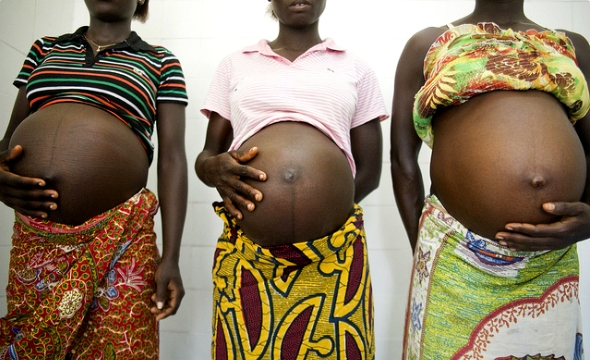
 Nearly two thirds of maternal deaths worldwide now occur in countries affected by conflict or fragility, according to a new report released by the World Health Organization and its partners.
The findings show that women living in conflict-affected countries face dramatically higher risks during pregnancy and childbirth. A woman in one of these settings is about five times more likely to die from maternal causes for each pregnancy compared to her counterpart in a stable country. In 2023 alone, an estimated 160,000 women died from preventable maternal causes in fragile and conflict-affected settings. That accounts for six in every 10 maternal deaths globally, even though those countries represent only about one in 10 live births worldwide.

The technical brief, produced by WHO in collaboration with an inter-agency group that includes the United Nations Development Programme, the United Nations Population Fund, the UNICEF and the World Bank, examines why pregnant women in crisis settings are more likely to die. It confirms what health workers often witness firsthand: when conflict or instability disrupts health systems, lifesaving maternal care becomes inconsistent or inaccessible.
The risks are especially severe for young girls. A 15-year-old girl living in a conflict-affected country in 2023 faced a one in 51 lifetime risk of dying from a maternal cause. In countries marked by institutional and social fragility, the risk was one in 79. In relatively stable countries, it dropped sharply to one in 593.
The report aligns maternal mortality ratio data with countries’ fragility classifications. Conflict-affected countries recorded an estimated 504 maternal deaths per 100,000 live births. In institutionally and socially fragile countries, the ratio was 368. In countries outside both categories, the figure was significantly lower at 99 per 100,000 live births.
These findings build on last year’s global maternal mortality estimates for 2000 to 2023, which showed that progress in reducing maternal deaths has stalled, particularly in low-income and crisis-affected settings. The new analysis provides a clearer picture of how instability and weak institutions compound risks for pregnant women.
Despite the bleak statistics, the report also highlights examples of resilience. In Colombia, training traditional birth attendants and strengthening trusted local networks have helped ensure timely care in areas where insecurity, geography or mistrust limit access to formal facilities. In Ethiopia, efforts have focused on restoring services after disruptions by deploying mobile health teams, renovating facilities and adding midwives to re-establish continuity of care.
In Haiti, initiatives have addressed financial and infrastructure barriers by offering free or low-cost caesarean sections and ensuring reliable electricity in hospitals, making lifesaving services accessible to displaced women. In countries such as Myanmar, Papua New Guinea and Ukraine, health authorities and partners have worked to protect essential maternal services by reorganising patient pathways, improving safe childbirth practices and planning at subnational levels even amid ongoing crises.
By linking maternal mortality data with fragility classifications, WHO and its partners say they now have a more precise tool to identify where health system strengthening is most urgently needed. The brief calls for greater investment in primary healthcare to sustain maternal services during crises, stronger data collection in hard-to-reach areas so no deaths go unrecorded, and more resilient health systems capable of adapting to shocks.
According to the UN health agency, such targeted efforts are critical to reducing preventable maternal deaths, even in the world’s most challenging and unstable environments.