Skip to content

Iran tightens grip on Hormuz, threatens vessels amid ceasefire

Tensions in the Gulf have escalated sharply as Iran moves to tighten control over the Strait of Hormuz, raising fresh concerns about global energy supplies despite a fragile ceasefire with the United States.
Reports from semi-official Iranian outlets, including Islamic Republic News Agency and Tasnim News Agency, published charts showing a designated “danger zone” across key shipping lanes in the strait. The markings have fueled fears that Iran’s Islamic Revolutionary Guard Corps may have deployed sea mines in the vital waterway.

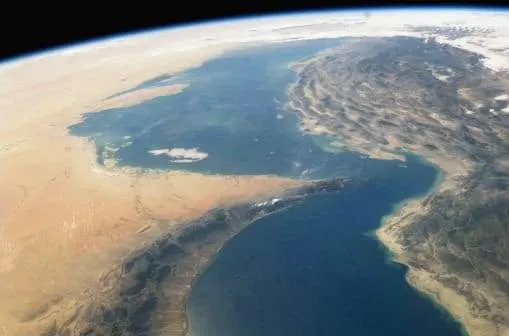
The Strait of Hormuz, a narrow passage linking the Persian Gulf to global markets, typically handles about 20 percent of the world’s oil and gas shipments, making any disruption a major threat to global trade.
Adding to the tension, Iran has warned that any vessel attempting to pass through the strait without prior authorization could be targeted. A broadcast message to ships in the Strait of Hormuz stated that unauthorized transit would result in destruction, underscoring Tehran’s intent to control movement through the corridor.
Iran is also reportedly demanding that shipping companies pay substantial transit fees in cryptocurrency. Under the proposed system, vessels would be required to declare their cargo in advance, after which authorities would set a toll—reportedly around one dollar per barrel—payable in digital currency within seconds.
Tehran says these measures are necessary to monitor maritime traffic and prevent the transfer of weapons during the two-week ceasefire. However, critics argue the move effectively restricts free navigation and increases risks for commercial shipping.
The situation has already impacted on maritime traffic. Ship-tracking data indicated a sharp drop in vessels transiting the strait, with only a handful of ships passing through on the first day of the ceasefire. Many operators have adopted a wait-and-see approach amid uncertainty over safety and access.
The developments come as cracks emerge in the ceasefire announced by Donald Trump. While Washington has pushed for the immediate reopening of the strait, Iran insists that passage will be tightly controlled and subject to coordination with its armed forces.
Tensions have been further complicated by ongoing fighting in Lebanon. Israel has continued strikes against Hezbollah targets, arguing that its operations fall outside the scope of the ceasefire. The position has been backed by JD Vance, who said the truce does not cover Lebanon.
Tehran, however, views the attacks as a violation of the agreement. Mohammad Bagher Ghalibaf said the basis for negotiations had already been undermined, while President Masoud Pezeshkian warned that continued strikes render planned talks meaningless.
On the ground, violence has intensified. Israel has vowed to continue its military campaign against Hezbollah, while the group has responded with rocket fire, raising fears that the conflict could widen and derail diplomatic efforts.
Global markets have reacted nervously. Oil prices have risen on concerns that supplies could be disrupted if the Strait of Hormuz remains restricted, while stock markets have surrendered earlier gains made after the ceasefire announcement.
With high-stakes talks expected to take place in Pakistan in the coming days, the future of the ceasefire—and the stability of one of the world’s most critical shipping routes—remains uncertain.