Skip to content

Shell puts $750m cost to Iran’s attack on Qatar’s Pearl GTL plant

Fred Ike
Shell is facing an estimated $750 million hit to revenues following Iran’s attack on its Pearl gas-to-liquids facility in Qatar, adding to the wider disruption across the country’s energy sector.

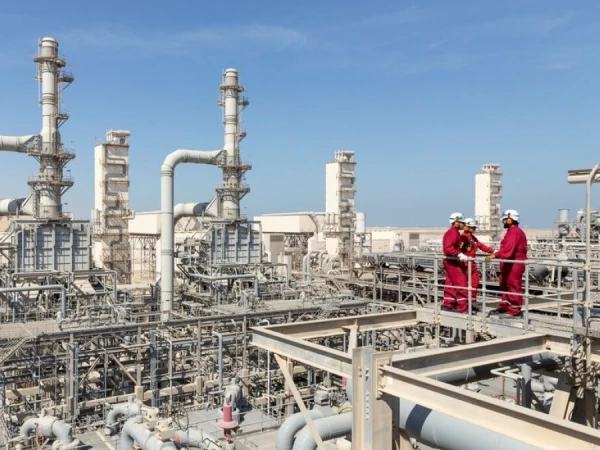
The Pearl GTL plant, located within Ras Laffan Industrial City, was badly damaged in a missile strike on Wednesday night. Operated by Shell, the facility is one of the company’s most important assets, converting natural gas into high-purity liquid products such as jet fuel, specialised lubricants and industrial coolants.
Shell confirmed that one of the plant’s two gas processing trains sustained significant damage, with initial estimates suggesting repairs could take about a year.
While the company did not provide a financial estimate, analysts at Wood Mackenzie said the affected train contributed roughly $750 million to Shell’s revenues last year, putting that income at risk during the outage.
Ali Nabizadeh of Wood Mackenzie described the Pearl GTL facility as a “crown jewel” in Shell’s portfolio, noting that its importance lies in its large scale and its ability to produce premium synthetic fuels with high profit margins.
He warned that the damage threatens a key source of earnings that Shell had spent years optimising after overcoming technical challenges.
There is some expectation that partial operations could resume sooner. Nabizadeh said Shell may be able to restart around half of the plant’s production once the conflict subsides and shipping routes through the Strait reopen.
The Pearl GTL plant sits in the desert about 42 miles north of Doha, near Qatar’s North Field, the world’s largest known natural gas reserve, which holds around 15 percent of global gas reserves. Its scale and technical complexity, however, are likely to complicate repairs.
Michael Connolly of ICIS said the damaged units are believed to include four cryogenic air separation systems, which are critical for extracting oxygen used in the conversion process. Damage to such specialised equipment could significantly extend the restart timeline.
Beyond the Pearl facility, Shell also has a stake in the wider Ras Laffan complex, which operates 14 LNG processing trains. Two of those trains were also damaged in the Iranian strike, adding to the broader disruption affecting Qatar’s gas exports.
Despite the operational setbacks, analysts say the financial impact on major oil companies may be cushioned by rising energy prices. Ashley Kelty of Panmure Liberum noted that a recent $8 increase in oil prices, highlighted by TotalEnergies, could offset losses from reduced production.
He said the surge in oil and gas prices, particularly in Asian markets, is likely to help replace lost cash flows, suggesting that the overall impact on large energy companies may be less severe than initially expected.