Skip to content

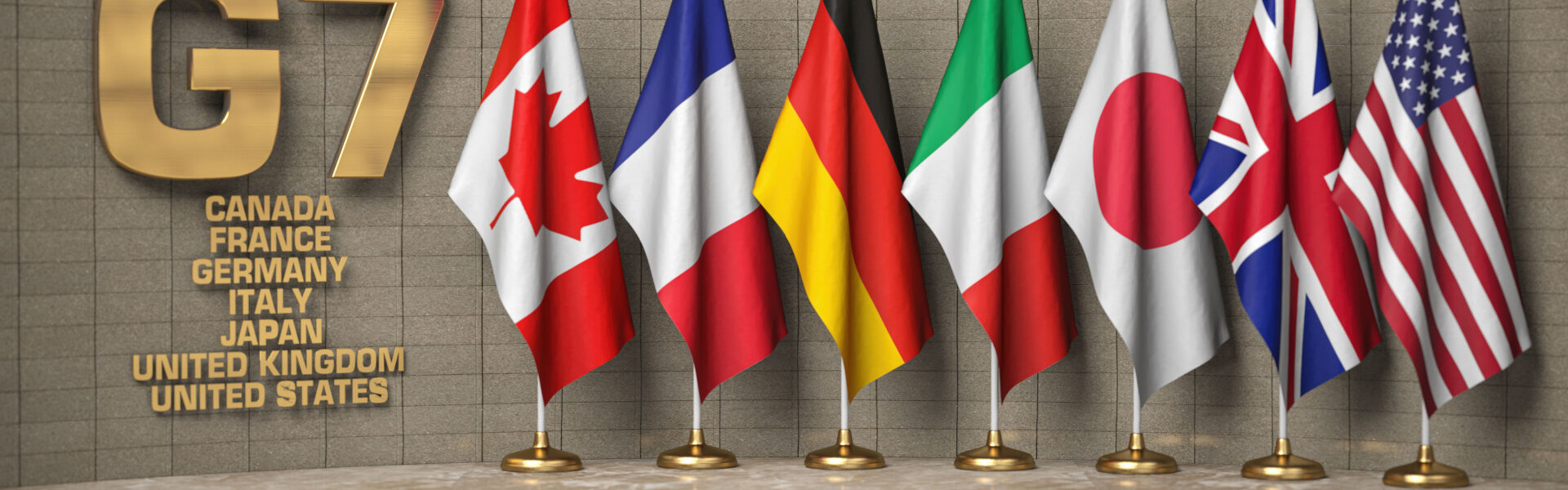
G7 agrees 100 Mbbls emergency oil to ease supply squeeze

The International Energy Agency (IEA) said Saturday that its member countries had so far released about 325 million barrels of oil and oil products from strategic reserves, representing more than 80 per cent of the 400 million barrels pledged in March to cushion the market against supply disruptions.
The update came a day after the Group of Seven (G7) agreed, in coordination with the IEA, to release a further 100 million barrels of crude oil and petroleum products over the next four months, including a substantial front-loaded release of diesel within the first 20 days.
The agreement followed pressure from the administration of US President Donald Trump on European allies to tap strategic reserves and ease a sharp squeeze in diesel supplies and prices.
The IEA said in a statement that “around 325 million barrels” of the collective action announced on March 11 had already been released, representing more than 80 per cent of the 400 million barrels originally pledged.
The G7 statement, issued by French President Emmanuel Macron’s office, did not make clear whether the newly announced 100 million barrels includes the 75 million barrels outstanding from the March commitment or represents an additional release.
The March commitment was made by the IEA’s 32 member countries, including all seven G7 nations — Britain, Canada, France, Germany, Italy, Japan and the United States.
Under Friday’s G7 agreement, the participating countries will release 100 million barrels of oil and oil products over four months, with the initial phase placing particular emphasis on diesel supplies.
The G7 also said there would be no ban on diesel exports between the participating countries, effectively removing a measure that Washington had previously raised as a possible response to the worsening supply situation. Trump later said the threatened restriction would not be imposed.
The emergency stock release comes as the global oil-products market faces mounting pressure from disruptions linked to the war in the Middle East. Iran has restricted shipping through the Strait of Hormuz in response to US and Israeli attacks, tightening the flow of crude and refined products through one of the world’s most important energy chokepoints.
The market has also been affected by Ukrainian strikes on Russian refineries, which have disrupted refining capacity as Kyiv responds to Russian attacks.
The combined disruptions have particularly tightened diesel supplies, prompting the Trump administration to press allies to make strategic stocks available in an effort to moderate fuel prices in the United States and other markets.