Skip to content

China expands its free tariff trade to 53 African nations

China will eliminate tariffs on imports from 53 African countries from May 1, expanding its zero-tariff access policy across nearly the entire continent as Beijing deepens trade ties with its largest regional partner.
The move builds on China’s existing zero-tariff regime covering 33 African countries and marks a significant widening of preferential access to the Chinese market. Eswatini will be the only African country excluded from the arrangement because it maintains diplomatic relations with Taiwan, which Beijing regards as a breakaway province.
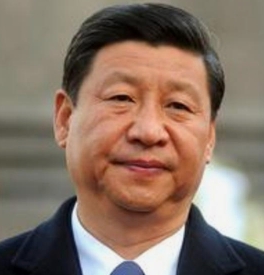
Chinese President Xi Jinping announced the expanded zero-tariff policy as African leaders gathered in Addis Ababa for the annual summit of the African Union. He said the measure would “undoubtedly provide new opportunities for African development,” signaling China’s intent to strengthen economic engagement with the continent.
China is already Africa’s largest trading partner, with trade spanning oil, minerals, agricultural products and manufactured goods. The expansion of tariff-free access is expected to boost African exports to China, particularly from commodity-producing countries seeking broader market entry.
The announcement comes weeks after the United States extended the African Growth and Opportunity Act (AGOA), a preferential trade pact granting eligible sub-Saharan African countries duty-free access to the US market. The extension highlights growing competition between Washington and Beijing for economic influence across Africa.
The world’s two largest economies are vying for access to African resources, including critical metals and minerals used in defense systems, electronics and clean-energy technologies. While increased foreign investment and market access can stimulate growth, analysts warn that heavy reliance on raw commodity exports could leave African economies exposed to global price volatility and limit progress in domestic value addition and industrialization.
China’s latest tariff decision therefore presents both opportunity and risk: expanded market access may boost export revenues, but long-term gains will depend on whether African countries can leverage the policy to diversify production and move up the value chain.