Skip to content

Beyond gas, NLNG’s Prizes turn creativity, innovation into national assets

- Investing in excellence, ideas that shape the future
Sopuruchi Onwuka
With significant $220,000 or some N300 million on the table, the Nigerian Prizes for Science, Literature and Creative Arts have spurred innovations and creative writings that have not only explored deeper for solutions to Nigeria’s problems but also drew attention to hidden problems and potentials for which the society must develop serious agenda.
The creative prizes did not just produce winners but also churned agenda for shaping the future of the country by inviting the society into deep thoughts about persuasions and actions that destabilize our social order, exposing bottled potentials that are yet to find expression, and beaming focus on lives and ambitions that trail behind the buzz of the cities.
Most importantly, the science prize for the year did just import solution that enhances healthcare delivery in the country and in the world, it threw up innovative systems that accelerates the speed with which medical science can now expand the gaps between life and death.
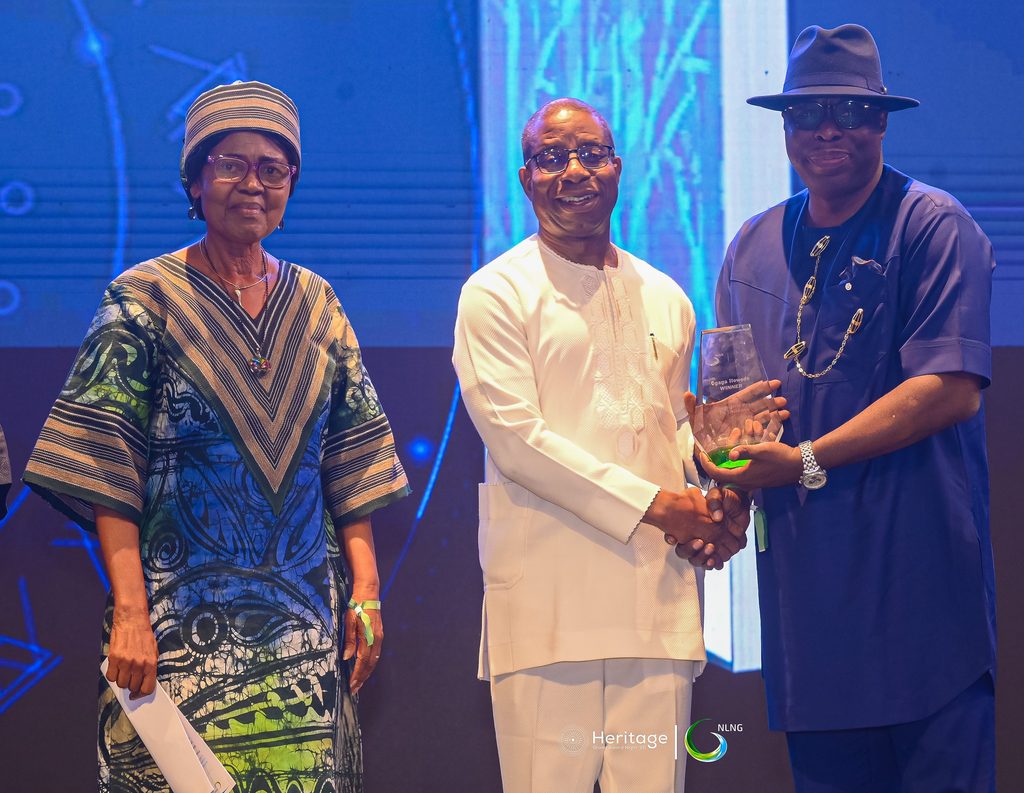
To close the curiosity gaps, Nigerian poet Ogaga Ifowodo won the 2026 edition of The Nigeria Prize for Literature with his poetry collection, Why Does God Need a Gun?, earning the $100,000 cash award and one of Africa’s most prestigious literary honors.
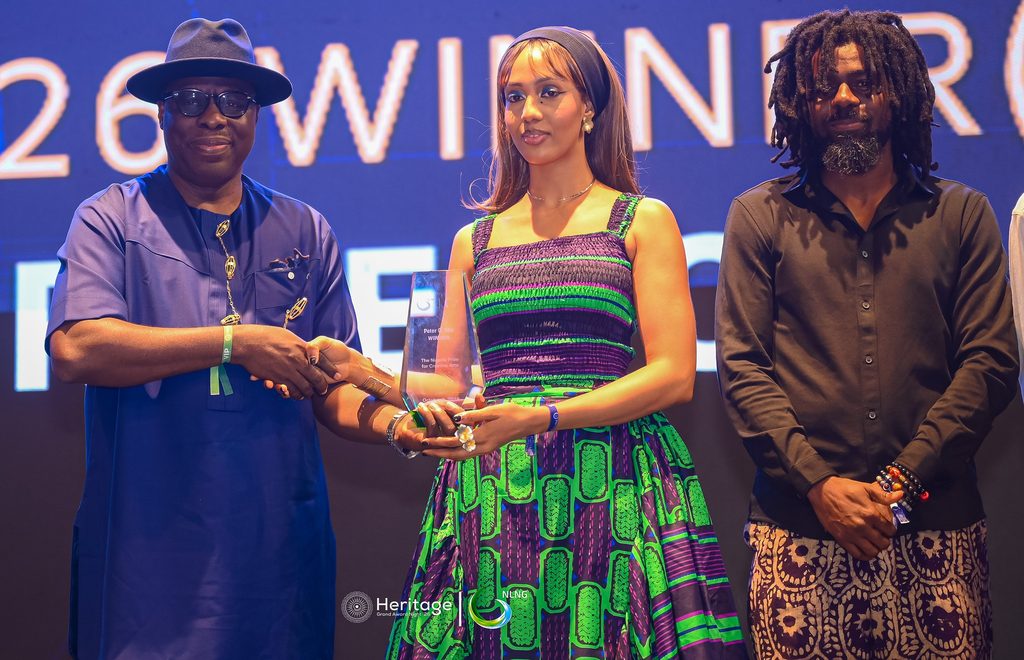
In another category, Peter Oghenetega Oke and Feranmi Abiola emerged joint winners of the inaugural edition of The Nigeria Prize for Creative Arts for their documentaries, Beyond Tarkwa Bay and Mara Mania, respectively, sharing the $20,000 cash award.
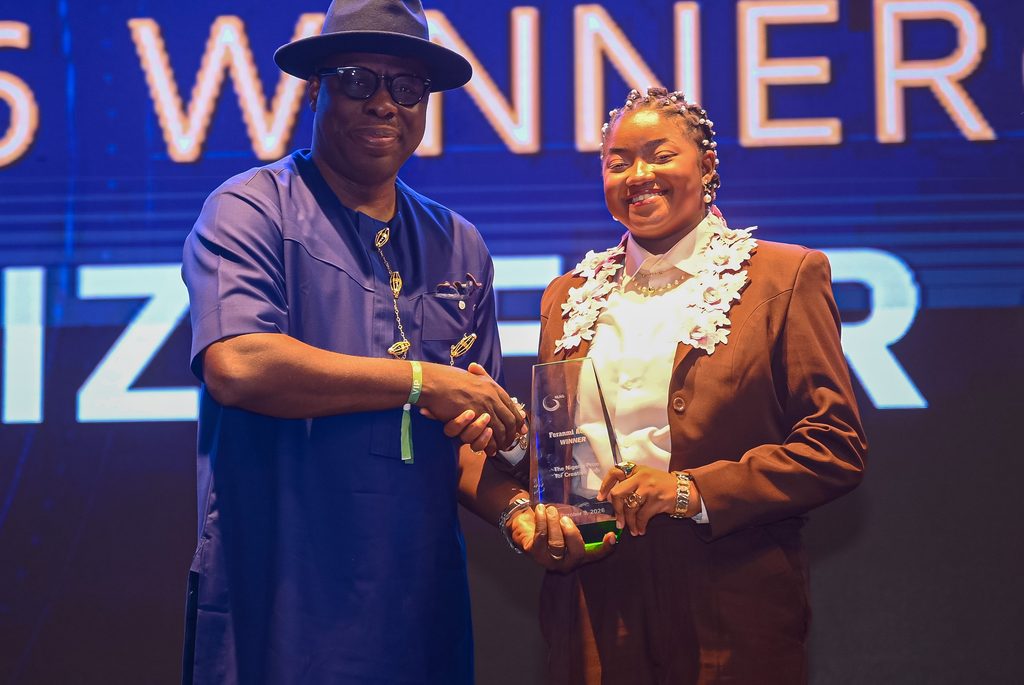
Earlier on, Mary-Brenda Akoda was announced the winner of The Nigeria Prize for Science and Innovation for her artificial intelligence-powered innovation, GenScan AI (GenMRI/C-MORE), designed to accelerate magnetic resonance imaging (MRI) for patients undergoing diagnosis for serious ailments.
Akoda’s achievement made her the first Generation Z recipient of the prize and the first woman to win as an individual awardee in the history of the NLNG sponsored Nigerian Prize for Science (NPS).
The winners were hosted to a reception at the Grand Award Night organized by Nigeria LNG Limited (NLNG) in Lagos, bringing together, for the first time, recipients of the three Nigeria Prizes in a celebration of scientific innovation, literary excellence and creative expression.
Oracle Intelligence reports that beyond its contributions to Nigeria’s energy industry, Nigeria LNG Limited (NLNG) has been powering a different kind of transformation by investing in ideas, celebrating brilliance and nurturing the creative and scientific talents shaping the nation’s future.
Through The Nigeria Prize for Science and Innovation, The Nigeria Prize for Literature and the newly introduced Nigeria Prize for Creative Arts, the company has built a platform that rewards excellence, stimulates innovation and elevates Nigerian voices on the global stage.
The NLNG has also demonstrated that investment in human ingenuity is as vital to sustainable development as investment in physical infrastructure by turning scientific breakthroughs into opportunities for societal advancement and literary and artistic expression into instruments of cultural preservation and national identity.
Beyond the celebrated awards, the Nigeria Prizes have become catalysts for discovery, creativity and intellectual achievement; inspiring a new generation of scientists, writers and artists to challenge boundaries, solve problems and tell stories that enrich society.
These were demonstrated in the 2026 Nigerian Prizes where three of the four winners are new generation writers, content creators and restless scientists; amplifying the rising curiosity of young Nigerians for deeper understanding of their environment, asking questions that spur deep thoughts, and driving adventures that incident innovations.
The four winners that went home with the prizes are mere delegates of communities of scientists, writers and curious creatives that lead adventures in their different fields of endeavor. And the volume of entries for the awards also amplifies the lucre and lure of the bait packages designed by the NLNG Limited to incentivize efforts that produce valuable outcomes.
In the creative category for instance, contestants threw in significant 321 entries, saddling the panels of judges to sieve through pages of scripts and clips of video in search of value and quality.
Out of the total submissions, 223 entries were received for poetry, and 98 submissions were received in the newly introduced Creative Arts Prize.
Together, the three awards amplified NLNG’s commitment to recognizing outstanding Nigerian talent and encouraging ideas and creative works capable of contributing to national development and enriching lives.
Announcing the literature winner, Chairman of the Advisory Board for The Nigeria Prize for Literature, Professor Akachi Adimora-Ezeigbo, described Why Does God Need a Gun? as a voice of an imagined victim, showcasing the sensitive portrayal of religious and political violence in Nigeria.
She also commended the three shortlisted poetry collections for their technical skill, confidence and mature use of language, noting that their themes extended beyond individual experiences to reflect broader questions about the Nigerian nation and humanity.
“Equally compelling is the conversation that unfolds across the three books. Though distinct in voice and style, they engage with related concerns: questions of identity and belonging; the promises and disappointments of nationhood; the consequences of extremism and displacement; and the enduring impact of conflict on individuals and communities,” Professor Adimora-Ezeigbo said.
“These are works deeply rooted in the Nigerian experience, yet they reach far beyond our borders,” she added.
The recognition places Ifowodo’s collection among the works celebrated by the annual award for their literary merit and engagement with issues of national and international significance.
Ifowodo told Oracle Intelligence later in an interaction hosted by the NLNG that he encountered the muse while thinking and wearing the shoes of Leah Sharibu who stood strong to her values in the face of death.
He said Sharibu’s experience became the metaphor for hundreds of victims of school abductions, sacked villagers and travelers who disappeared in transit.
Ifowodo also took a swipe at religious leaders in the country who weaponize faith for exploitation of vulnerable worshipers, stressing that all faith leaders are culpable in the wave of exploitation sweeping worship centers across the country.
He likened the current exploitation of worshippers in the country to the famed Guyana Tragedy where a certain Pastor Jones manipulated his followers into selling their belongings following him into a jungle where he convinced then into willful suicide before he took their wealth.
Why Does God Need a Gun?, Ifowodo said, interrogates the claims and positions of religious leaders who claim to speak for God.
In the Creative Arts category, Oke’s Beyond Tarkwa Bay and Abiola’s Mara Mania were named joint winners of the inaugural prize, which seeks to promote originality, authenticity and excellence in artistic expression. The two works are documentaries that x-rayed the lives of sublime life of talented but unrecognized community of youths that exist on the margins of every economic sector of the country.
Technical Adviser to the Advisory Board for The Nigeria Prize for Creative Arts, Joel Kachi Benson, said the films went beyond documenting reality to challenge perceptions, amplify marginalized voices and deepen public understanding of communities and cultures.
“These documentaries transported us into communities often unseen. They amplified voices too often unheard. They celebrate resilience, document culture, preserve memory, and reveal perspectives that enrich our understanding of who we are,” Benson said.
The new award expands the scope of the Nigeria Prizes by providing a platform for creative works that preserve Nigeria’s cultural heritage while exploring the country’s evolving identity and experiences.
For the science and innovation category, Akoda’s GenScan AI (GenMRI/C-MORE) was recognized for its application of artificial intelligence to accelerate MRI processes, highlighting the potential of technology to improve healthcare delivery and address practical challenges.
Young Ms Akoda told Oracle Intelligence during an interaction in Lagos that the GenScan AI (GenMRI/C-MORE) is not just a product but a process that would forever change how fast the world would run MRI scans on patients that require urgent treatment.
According to her, the GenScan AI (GenMRI/C-MORE) is an adaptable process that improves imaging, shortens process time by about 1000 percent (one thousand percent) by cutting each cycle from about 20 minutes to two minutes.
In countries like Nigeria where only tertiary and specialist healthcare facilities conduct MRI scans and where large number of patients wait in long queues to be served, the GenScan AI (GenMRI/C-MORE) brings a lot of relief and enhanced process efficiency.
For critically ill patients, Akoda noted, time defines life and death; and rapid diagnosis made possible by GenScan AI (GenMRI/C-MORE) enhances rapid diagnosis and treatment.
She said the GenScan AI (GenMRI/C-MORE) was currently undergoing certification by regulators in the United Kingdom and United States after successfully scaling clinical trials.
The $100,000 prize money, she said, would go a long way in mustering over $500,000 currently required to push the GenScan AI (GenMRI/C-MORE) through US regulatory approvals.
Akoda confessed that she was discovered by the NLNG NPS, saying that her mother, a professor of history, drew her attention and persuaded her to enter for the prize.
According to her, the GenScan AI (GenMRI/C-MORE) is one of the many more medical solutions she is currently innovating; adding that she is working with a number of funding partners and agencies to evolve a number of solutions in medical technology.
Managing Director and Chief Executive Officer of NLNG, Adeleye Falade, said the Nigeria Prizes were established to recognize outstanding achievement and encourage scientific innovation and literary excellence that enrich society and improve lives.
He said the Science and Innovation Prize had consistently celebrated researchers and innovators whose work translated scientific knowledge into practical solutions.
“It has celebrated the ingenuity, dedication and brilliance of scientists whose work extends far beyond laboratories and research papers to deliver practical solutions that improve lives,” Falade said.
He added that Akoda’s winning work, which focuses on artificial intelligence and information technology, had the potential to transform lives in Nigeria and across the world.
On literature, Falade said the prize had developed into one of Africa’s most prestigious literary honors, attracting widespread interest and providing a platform for Nigerian writers to contribute to international conversations through their work.
“Through this prize, Nigerian writers have demonstrated that our stories are far more than accounts of where we come from. They contribute meaningfully to global conversations about identity, resilience and our shared humanity,” he said.
He described the Creative Arts Prize as another avenue for celebrating originality and recognizing artists whose work preserves Nigeria’s heritage while presenting it in ways that resonate with new generations.
“Together, the Nigeria Prizes have become enduring national institutions and powerful reminders of what is possible when excellence is recognized, rewarded and encouraged,” Falade said.
Congratulating the winners and finalists, he said their achievements demonstrated the discipline and dedication required to excel, adding that the awards were intended not only to celebrate established accomplishments but also to inspire the next generation of scientists, writers and creatives.
“As we honor this year’s laureates, we also hope to inspire the next generation of scientists, writers and creatives whose ideas will solve tomorrow’s challenges, tell tomorrow’s stories and shape tomorrow’s future,” he added.
Nobel laureate Professor Wole Soyinka, who also addressed the gathering, highlighted imagination as a vital link between literature, the creative arts and science.
He argued that imagination was not the exclusive preserve of the humanities, noting that disciplines such as mathematics and physics also depended on the ability to envision possibilities and conceive ideas beyond existing knowledge.
Soyinka called for closer collaboration between the humanities and sciences, urging practitioners in both fields to combine their strengths in the service of humanity.
He said the two broad areas of knowledge should continue to expand the boundaries of imagination and work towards building a better world, with human wellbeing at the centre of creative expression and scientific advancement.
Oracle Intelligence reports that NLNG, through the three Nigeria Prizes, continues to promote intellectual achievement and creative excellence while encouraging scientific solutions, literary works and artistic expressions that reflect Nigeria’s experiences and contribute to global knowledge and cultural conversations.
Akoda’s award, for instance, reflects the broader objectives of the science prize, which has recognized innovations across health, agriculture, engineering, energy, technology, climate resilience and sustainable development.
Beyond the prize money, the awards also provide professional recognition and a national platform for outstanding individuals whose work demonstrates the transformative potential of innovation and creativity.