Skip to content



Sopuruchi Onwuka
Acquisition of Shell Nigeria Gas and proposed takeover of TotalEnergies’ Renaissance stake form two critical accomplishments that very few industry investors could pursue at a time acute liquidity squeeze, stringent regulatory demands, and continuously shifting partnerships.
Vaaris Energy Limited which just grabbed Shell’s domestic gas business in Nigeria is also awaiting regulatory approval to close acquisition of significant stake in Renaissance Africa Energy Company (RAEC) Limited to consolidate its growing asset base.
When successfully concluded, the transactions would then confer the indigenous energy group with a diversified portfolio and position it to bridge domestic gas distribution, industrial development and upstream petroleum production.
The emergence of Vaaris Energy as a potential new force in Nigeria’s petroleum industry reflects a significant shift in the country’s energy ownership structure, as indigenous investors move beyond acquiring individual oil fields to forging consortiums and building integrated businesses across the petroleum value chain.
The key fulcrum of the unfolding transformation is Mr Austin Avuru, a strident industry advocate, versatile investor and one of the prominent figures associated with the growth of Nigeria’s indigenous upstream petroleum companies.

Currently the Chairman of AA Holdings Limited, Mr Austin Avuru, is an eminent geologist who has earned immense experience in oilfield operations, high level executive management, high-risk high-return investments, industry leadership, policy advocacy and investment advisory.
His unsolicited bid and acquisition of producing oil blocks from Shell triggered the wave of asset divestments that currently build a new generation of indigenous energy independents who have significantly displaced international oil companies from Nigeria’s conventional terrains.
Mr Avuru is the founding Managing Director of Platform Petroleum, founding Managing Director of Seplat Energy Plc, and major investor in Pillar Oil. He currently provides technical and funding partnerships, consultancy and guidance to upstarts seeking to navigate the complex terrain of energy business.
Having made enormous contributions in Nigeria’s policy debates and in the review of laws governing the industry, Mr Avuru earns a position among the nation’s eminent industry technocrats and professional leaders charting the way for the future.
Mr Avuru is an eminent Fellow of the National Association of Petroleum Explorationists (NAPE) and Society of Petroleum Engineers (SPE). He also holds membership of Institute of Directors (IOD). He commands the respect and audience of peer industry leaders through books and journals he authored across years to relate his experiences to upcoming players.
He remains vehement in his advocacy for continued investment in upstream petroleum industry, dismissing widespread concerns over the impact of funding freeze and climate action on the industry.
Mr Avuru has remained relentless in forging partnerships that seek to reclaim the Nigerian petroleum industry operations from external control. His experience in developing domestic energy assets, commercializing natural gas and building indigenous petroleum companies provides an important context for understanding the rapid expansion of Vaaris and its ambitions in the Nigerian energy market.
After helping establish solid base for Platform, Seplat and Pillar Oil, Avuru has remained at the center of other major transactions that underpin the scale of the emerging changes in the control of upstream petroleum assets.
In the prevailing development, Shell Petroleum B.V. announced an agreement to sell its entire interest in the Shell Nigeria Gas Group to Vaaris Energy Limited, giving the indigenous company a foothold in an established domestic gas distribution business.
Separately, Vaaris Resources had already executed a sale and purchase agreement with TotalEnergies EP Nigeria to acquire the French company’s 10 per cent non-operated interest in Renaissance Africa Energy Company Limited, the consortium operating the portfolios of former Shell Petroleum Development Company joint venture.
Although the transactions remain subject to the relevant regulatory conditions and approvals, their strategic asset portfolios could give the Vaaris group a more diversified operating platform spanning domestic gas distribution, industrial energy supply and upstream oil and gas interests.
For a company seeking to establish itself in a petroleum industry, the acquisitions present the opportunity to combine its different interests into a comprehensive business capable of generating cash flow, supporting further investment and expanding its commercial reach.
The emerging structure will obviously bring Avuru’s experience in developing indigenous petroleum businesses to bear. His records at Platform and Seplat offer relevant reference point for assessing how the Vaaris group might translate a growing collection of assets into a sustainable enterprise.
As a former Seplat chief executive, Avuru was involved in building a Nigerian independent producer through the acquisition and operation of petroleum assets divested by international companies. The Seplat experience has roundly demonstrated the commercial potential of indigenous operators that combine technical expertise, disciplined asset management and access to investment capital to drive inorganic growth in an environment where access to assets poses a formidable challenge.
His status as eminent geologist, technical capabilities and shrewd investment decisions have proved particularly important in an environment where indigenous companies drive growth with brown assets.
The Seplat experience has proved that indigenous companies seeking to enter the sector face the challenge to extend their capacity beyond the ability to purchase assets, and demonstrate capability to operate complex petroleum facilities, sustain production, manage relationships with host communities, meet regulatory obligations and secure the financing required to maintain and expand operations.
Avuru’s experience provides a practical reference for addressing these challenges; and his association with Vaaris brings to the emerging group an industry perspective shaped by the commercialization of domestic petroleum resources and the development of an indigenous company within a competitive international energy market.
More importantly, his background in natural gas is relevant to a group whose latest expansion combines an established gas distribution network with prospective interests in a major upstream oil and gas joint venture.
Mr Avuru has sufficiently made it clear that gas development requires a different commercial approach from oil production. Right from his days at Platform Petroleum, he has established a record of reliable supply arrangements, constructed and maintained infrastructure, secured customers and negotiated commercially viable terms that support sustained demand.
He has proved that the value of gas depends not simply on the size of reserves or production capacity but on the ability to connect supply with markets. This where his gas pedigree connects directly with Vaaris’ acquisition of Shell Nigeria Gas.
While the Renaissance transaction offers exposure to established oil-producing assets, the domestic gas business provides a platform for supplying industrial and commercial customers. The two businesses operate at different points in the petroleum value chain, creating opportunities for diversification and potentially complementary growth.
Avuru’s experience in indigenous upstream development and the commercialization of gas could also help shape the strategic thinking required to manage these distinct businesses within a broader corporate structure.
The group’s diverse ownership arrangements, capital resources, management structure and ability to execute plans provides solid business foundation, but sustainable growth must be demonstrated through operational performance and financial results. This is where acquisition of Shell Nigeria Gas confers immense value to Vaaris Energy’s domestic gas ambitions.
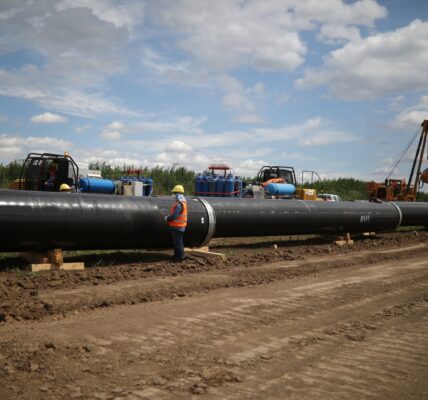
Shell Nigeria Gas has operated in Nigeria’s industrial and commercial gas market for more than 25 years since establishment in 1998. The business supplies natural gas to customers through a pipeline network extending approximately 170 kilometers across Ogun, Abia and Rivers states. It serves more than 130 connected customers, giving the business an established commercial presence in industrial markets.
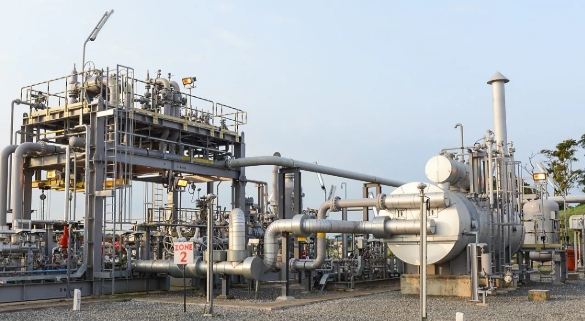
The portfolio therefore offers Vaaris sufficient entry point into gas distribution. It provides access to an operating business with existing infrastructure, established customer relationships and experience in supplying natural gas to commercial and industrial users.
In sum, the transaction illustrates how portfolio decisions by international oil companies can create opportunities for indigenous investors to acquire businesses that have already established market positions.
For an indigenous energy company seeking to expand its participation in Nigeria’s gas economy, acquiring an established platform eliminated the challenge of building a comparable network from scratch and guarantees early financial returns on invested funds.
With the acquisition, Vaaris stands to inherit an existing commercial network from which it could pursue further expansion, subject to the terms of the transaction and the resources available to the business.
Shell’s Country Chair in Nigeria, Elohor Aiboni, said the company believed the agreement would provide a stronger platform for the business’s next phase under new ownership.
She said Shell is concentrating its Nigerian portfolio on deepwater petroleum and integrated gas positions, while Vaaris is seeking to establish a broader domestic operating footprint.
Thus, the commercial challenge for Vaaris would be to preserve the strengths of the acquired business while identifying opportunities to expand its customer base and distribution infrastructure.
Director of the Decade of Gas Programme of the government, Mr Ed Ubong, told Oracle Intelligence that Nigeria’s industrial sector requires dependable energy supplies to support manufacturing, processing and other productive activities.
He stated that natural gas could provide an alternative to more expensive or less efficient energy sources there it could be delivered reliably and at commercially viable prices.
An expanded gas distribution business could therefore position Vaaris to participate in industrial development while building recurring commercial relationships with customers.
Therefore, the scale of the company’s future expansion will depend on gas availability, infrastructure investment, customer demand, pricing, payment discipline and the regulatory environment.
Moreover, the Shell Nigeria Gas business does not itself operate upstream gas production, liquefied natural gas facilities or international gas trading. Its immediate value lies in domestic distribution rather than direct ownership of the entire gas supply chain.
An independent analyst who commented on the announcement noted that the acquisition would create a stronger downstream and midstream commercial platform. He noted that Vaaris Group would still need effective supply arrangements and adequate investment to expand its position in the domestic gas market.
While Shell Nigeria Gas gives Vaaris a more established presence in domestic distribution, the proposed acquisition of TotalEnergies’ 10 per cent interest in Renaissance Africa Energy Company introduces a different dimension to the group’s growth strategy.
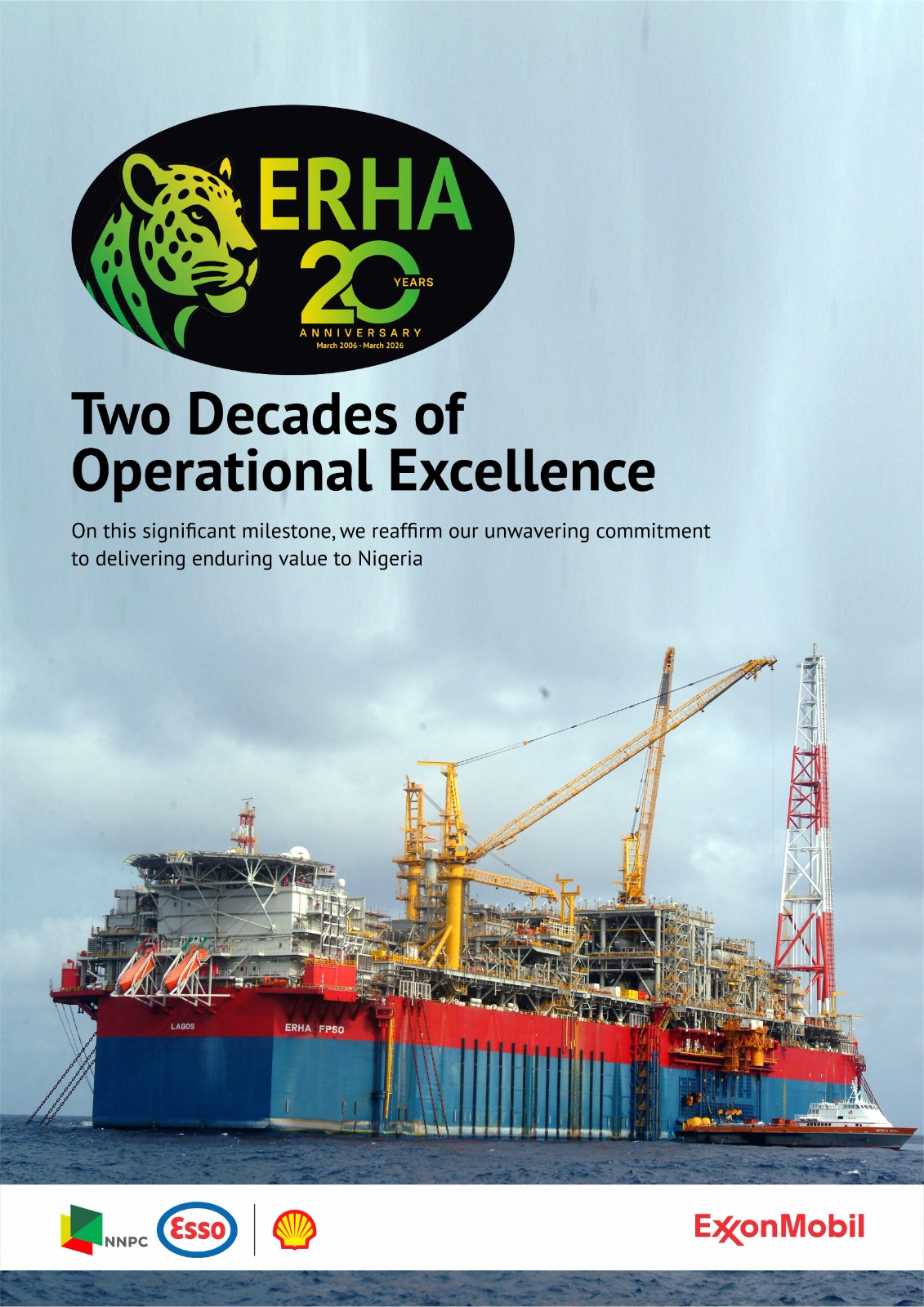
Renaissance is the indigenous consortium that acquired Shell’s former onshore and shallow-water Nigerian oil and gas business. Its joint venture with the Nigerian National Petroleum Company Limited, Eni and TotalEnergies represents one of the country’s major petroleum-producing arrangements.
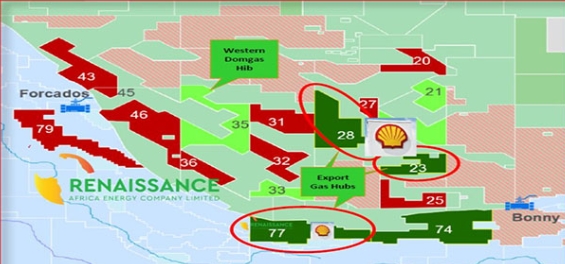
The transaction agreed with Vaaris Resources covers TotalEnergies’ non-operated interest in 15 licenses, according to the details of the transaction. But wider reports have it that the interests run across 18 oil mining leases in the Niger Delta. The precise license count is expected to clear in the final transaction documentation.
The assets generated approximately 16,000 barrels of oil equivalent per day in net production for TotalEnergies in 2025, according to the transaction information provided.
The acquisition which is expected to sail through regulatory approval soon would give Vaaris minority exposure to an established upstream portfolio spanning onshore and shallow-water operations. It would also place the company within a major indigenous-led petroleum venture at a time when Nigeria’s upstream sector is undergoing a significant ownership transition.
The commercial implications for Vaaris are substantial because upstream petroleum interests can provide exposure to oil and gas production revenues, while also creating opportunities to participate in the development of existing fields and associated infrastructure.
In the case of Renaissance, the envisaged challenges include legacy onshore vulnerabilities associated with crude oil theft, pipeline vandalism, ageing infrastructure, environmental liabilities and community relations.
These concerns have implications on production reliability, operating expenditure, investment requirements and the capacity of an asset to generate sustainable returns. Vaaris would therefore be entering a business with established production potential and also substantial operational responsibilities.
The proposed acquisition follows an earlier failed attempt to sell the same 10 per cent interest to Chappal Energies in a transaction valued at approximately $860 million. The deal did not proceed after regulatory concerns about the prospective buyer’s financial capacity and compliance with requirements.
Subsequent interest from other investors, including groups associated with prominent Nigerian financiers, did not result in a completed transaction.
Thus, Vaaris’ emergence as the prospective buyer consequently places the spotlight on its ability to demonstrate the financial and technical capacity required to assume the responsibilities associated with the asset.
Whereas the purchase price and detailed funding arrangements remain sketchy, the Nigerian Upstream Petroleum Regulatory Commission (NUPRC) has an important role propelling the transaction and asset transfer to completion.
Quick regulatory approval would present Vaaris the necessary step towards consolidating its upstream position and expect that the asset would deliver the expected commercial benefits.
Perhaps the most important feature of Vaaris’ expansion is not simply the number of petroleum interests it is assembling but the potential relationship between its different businesses. An upstream portfolio and a domestic gas distribution network generate value through different mechanisms.
Whereas upstream interests expose a company to production revenues; gas distribution, by contrast, depends heavily on the commercial terms governing sales. And when effectively managed, the two businesses can provide different sources of revenue and create a more diversified operating profile than a company concentrated exclusively on a single asset or petroleum activity.
Thus, the acquisition of Shell Nigeria Gas offers Vaaris access to an established domestic customer base, while the proposed Renaissance stake would expand its upstream exposure. Together, the assets could help establish a broader platform from which the group can pursue additional opportunities across Nigeria’s petroleum industry.
Oracle Intelligence reports that Vaaris’ emerging portfolio illustrates the changing character of indigenous participation in Nigeria’s petroleum industry.
Whereas the first generation of indigenous upstream companies has demonstrated that Nigerian investors could acquire and operate assets previously controlled by international oil companies; the next phase of control recovery would now involve building businesses with wider range of interests, combining production assets with infrastructure and commercial activities that extend the reach of the enterprise.
The conceptualization and Vaaris, and its inorganic growth efforts fit into the broader transition of industry operations control from international energy companies to home grown independent companies.
The Shell Nigeria Gas acquisition confers the group with established domestic distribution business with an existing pipeline network and industrial customer base. The proposed Renaissance acquisition would add a minority interest in an extensive upstream oil and gas portfolio.
These assets could create a foundation for growth across different segments of the industry, provided the regulators speedily enable transactions and the board of the company provides the capital and management required for performance.
Interestingly, the NUPRC has been lamenting poor management of assets by awardees of recent oil licenses, with the Commission Chief Executive, Mrs Oritsemeyiwa Eyesan, deploring companies that sit on dormant assets.
For companies like Vaaris which has staked commercial funds in asset and equity acquisition, accumulating assets is only the initial step to building strong viable enterprises. And with the lineup of tested industry titans, versatile investors and accomplished entrepreneurs behind the Vaaris Group, industry observers express strong conviction that the size and structure of the company’s portfolio will seamlessly translate to sustainable and dependable cash flows, productive use of capital and sufficient returns to support expansion.
The group’s ability to secure additional investment to meet the financial commitments associated with its upstream interest and managing the risks inherent in mature onshore and shallow-water assets is also critical.
Avuru’s experience in building indigenous petroleum companies is relevant to the success of Vaaris because he provides a reference point for the management of acquired assets and the development of commercial capabilities.
More important would be the pedigree of its promoters in instituting financial discipline, technical competence and effective governance to drive the scale of Vaaris’ ambitions.
With the announcement of Shell Nigeria Gas to Vaaris, the industry will also be watching how the emerging indigenous company structures its businesses, manages relationships among its investors and establishes a clear framework for decision-making across the group.
Whereas a well-structured asset base can support accelerated growth when individual businesses complement one another and management has the capacity to deploy capital efficiently, a larger portfolio could become a source of financial and operational strain if the system lacks coordination.
Fortunately, Nigeria’s new energy policies and expanding gas economy offers a wider opportunity for the Vaaris Group whose gas ambitions extends beyond the company’s immediate commercial interests. And like all companies groomed by Mr Avuru, Vaaris is taking early position in an industry that is fast developing.
The wider opportunity is also consistent with the country’s ambitions to expand natural gas utilization as a source of industrial energy and economic growth.
Nigeria has substantial natural gas resources, yet the development of a gas-driven economy requires investment in production, processing, transportation and distribution, alongside dependable demand from power generation, manufacturing and other industrial activities.
Domestic distribution infrastructure is particularly important because gas resources have limited economic value to industrial customers unless they can be delivered reliably and affordably.
Shell Nigeria Gas’s portfolios have been developing a distribution business that serves industrial and commercial users for more than two decades. Its existing infrastructure therefore offers Vaaris a platform from which to participate in the expansion of gas utilization.
Aiboni’s description of the business as one with an established customer base and experienced personnel highlights the value of the operating capabilities earned by Vaaris in the acquisition.
With the solid support of its promoters who have been validated by performance, Vaaris can sustain the network’s performance and invest in commercially viable expansion, the business could support greater industrial gas consumption and deepen the group’s presence in Nigeria’s domestic energy market.
The growing investment in gas sector, Oracle Intelligence reports, is not just a matter of commercial opportunity. It announces investors’ validation of the government’s numerous policy goals that require private investments to realize.
This investor trust thus challenges the regulatory environment to provide sufficient fiscal clarity to encourage long-term investment. Infrastructure expansion requires capital and commercially sustainable demand. Suppliers must be able to deliver gas at prices that justify the cost of production, transportation and distribution.
For investors like Vaaris, for instance, the prevailing divestments in the industry point to continuous transfer of roles in the industry. They also present opportunity for the company to enter a well-established market as indigenous companies assume greater responsibility for meeting domestic energy demand.
For international energy companies, Shell’s decision to sell its domestic gas distribution business while retaining strategic interests in deepwater petroleum, integrated gas and Nigeria LNG illustrates the differentiation taking place within international energy portfolios.
TotalEnergies’ proposed exit from its Renaissance joint venture interest similarly creates an opportunity for the Nigerian-led consortium to expand its participation in established petroleum assets.
Minister of State for Petroleum Resources, Senator Heineken Lokpobiri, had variously declared that the asset acquisition transactions do not necessarily signal a retreat by international companies from every aspect of Nigeria’s petroleum industry. He pointed out that the divestments reflect different approaches to managing portfolios, operating risks and capital allocation.
Thus, the ownership transition will be economically meaningful only if the new operators can maintain production, invest in infrastructure, manage environmental liabilities, meet regulatory obligations and establish durable relationships with host communities.
With the twin acquisitions, Vaaris is positioning itself at the intersection of two important developments in Nigeria’s petroleum industry: the transfer of established assets to indigenous investors and the growing commercial importance of domestic natural gas. The combination of domestic gas distribution and an expanded upstream position could provide a platform for participating in both established petroleum production and the development of domestic energy markets.
The presence of Avuru, with his experience in indigenous upstream development and gas commercialization, adds an important dimension to the group’s emergence. His industry pedigree provides a basis for understanding the strategy with which the company can build a diversified petroleum business whose strength rests on the combination of producing assets, established infrastructure and access to industrial markets.
If the transactions are completed and the assets are managed effectively, Vaaris could develop into a significant indigenous participant in Nigeria’s evolving petroleum landscape. With the industry status of its promoters, Vaaris holds the capacity to convert asset ownership into sustained production, commercially viable gas supply and long-term business growth.