Skip to content

UN demands Sahel, West African nations to stamp out ISIL affiliates

Sopuruchi Onwuka
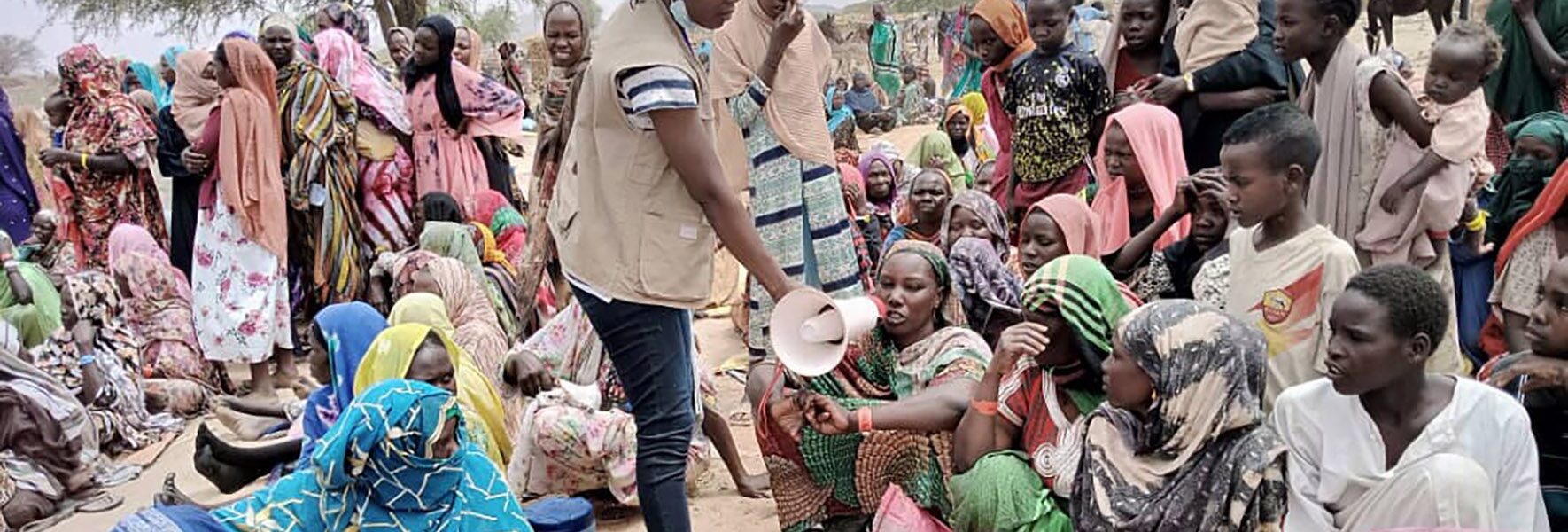
Sahel and West African countries have been urged to take decisive, coordinated action rooted in the rule of law to eliminate ISIL-affiliated terrorist groups operating within their borders, as the threat posed by the extremist organization continues to intensify across regions.

The call was made during presentations at the United Nations Security Council, where senior UN officials warned that ISIL, also known as Da’esh, remains adaptive and resilient despite sustained counter-terrorism pressure.
Presenting the latest report of the UN Office of Counter-Terrorism (UNOCT), Acting Under-Secretary-General Alexandre Zouev said the threat from ISIL has “increased steadily” since the previous report issued in August, remaining “multipolar and increasingly complex.”
He said the situation in the Sahel, West Africa, and the Lake Chad Basin remains especially urgent, noting that ISIL affiliates in the region have expanded their influence, deepened instability, and weakened the capacity of national authorities to respond to interconnected security, human rights, and development challenges.
ISIL and its affiliates, Mr. Zouev said, continue to recruit foreign fighters, exploit emerging technologies, and maintain access to funding through methods such as unlawful taxation and kidnapping for ransom. The group has also demonstrated an increased ability to control territory in parts of Africa.
“Their efforts are deepening regional instability and further undermining national responses,” he warned.
Beyond Africa, ISIL remains active in Iraq and Syria, carrying out attacks and attempting to destabilise local authorities. In Syria, where political transition has been underway since the overthrow of the Assad regime in December 2024, security conditions remain fragile as Da’esh exploits governance vacuums and fuels sectarian tensions.
Mr. Zouev also highlighted the humanitarian crisis in northeastern Syria, where tens of thousands of people with alleged ties to ISIL, mostly women and children, remain in camps under dire conditions. The recent withdrawal of the Kurdish-led Syrian Democratic Forces from the Al-Hol camp has created additional security and humanitarian challenges.
Meanwhile, ISIL-Khorasan in Afghanistan continues to pose a serious regional and global threat. The group was responsible for a deadly attack in Kabul on 19 January that killed seven people and injured several others, including a child.
Mr. Zouev noted that as counter-terrorism financing measures improve, ISIL and similar groups are increasingly turning to digital platforms and emerging technologies, including cryptocurrencies, drones, and artificial intelligence.
“Artificial intelligence is being used for radicalisation and recruitment, with youth and children deliberately targeted,” he said.
He stressed that lasting progress against terrorism requires nationally owned, inclusive approaches grounded in the rule of law and full respect for international human rights standards. He urged countries to accelerate the repatriation of individuals from camps and detention facilities in northeastern Syria and to strengthen unified regional responses, particularly in Africa.
“The intensification of the threat posed by Da’esh and its affiliates underscores the imperative of sustained global cooperation,” Mr. Zouev said.
Also briefing the Council, Executive Director of the Counter-Terrorism Committee Executive Directorate (CTED), Nathalia Gherman, said ISIL continues to perpetrate and inspire terrorist attacks globally, with devastating effects.
She said CTED has conducted assessment visits to several countries over the past year, working with national authorities to provide tailored recommendations and identify technical assistance needs.
Ms. Gherman highlighted CTED’s support for a regional initiative addressing the use of the internet, social media, and video games by ISIL and Al-Shabaab, involving government officials, civil society, academia, and the private sector across Somalia, Djibouti, Ethiopia, Kenya, and Uganda.
“The efforts of the United Nations to address the Da’esh threat are critical,” she said, adding that success depends on adequate resources and the full cooperation of all Member States.