Skip to content


Sopuruchi Onwuka
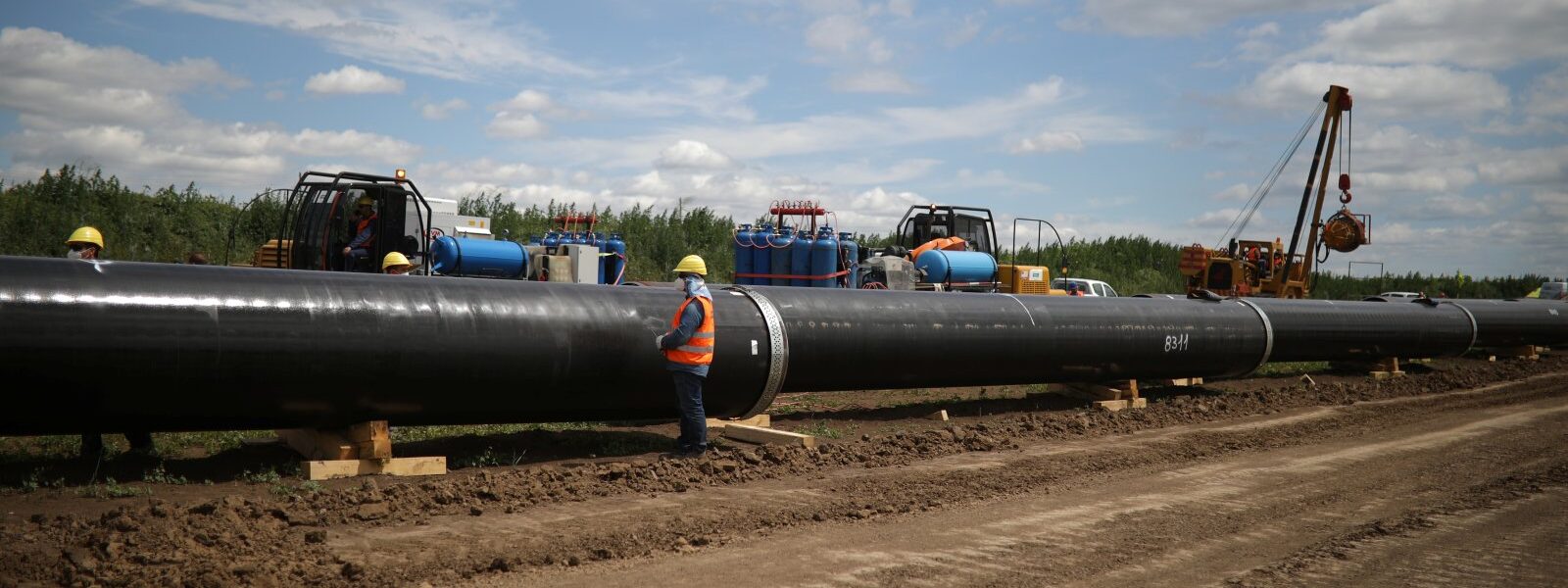
The West Africa Gas Pipeline Company (WAPCO) is set to enter the 2026 business year upbeat following the restoration of its critical gas feed channel, the Escravos-Lagos Pipeline System (ELPS).
Although WAPCO says the recent flow disruption from the ELPS following a rupture incident would not affect export of natural gas to key customers in Benin, Togo and Ghana, restoration of the pipeline removes anxiety over long term impact on gas export from Nigeria.
Oracle Intelligence reports that the Nigerian National Petroleum Company (NNPC) Limited announced the successful restoration of the ELPS in Warri, Delta State, following an unexpected explosion on December 10.
Chief Communications Officer, Andy Odeh, said the pipeline has been fully repaired, pressure-tested, and safely recommissioned.
According to him, the company immediately activated emergency response procedures after the incident, deployed coordinated containment measures, mobilized multidisciplinary teams to repair the damaged section of the line and restore operations.
“Today, the pipeline is fully operational, reaffirming our resilience and commitment to energy security,” Andy Odeh stated.
The ELPS is a critical gas transmission asset that plays a key role in supplying natural gas to major industrial and power facilities, including the operations of West African Portland Cement Company (WAPCO).
The pipeline’s availability is essential to WAPCO’s production processes, as it supports stable energy supply for cement manufacturing and helps sustain industrial output and jobs.
Mr Odeh attributed the swift restoration to the support of host communities, the guidance of regulators, the vigilance of security agencies, and the dedication of its partners and staff. He added that the collaboration turned a challenging situation into a success, with operations restored in record time while maintaining high standards of safety and environmental stewardship.
He restated the commitment of the company to protecting the environment, safeguarding host communities, and maintaining the integrity and reliability of its assets, as it continues to support Nigeria’s energy security and industrial growth.