Skip to content

NNPC secures operating partner for refinery IJV

- Nigeria underway to become Africa’s refining hub
- Private investors building refinery capacity to 3.0 mbd
Sopuruchi Onwuka
Nigeria is underway to realizing the dream of becoming Africa’s refining hub after the national oil company finally secured partnership with a Chinese firm for rehabilitation and reactivation of its cumulative 445,000 barrels per day refinery plants.
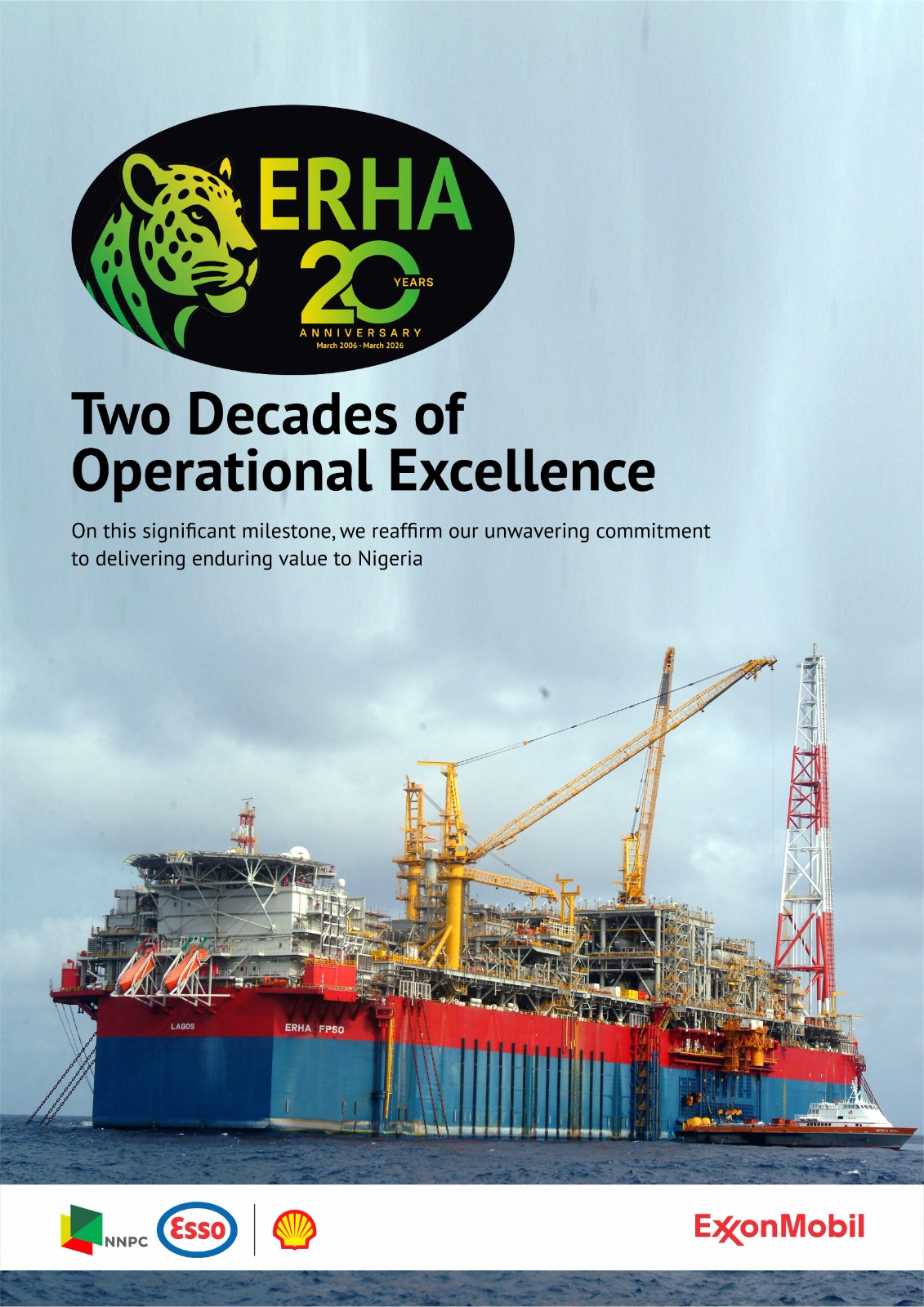
The new deal which was announced at the just concluded Nigerian International Energy Summit (NIES) in Abuja would be one in the series of strategy options after President Bola Tinubu liberalized the domestic fuel market and reconstituted the board and management of the company with eminent industry veterans.
Group Chief Executive Officer of Nigerian National Petroleum Company (NNPC) Limited, Engr Bayo Ojulari, declared in a fireside chat at the NIES that the company is in high level talks with a Chinese firm with extensive large scale refining pedigree to acquire operating stake in the three refineries located in Port Harcourt, Warri and Kaduna respectively.
The incorporated refinery joint venture is coming after multiple attempts to sell off the refineries and repeated torpedoing of the moves by the organized labour.
The refineries have been moribund for over three decades, compelling massive importation of petroleum products at high cost to fuel social and economic activities in the country, putting intense import pressure on the nation’s foreign exchange reserves, draining cash from petroleum export income, and feeding corruption with multiple import scams.
There have also been allegations that political actors in the power hegemony had transformed the petroleum import budgets into slush funds and manipulated national fuel consumption data to align with ever rising import bills during political campaign periods.
Oracle Intelligence reports that petroleum subsidy bills which was responsible for cost under-recovery in the national fuel import schemes jumped from N800 billion in 2014 to whopping N4.0 trillion in 2023.
Multiple moves by government to sell off the refineries since 2007 were wrecked by the organized labour which mounted strong opposition to the deals, insisting that the refineries must be brought back to use as social buffer against dreaded impact of planned deregulation and liberalization of the domestic fuel market.
One of the first moves by the new board and management of NNPC Limited upon reconstitution was to consider outright sale of the refinery which Ojulari described as loss center of the entire NNPC Group.
He noted that the full deregulation of the local fuel market by President Tinubu luckily coincided with the eventual streaming of the 650,000 barrels per day Dangote Refinery which is currently ramping up to nameplate capacity output.
Ojulari told delegates at the 2026 NIES that NNPC entered post-deregulation fuel market without viable operating plan, leading to cost intensive operations that blended inefficient refinery operations with complementary import programs.
The company’s refineries, he said, were running without clear commercial plan and with no sign of operations profitability for the next 30 years.
He explained that the national oil company saddled with internal energy security faced its task by running processes that not just incurred huge losses in its refinery operations but also wasted valuable crude oil commodity by producing only middle distillates without any plan of value optimization.
He noted that NNPC currently does not have the requisite technical skill sets and experience for refinery operations. He pointed, pointing out that it would be difficult for the national oil company to continue running the refinery in its current form.
To curb losses and halt wasting of crude oil, Ojulari said, the NNPC had to shut down the refineries for a comprehensive operations audit the outcome of which, according to him, highly recommended reinvention of strategy.
To stop losses and end wasting of crude oil, Ojulari said, the NNPC had to shut down the refineries for a comprehensive operations audit the outcome of which, according to him, highly recommended reinvention of strategy.
Borrowing from its highly successful incorporated joint venture model that propels its gas liquefaction and export business with Shell, TotalEnergies and Eni in the Nigeria LNG (NLNG) Limited, Ojulari stated that the NNPC has after sifting through partnership propositions settled for a partnership deal with a company of Chinese origin.
Under the new deal, Ojulari said the Chinese company would hold significant operating stake in the refineries to guarantee venture success.
Oracle Intelligence reports that neither Ojulari nor his close associates disclosed the names of the new operating partners, their proposed stockholding, value or the full tenure of the entire deal. He did not also detail whether the deal would involve farm-in earnings for the government.
However, what is clear is that the partnership plan and anticipated capacity recovery at the three refineries would launch Nigeria’s refining capacity to nearly 2.0 million barrels per day (mbd) in the short term, 3.0 mbd in the medium term and continuously expanding capacity in the long term. Dangote had earlier declared intention to add significant 750,000 barrels per capacity to bring his refinery’s total capacity to 1.4 million barrels per day.
Besides Dangote and NNPC Limited’s refineries, there are other medium and small-scale capacity refineries currently under project stages, including the 200,000 barrels per day BUA, the OPAC refinery, the Ibigwe refinery, the Ogbele refinery and HSI’s multiple modular refinery program. However, what is clear is that the partnership deal
When new refinery projects come online to complement existing and revamped processing plants, Nigeria is projected to build refinery stream capacity that would far overshoot projected domestic demand, diversify local fuel sources, defuse the prevailing supply feud in the domestic market and totally relieve the country of overall import pressure.
Group Chief Executive Officer of HSI Energies, Engr Chile Nwosu, declared at the NIES that robust local refining capacity would go beyond domestic fuel supply and fiscal sustainability to yield more economic benefits that include job creation, ancillary industries, non-fuel products like fertilizers and petrochemicals, investment capital importation and inflation control.