 Skip to content

- Homepage
- International News
- Canadian actress demands right to assisted suicide
Canadian actress demands right to assisted suicide
 Sopuruchi Onwuka Posted on
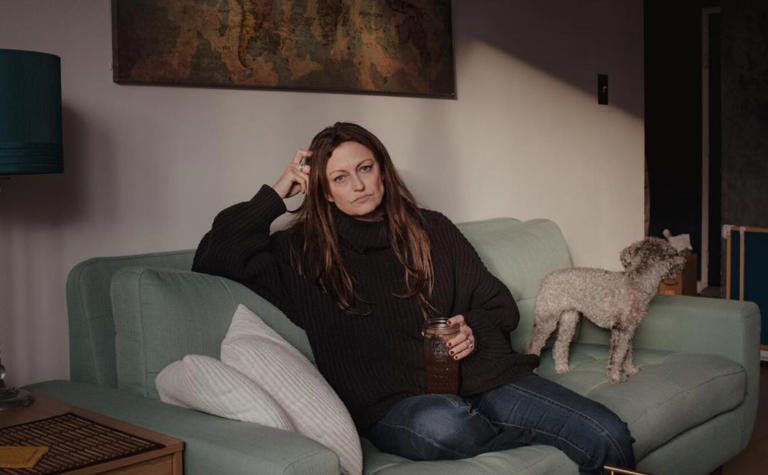
 Canadian actress Claire Brosseau has publicly stated that she wants the right to medically assisted death, citing decades of severe and treatment-resistant mental illness.
Local media reports say the 48-year-old has lived with serious mental health challenges for most of her life and believes assisted suicide is the only way to end what she describes as unbearable suffering. Assisted suicide involves a physician prescribing medication that a patient takes themselves, which differs from euthanasia, where a doctor directly administers drugs to cause death.

Brosseau was diagnosed with bipolar disorder at the age of 14 while living in Montreal. At the time, she was a high-achieving student but also engaged in risky behaviour involving alcohol, drugs, and unstable relationships. After her parents sought psychiatric help, her diagnosis marked the beginning of a long struggle with mental illness.
Over the years, she has also been diagnosed with eating disorders, anxiety disorders, personality disorders, substance abuse disorders, and chronic suicidal tendencies. She has said she tried at least 25 medications, 24 different forms of counselling, behavioural and art therapy, dozens of electroconvulsive therapy sessions, and hallucinogen treatments, without lasting improvement.
Despite these challenges, Brosseau built a successful acting career. She performed leading roles in school theatre, gained admission into a prestigious programme, studied theatre in New York, and later appeared in more than 20 productions. Her credits include the television series 11.22.63 and the film Happily Ever After, as well as projects involving actors such as James Franco and Danielle Stern. However, periods of professional success were often interrupted by severe mental health episodes that forced her to step away from work.
She recalled one major film role in Europe as a turning point, saying that although the project was successful and enjoyable, she would return to her hotel each night overwhelmed by despair and suicidal thoughts, only to function normally again on set the next day.
When Canada expanded its medically assisted death law, Brosseau said she initially felt relieved. The country first allowed assisted suicide only for people whose natural death was reasonably foreseeable. Following a legal challenge, the law was amended in 2021 to include people with incurable conditions who were not near death.
However, the government excluded cases where mental illness is the sole underlying condition, delaying eligibility to allow time to develop safeguards. That delay was later extended until 2027, preventing people like Brosseau from applying.
In response, Brosseau and John Scully, a former war correspondent living with post-traumatic stress disorder, filed a lawsuit against the Canadian government. They argue that excluding people with severe mental illness from accessing assisted death is discriminatory and violates their right to equal treatment under the law.
Brosseau has said she does not intend to change her decision. She has expressed a wish for her parents, sister, dog, and two primary doctors to be nearby when she dies, though not present at the moment itself. She has said her suffering has gone on long enough and that she wants the right to choose how and when her life ends.
Her case has intensified debate in Canada over assisted suicide, mental illness, and the limits of medical autonomy.


