Skip to content

Africa Climate Summit unveils renewable powerhouse

Sopuruchi Onwuka, with agency reports
Delegates at the first African Climate Change Summit in Nairobi, Kenya, have been told to stop bickering over the cause and cost of climate change impact on the continent and concentrate on capturing the new ecnomic opportunities in the prevailing global climate movement and energy transition.
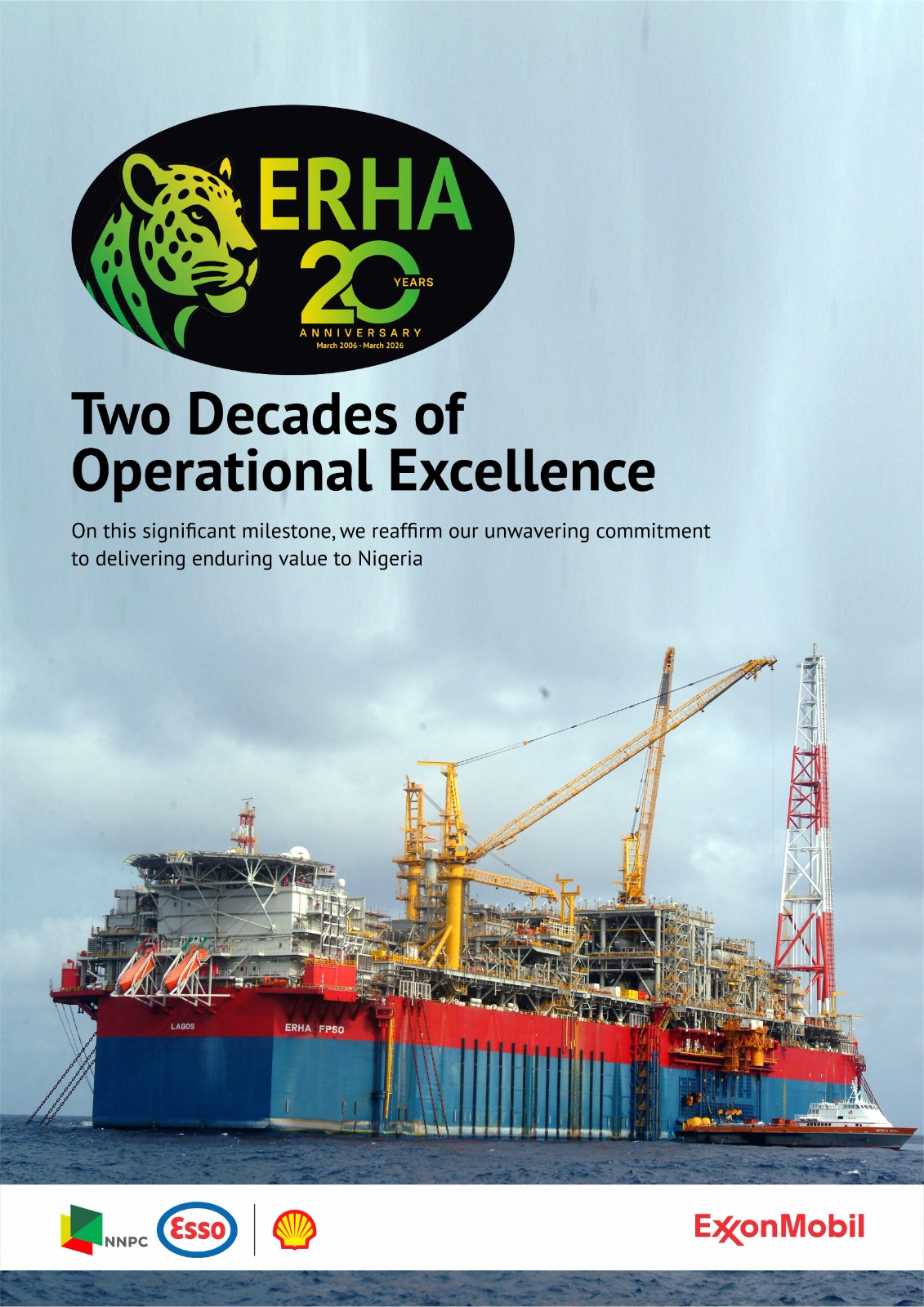
The delegates who represent government and non-governmental organizations around the world heard that the continent still remains a powerhouse in the unfolding energy transition, with several solid minerals deposits that still positions the black continent as global new energy factor.
Kenya’s president, William Ruto, who opened the three-day event on Monday in his country’s capital Nairobi, asked delegates to identify opportunities that may arise from solving environmental problems rather than focusing on grievances against industrialized nations that are responsible for the world’s highest carbon emissions.

Africa’s first climate summit came as the world’s global environmental ambitions are powerfully driven by industrialized counties to transit energy choices from fossil fuels to other options that have low and possibly zero carbon emissions.
The Oracle Today reports that a sea-wave of investments are currently supported by economic and environmental policies to develop alternative energy that would sustainably drive social and industrial activities without putting the planet at risk.
The huge investments are channeled into innovation and development of mainly wind power, solar power, hydrogen cells, batteries and automobiles that run without emitting exhaust fumes.
The African Climate Summit delegates heard that the key mineral resources for development of all the key components of new greener energy are abundant in Africa and also present huge opportunities for the continent to continue holding its position as the global energy reservoir.
Presenters and speakers showed that the continent has adequate renewable energy sources, including solar, wind, geothermal, and hydropower, necessary to transform the continent into a green industrial hub and power our energy needs.
Africa, it was stated, also holds large reserves of minerals such as cobalt, copper, lithium, nickel, and manganese required for electric vehicle manufacturing and the reduction of carbon emissions in the mobility sector.
President William Ruto said the summit’s underlying ambition is to shift the climate conversation from a “polluters versus victim” discourse to finding opportunities to overhaul the continent’s economies while tackling climate change.
While admitting that Africa’s carbon footprint “remains small but the human toll of climate change is disproportionately high,” Riuto maintained that focusing on climate action would propel Africa to middle-income status.
The Commissioner for Rural Economy and Agriculture at the African Union Commission, said: “Our responsibility in carbon emission as a continent is about 4%, but we are fully committed to the climate change agenda.”
She added that decarbonization efforts are intertwined with the growth of the economy, as “some African governments are using at least 2% of their budgets” for climate-related disaster adaptation programs, even as the extreme weather events intensify in their compounded effects.”
The Africa Youth Climate Assembly, led by Kenyan activist Elizabeth Wathuti, called on the leaders to create an inter-generational green investment fund to generate green jobs for African youth.
Sacko said some African member states spend around 50% of their gross domestic product (GDP) on responding to climate-induced disasters. She urged developed countries to honor their pledge made at COP15 of the United Nations Framework Convention on Climate Change (UNFCC) in Copenhagen to raise $100 billion annually by 2020 for climate action in developing countries. The goal was emphasized at COP21 in Paris and extended to 2025. “Up to now, we haven’t seen anything…please, partners come and honor your pledge,” Sacko said.
Africa is clearly a resource rich continent that will accelerate decarbonization efforts. But to make progress, African leaders must bring the world leaders from advanced economies (that are easily the highest emitters of carbon) to the table from the outset to ensure the implementation of positive resolutions.
The current discussion underway will lead up to the Nairobi Declaration by the end of the summit but the step will only make a difference if other parties agree to make progress together, in word and deed.