Skip to content


OPEC+ to maintain current oil supply volumes into Q1, 2026

OPEC and its non-member partners agreed over the weekend to maintain current oil supply volumes through the first quarter of 2026, confirming a pause on production hikes as the global market moves toward a major surplus.
The group signaled that stability now outweighs any push to reclaim market share. Forecasts point to a sharp swing toward oversupply next year, with Rystad Energy projecting a liquids surplus of 3.75 million barrels per day in 2026, one of the largest expected gluts in recent years. Against that backdrop, any additional barrels from OPEC+ risk accelerating the price slide already showing up in forward markets.
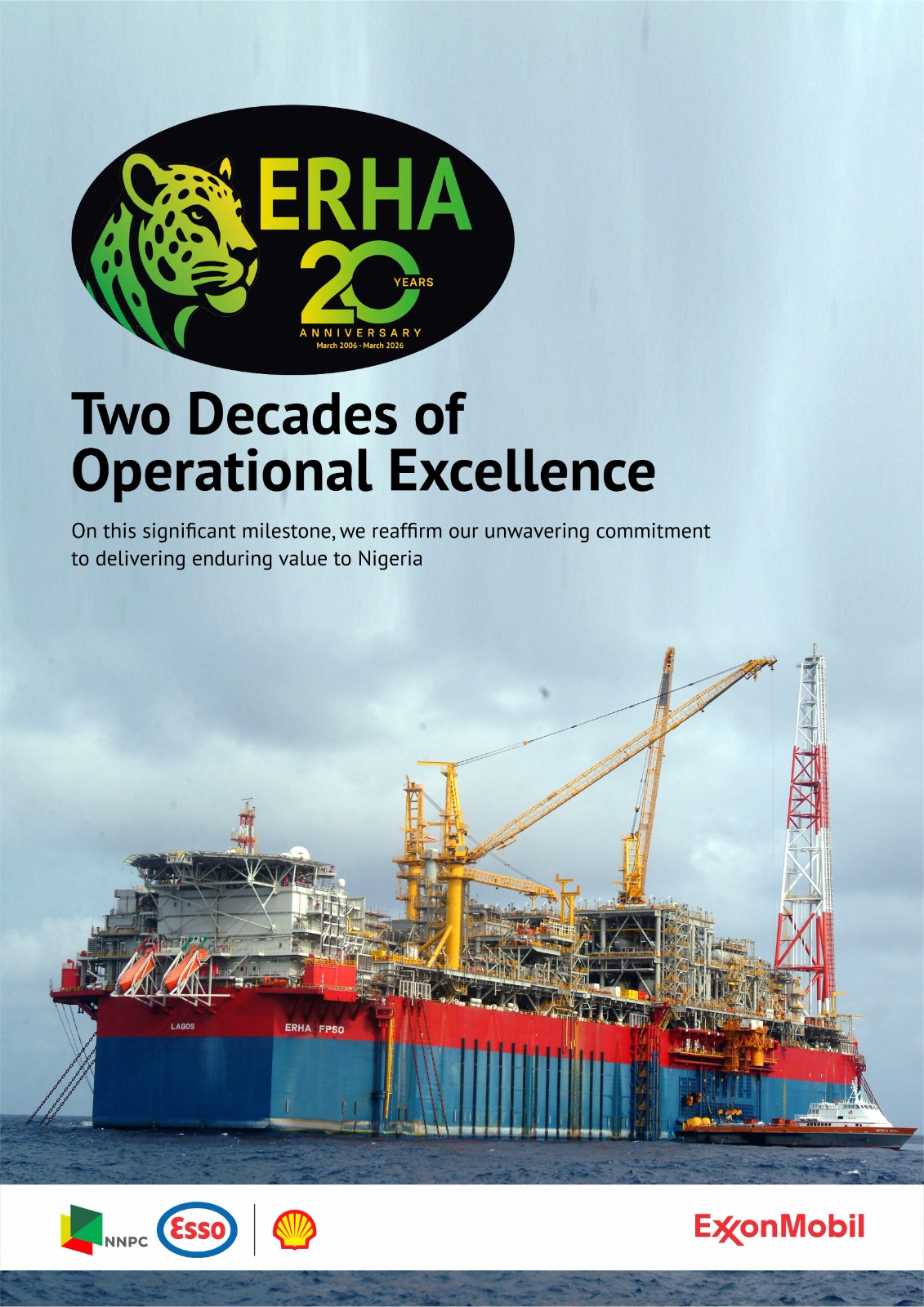
For many producers that rely on oil revenues to balance national budgets, holding back supply has shifted from strategy to necessity.
Beyond market fundamentals, the decision reflects rising geopolitical uncertainty. Russia and Ukraine are in fragile peace talks that could reshape trade flows, while tensions between the United States and Venezuela have escalated, adding pressure on one of the group’s most politically sensitive members.
With overlapping risks and little predictability, OPEC+ chose not to introduce any move that could amplify volatility. The message from the alliance: do nothing that could rock an already unstable market. Preserving flexibility allows the group to respond quickly if conditions worsen or if geopolitical shocks unexpectedly tighten supply.
One of the more telling outcomes of the meeting was what did not happen. Members postponed the contentious discussion over revising individual production quotas. The talks were expected to settle production capacity figures ahead of a broader reassessment originally slated for 2027, but internal disagreements stalled progress.
Instead, the group agreed only to set up a mechanism to reassess capacities next year, a move that underscores lingering tensions. Quota battles have long split the alliance. Angola quit OPEC in 2023 after disputing its allocation, while Ecuador did the same in 2019. The latest delay suggests OPEC+ is wary of reopening old wounds in a period where cohesion is already strained.
With a sizeable surplus building and geopolitical risks stacking up, OPEC+ is navigating one of its most delicate periods in years. The alliance must balance its need to protect prices with the political realities inside the group and the shifting dynamics outside it.
The decision to hold output steady reflects a strategy built on caution. It keeps options open, avoids sending the wrong signal to a jittery market, and highlights the fragile balance the coalition is trying to preserve as it heads into a year of potential oversupply and unpredictable geopolitical shocks.