Skip to content

Airlines to engage govt on Wednesday to decide possible shutdown
 Sopuruchi Onwuka Posted on
 Frank Okon
Nigeria’s aviation sector has stepped back from the brink of disruption, but only temporarily. A threatened shutdown by domestic airlines has been put on hold pending high-level talks in Abuja on April 22. The outcome of that meeting is likely to determine whether the industry stabilizes or slips into a deeper crisis.

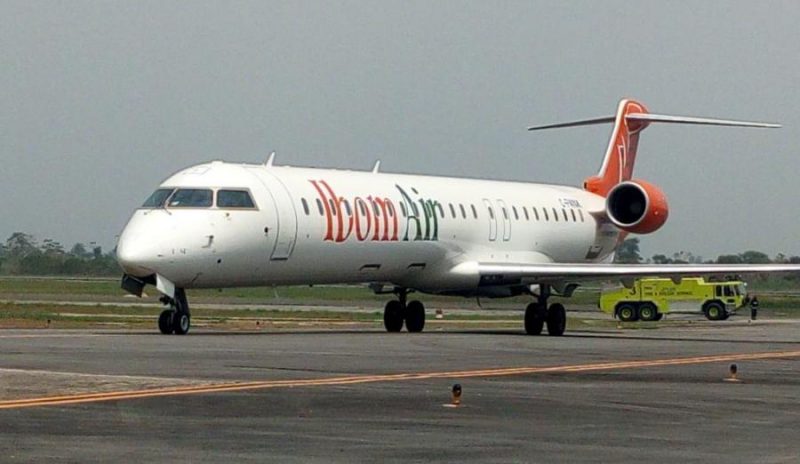
The standoff began when about a dozen carriers, operating under the Airline Operators of Nigeria (AON), warned they would suspend flights from April 20. Their argument was straightforward: the cost of aviation fuel has risen to levels that make continued operations commercially unviable.
That warning prompted a swift response from the federal government. Minister of Aviation and Aerospace Development Festus Keyamo appealed for restraint, acknowledging the financial pressure on airlines while urging dialogue over disruption. Following an emergency meeting on April 19, operators agreed to delay the shutdown, but only on the condition that the April 22 talks produce concrete relief measures.
At the center of the dispute is jet fuel pricing. In a matter of months, the price per liter has surged from roughly 900 naira to about 3,300 naira, an increase of nearly 300%. For an industry where fuel already accounts for more than a third of operating costs, such a spike is not just painful, it is destabilizing.
The Nigerian situation reflects a wider global trend, but with sharper local consequences. Internationally, aviation fuel prices have climbed by around 30%, driven in part by disruptions in energy markets linked to geopolitical tensions involving Iran. A critical factor is the strategic importance of the Strait of Hormuz, through which a significant share of global fuel supply passes. Any instability in that corridor quickly feeds into global price volatility.
However, structural constraints mean African airlines feel the impact more intensely. Aviation fuel on the continent is typically priced at a premium, often at least 17% above global averages. In addition, fuel accounts for between 30% and 40% of total operating costs for African carriers, compared with roughly 20% to 25% elsewhere. This narrower margin for adjustment leaves airlines highly exposed to even moderate price increases.
For Nigerian carriers, the pressure goes beyond fuel. Operators point to tightening liquidity conditions, worsened by suppliers and service providers increasingly demanding advance payments. That shift has amplified cash flow challenges in a sector already operating on thin margins.
The potential consequences of a shutdown are significant. Air travel remains a critical part of domestic mobility in Nigeria, where road networks face congestion and security concerns, and rail infrastructure is still developing. In 2025 alone, the country recorded more than 10.5 million domestic air passengers, underscoring the sector’s importance to business activity and regional connectivity.
While airlines have held back from immediate action, their position remains firm. The suspension of the strike is conditional, and expectations for the Abuja meeting are high. Operators are seeking measures to stabilize fuel costs, ease financial pressures, and ensure uninterrupted access to essential airport and support services.
The dispute also highlights a broader vulnerability within African aviation. Heavy reliance on imported fuel, exposure to global energy shocks, and structural inefficiencies combine to create a fragile operating environment. In response, some airlines across the continent have already begun passing rising costs on to passengers through fuel surcharges, a move that carries political and social sensitivity in price-conscious markets.
What happens next in Abuja will therefore carry weight beyond Nigeria. If the talks yield practical solutions, they could provide a template for managing similar pressures across the region. If they fail, the risk is not just operational disruption, but a deeper erosion of connectivity in one of Africa’s largest aviation markets.
For now, the industry is in a holding pattern, waiting to see whether negotiation can succeed where market forces have pushed it to the edge.

You Might Also Like