Skip to content


NLNG Train 7 deepens Nigeria’s industrial capacity, expands local technical expertise

Ziggy Ojiegbe
The ongoing Train 7 expansion project of Nigeria LNG Limited is emerging as one of Nigeria’s most significant industrial capacity-building platforms, helping to deepen local technical expertise, expand domestic manufacturing capability and raise quality standards across the country’s oil and gas value chain.
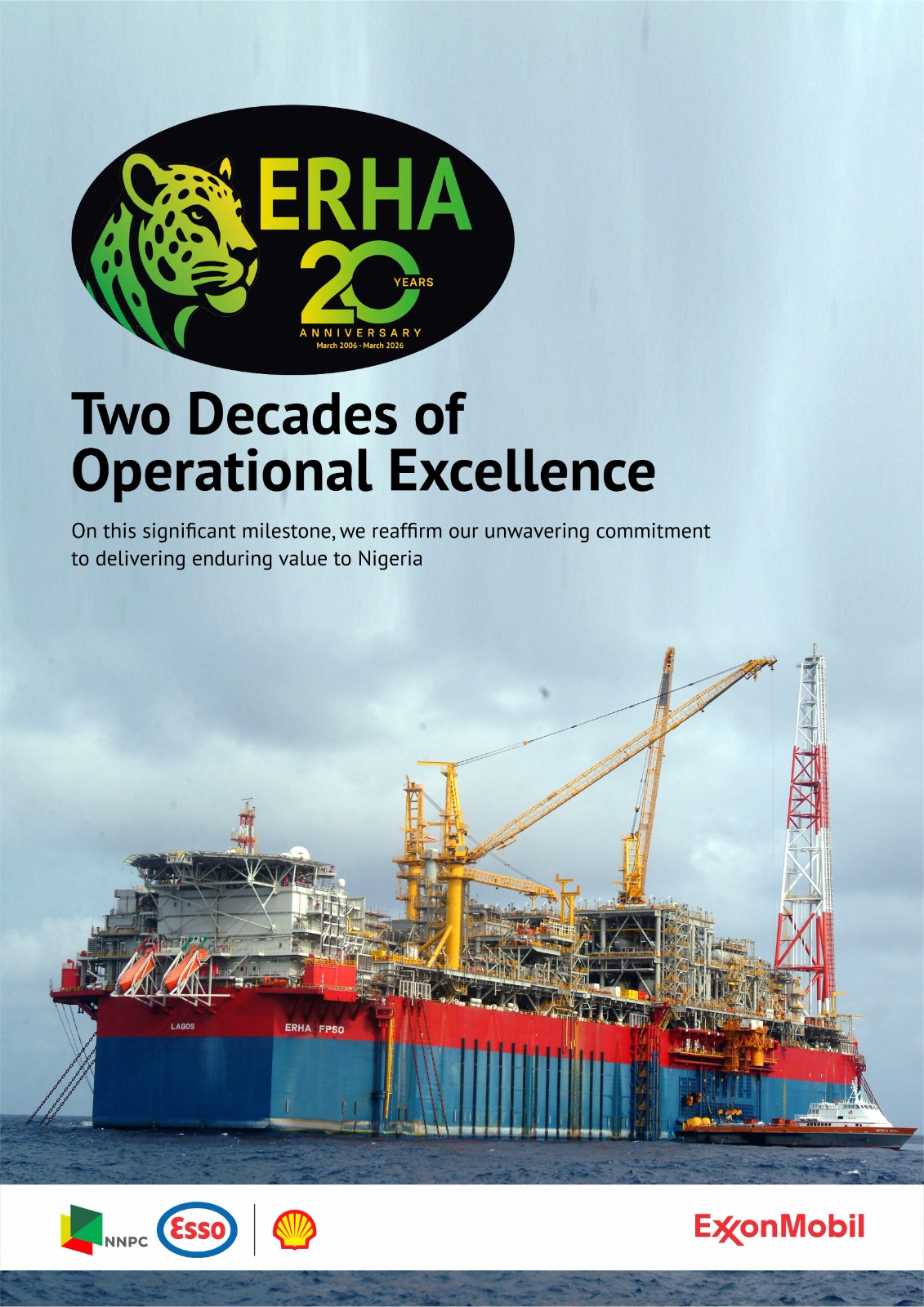
Officials of the company said the project has moved beyond its traditional role as a liquefied natural gas expansion programme to become a practical demonstration of how deliberate local content implementation can stimulate industrial growth, strengthen indigenous participation and create long-term economic value for Nigeria.
Speaking at a midstream and downstream industry forum in Lagos, Train 7 Project Manager, Ali Uwais, who represented NLNG’s Managing Director, Adeleye Falade, described the project as “a practical model for intentional localization of expertise.”
According to him, the project was designed not only to expand Nigeria’s LNG production capacity, but also to deliberately use the development process to strengthen the country’s industrial and technical foundations.
He noted that the project has already recorded more than 120 million man-hours while achieving about 92 percent Nigerian Content participation, reflecting what he described as NLNG’s strategic commitment to broadening local participation and strengthening domestic capability across the project’s execution chain.
Uwais explained that the company adopted a structured and data-driven approach to local content implementation by carefully assessing areas where Nigerian firms possessed the potential to meet international standards if provided with targeted technical and operational support.
Drawing lessons from earlier LNG train projects, he said the Train 7 management team identified specific opportunities where local firms could successfully participate in fabrication, manufacturing and engineering activities traditionally handled abroad.
As a result, several critical industrial components for the project were produced within Nigeria. These included pressure vessels, structural steel components, valves, fabrication blocks, pipes, lighting systems, cables and industrial painting materials.
Industry observers say the development marks a significant shift in Nigeria’s oil and gas sector, where major industrial equipment and fabrication works were historically imported due to limited local technical capacity and weak manufacturing infrastructure.
Rather than depending solely on standard quality-control procedures, Uwais said NLNG deliberately worked with selected Nigerian manufacturers considered to possess strong growth potential, providing technical guidance and support aimed at helping them attain internationally acceptable quality assurance standards.
The initiative also extended into technology transfer and product innovation. Uwais recalled that NLNG partnered with foreign technical firms to support Nigerian manufacturers in transitioning from asbestos-based gasket production to safer carbon-graphite alternatives used in industrial operations.
The collaboration involved equipment support, technical training and international product certification processes intended to help local firms compete more effectively within global industrial supply chains.
According to him, the interventions reflect NLNG’s broader philosophy that Nigerian Content should not be treated merely as a regulatory obligation, but as a long-term industrial development strategy capable of creating sustainable national value beyond the lifespan of individual projects.
He added that the Train 7 project has also helped stimulate wider collaboration between industry and academia, with Nigerian universities and research institutions increasingly contributing through research, technical development and innovation support.
Analysts at the summit noted that the project demonstrates how large-scale energy investments can become catalysts for broader industrial transformation when linked to deliberate local capability development policies.
Train 7 remains one of Nigeria’s largest ongoing energy infrastructure investments. Upon completion, the project is expected to increase NLNG’s production capacity from 22 million tonnes per annum to 30 million tonnes annually, representing a 35 percent increase in the country’s LNG export capacity.
Beyond the anticipated rise in production output, stakeholders at the forum argued that the project’s most enduring impact may lie in the industrial capabilities, technical competence and manufacturing capacity being developed within Nigeria’s economy.
Participants at the summit emphasized the need to sustain the momentum created by the project through continuous investments in skills development, industrial infrastructure, technology transfer and local manufacturing support to ensure that gains achieved under Train 7 evolve into long-term national industrial assets.