Skip to content


Major consumer of Nigerian gas in Europe, Portugal, is indicating panic over possibility of supply shortfall from the Nigerian Liquefied Natural Gas (NLNG) Limited following rising demand pressure from other parts of the continent where supply sentiments are equally high.
The fear of supply contract breach resonated weekend following cancellation of supply agreed volumes to India by a German unit of Russian Gazprom, forcing the Asian country into spot market where it braved record prices to land alternative supplies.
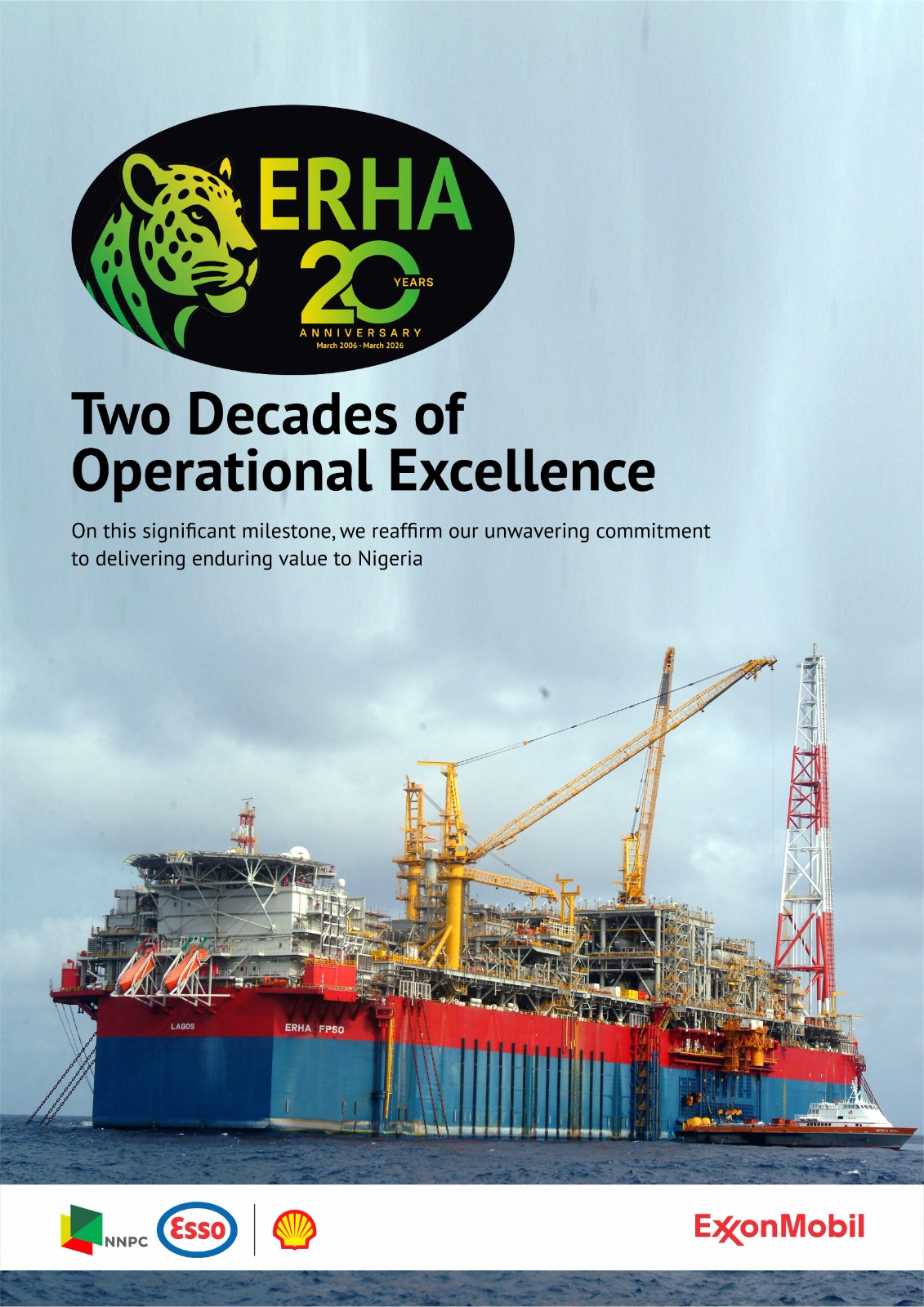
The European Union country’s environment and energy minister said on Monday that Portugal could face supply problems this winter if Nigeria does not deliver all the liquefied natural gas (LNG) as scheduled.
Asked whether with many countries now looking for alternatives to Russian gas there was a chance that Nigeria might not meet its LNG supply volumes, Duarte Cordeiro said that while the government had given Lisbon assurances that it would do so, “there is a risk of it not complying”.
“From one day to another, we may have a problem, such as not being supplied the volume of gas that is planned,” Cordeiro told a conference in Lisbon hosted by CNN Portugal.
Cordeiro did not say what would prevent Nigeria supplying the LNG it was contracted to.
Oil and gas output in Nigeria has been throttled by theft and vandalism of pipelines, leaving gas producer Nigeria LNG Ltd’s terminal at Bonny Island operating at 60% capacity.
Nigeria LNG, which is owned by state-oil company NNPC Ltd, Shell, TotalEnergies and Eni, did not immediately respond to a request for comment.
Although Portugal has its gas reserves at 100% of storage capacity, Cordeiro said that if fewer Nigerian LNG deliveries materialised, it would have to look for alternative supplies.
With other European countries doing the same, this would likely lead to higher imported gas prices, he said.
Portugal last year imported 2.8 billion cubic meters of LNG from Nigeria, or 49.5% of total imports, while the United States was the second-largest supplier with a share of 33.3%.
Its other suppliers include Trinidad and Tobago, Algeria, Qatar and Russia, the latter accounting for just 2% last year.
Portugal is “diversifying its suppliers to increase the country’s energy security”, Cordeiro said, adding that it is adopting strategies to lower gas consumption, while boosting its already high production of electricity through renewables.
“Portugal has been preparing, like all of Europe, for what will be a difficult winter,” he said, urging the European Commission to move forward with the implementation of a joint gas purchasing platform and defining import prices.
In a circumstance similar to what is feared by the Portuguese, India just purchased its most expensive LNG cargo in history as it scrambles to replace canceled Russian gas deliveries
India is scrambling to replace canceled Russian gas deliveries, driving GAIL India to pay $40 per million BTUs for LNG.
That’s the most expensive LNG cargo to ship to India in history, according to a report by Bloomberg.
It’s also a sign India is struggling to fill the hole in Russian supplies after a Gazprom branch was seized by Germany.
India is scrambling to replace canceled Russian gas deliveries, causing one gas company to pay for the nation’s most expensive liquefied natural gas cargo in history.
GAIL India, the largest gas distributor in the country, purchased three LNG cargoes last week for over $40 per million British thermal units, traders familiar with the matter told Bloomberg on Monday. Those are record prices for any LNG cargo to be delivered to India, more than doubling the prices paid last year.
It’s also a sign the country is struggling to fill the hole in Russian supplies, as competition with energy-strapped Europe has driven natural gas prices to sky-high levels.
India has become one of Russia’s largest fuel customers since the invasion of Ukraine, but some of those flows have been interrupted as the result of Germany seizing a local branch of Russia’s Gazprom, using that plant to direct supplies to Europe instead ahead of winter.
The plant, which was renamed as Securing Energy for Europe, told GAIL that it no longer had supplies for India, and is currently paying a small fine for not delivering promised LNG shipments in October.
GAIL attempted negotiation with the plant last month, according to GAIL chairman Manoh Jain, but no new deal has been announced yet.
Jain claimed last month that failed deliveries from the plant only affected 10%-15% of India’s gas supplies and were not significant, Reuters reported, although he noted that the company was concerned about securing gas supplies in the long-term.