Skip to content

UN demands ceasefire sanctity amid Hormuz tensions

Ziggy Ojiegbe
UN Secretary-General António Guterres has called on the United States and Iran to continue negotiations to end their weeks-long conflict, warning that there is no military solution as tensions persist around the Strait of Hormuz.

Speaking through his spokesman Stéphane Dujarric, Guterres said recent talks hosted in Islamabad, though inconclusive, represented a meaningful step toward renewed dialogue.
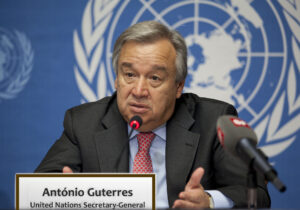 UN Secretary-General António Guterres
“Given the deeply rooted differences, an agreement cannot be reached overnight,” the UN said, urging both sides to continue engaging constructively while ensuring that the fragile ceasefire holds. “All violations must cease,” the statement added.
The Secretary-General also expressed appreciation to mediators including Saudi Arabia, Egypt and Türkiye, and called on the broader international community to support diplomatic efforts to de-escalate the crisis.
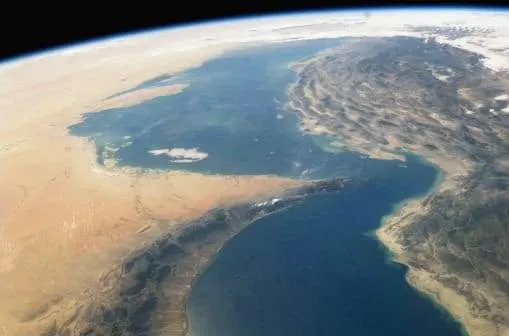
Guterres stressed the importance of maintaining freedom of navigation in the Strait of Hormuz, a critical global shipping route linking the Persian Gulf to the Gulf of Oman. The warning comes as the United States moves to enforce a blockade targeting vessels entering or leaving Iranian ports, a step that has heightened uncertainty in the region.
The UN said the disruption has already stranded around 20,000 seafarers aboard vessels in the Gulf, many of whom are facing worsening conditions as supplies dwindle and security risks increase.
Arsenio Dominguez, head of the International Maritime Organization, highlighted the growing humanitarian concerns, noting that crews have been unable to safely navigate or disembark for weeks.
“There is always the concern that supplies may start running low,” he said, adding that the constant threat of attacks puts seafarers’ lives at risk.
The Strait of Hormuz is one of the world’s most vital energy corridors, with the Food and Agriculture Organization estimating that about 35 percent of global crude oil, 20 percent of liquefied natural gas, and up to 30 percent of fertilizer trade pass through the route daily.
UN officials warn that disruptions are already reverberating across global markets, contributing to economic instability and increasing risks to food security. Reduced flows of fertilizers and energy inputs could further strain agricultural production and raise living costs, particularly in vulnerable regions.
Amid the escalating situation, the UN said it is advancing work on a dedicated task force focused on the Strait of Hormuz to help manage risks and support coordination among stakeholders.
Meanwhile, Jean Arnault continues diplomatic outreach in the region, engaging key parties in an effort to secure a comprehensive and lasting agreement.
The UN’s message remains clear: while tensions remain high and risks are growing, sustained dialogue and adherence to international law are essential to preventing a broader regional and global crisis