 Skip to content

Over 40 nations move to resolve Hormuz crisis as Trump hammers Iran

Sopuruchi Onwuka, with agency reports
A coalition of about 40 countries is exploring ways to restore safe navigation through the Strait of Hormuz, as the ongoing U.S.-Israeli war with Iran continues to disrupt one of the world’s most critical energy routes.

The talks, chaired by Britain, bring together nations heavily dependent on Gulf oil flows and reflect growing concern over the prolonged closure of the waterway, which carries roughly one-fifth of global crude supplies.
Participants are considering a range of measures, including coordinated diplomatic pressure, enhanced maritime security arrangements and potential multinational monitoring efforts to reassure commercial shippers. However, officials said no concrete agreement has yet been reached, underscoring the complexity of reopening the route amid active conflict.
The push comes as Iran maintains tight control over access to the strait, allowing only limited passage for selected vessels while continuing broader restrictions in response to sustained military strikes.
The conflict began with a joint U.S.-Israeli campaign targeting Iran’s military and nuclear infrastructure, with both countries stating their objective is to weaken Tehran’s capabilities and dismantle its nuclear weapons program. Since then, strikes have expanded and tensions have spread across the Gulf region, with Iran and its allies retaliating against energy and security targets.
U.S. President Donald Trump has urged other nations to take a more active role in securing the strait, arguing that countries reliant on its shipments should lead efforts to protect it. At the same time, Washington and Israel have continued aerial assaults on Iranian facilities, including sites linked to energy and transport infrastructure.
Despite military pressure, analysts say reopening the strait by force would be difficult due to Iran’s geographic advantage and its use of mines, drones and coastal missile systems.
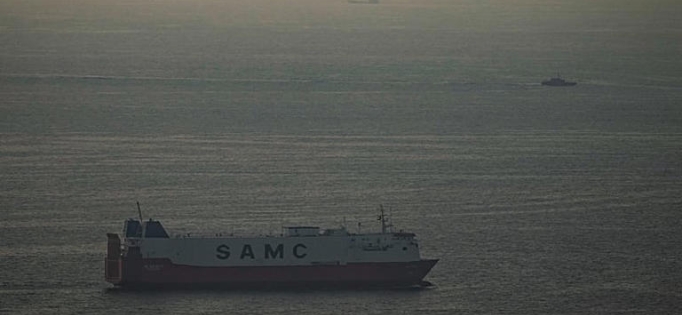
The disruption has already sent oil prices sharply higher and reduced shipping traffic by as much as 90 percent, with many vessels avoiding the area to avert security risks.
While a small number of ships have recently managed to transit the strait, broader commercial activity remains severely constrained, leaving global markets vulnerable to further shocks as diplomatic efforts continue.


