Skip to content

Qasem Soleimani’s relatives face deportation from US

The arrest and possible deportation of relatives of Qasem Soleimani has opened a new front in the United States’ ongoing effort to scrutinize foreign nationals accused of supporting hostile regimes while living on American soil.
U.S. authorities confirmed that family members linked to the late Iranian commander—who led the elite Quds Force of the Islamic Revolutionary Guard Corps—have been taken into custody and stripped of their permanent residency status. The move underscores a broader policy stance that targets not just direct actors, but also individuals alleged to promote or defend adversarial governments from within the United States.

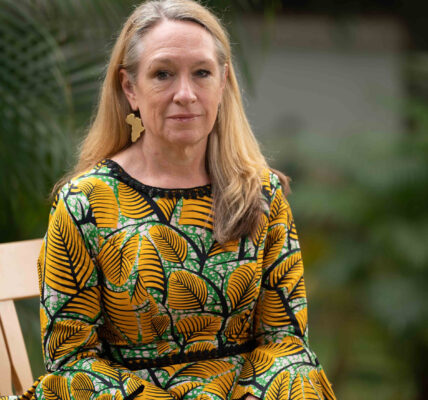
According to officials, Afshar Soleimani relative and her daughter were arrested by U.S. Immigration and Customs Enforcement and are now facing deportation proceedings. The pair had been living in Los Angeles, where Afshar is accused of engaging in activities seen as supportive of the Iranian government.
The U.S. Department of State alleged that while residing in the United States, she publicly endorsed positions aligned with Tehran, including praise for attacks on American military targets in the Middle East and expressions of support for Iran’s leadership. Officials also cited statements condemning the United States in terms commonly associated with Iranian state rhetoric.
Announcing the decision, Secretary of State Marco Rubio said the individuals’ legal status had been revoked, emphasizing that residency in the United States does not extend protection to those perceived as backing governments or groups considered hostile to American interests. The administration, he said, would not allow the country to serve as a safe haven for such activity.
The case extends beyond Soleimani’s immediate family. Authorities also confirmed that relatives of Ali Larijani, a senior Iranian official who previously held key national security roles, have similarly had their residency status revoked. This broader action signals a pattern of enforcement aimed at individuals with ties to influential figures within Iran’s political and security establishment.
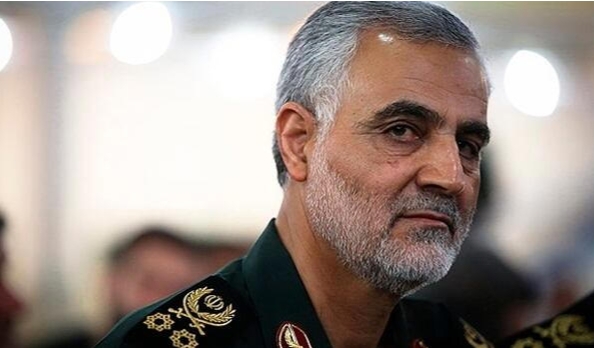
Soleimani himself remains a central figure in U.S.-Iran tensions. He was killed in a U.S. drone strike in Iraq in January 2020, an operation ordered during the administration of Donald Trump that marked a significant escalation between the two countries. The strike drew international attention and continues to shape the geopolitical context in which such enforcement actions are interpreted.
While U.S. officials frame the arrests as a matter of national security and immigration law, the developments are likely to fuel debate over the boundaries between political expression and material support for foreign governments. Critics may question how such determinations are made, while supporters argue that the measures are necessary in an era of increasingly complex global threats.
As deportation proceedings move forward, the case highlights the intersection of immigration policy, national security and foreign relations—areas where decisions often carry implications far beyond the individuals directly involved.