Skip to content

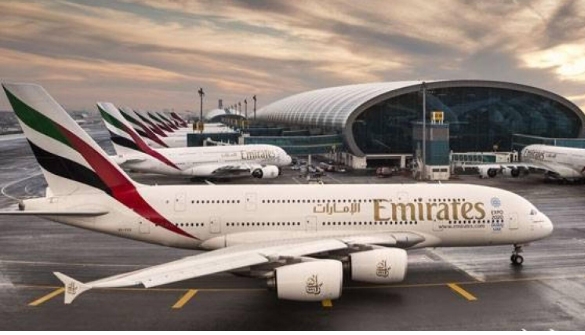
Over 27,000 flights, 4.4m seats cancelled as travelers stranded in Middle East

Frank Okon
More than 27,000 flights to and from the Middle East to international destinations have been cancelled, with an estimated 4.4 million airline seats removed from schedules over the past week as Iranian regime ratchets bombardment of neighboring Arab nations and stall global economy to persuade United States and Israel to stop military campaigns on the country.

Australia’s Foreign Minister, Penny Wong, revealed the figures while addressing concerns about the return of citizens trapped in Middle Eastern nations. She said Australia is working to send a high-tech spy plane and mid-range missiles to the region to help protect around 115,000 Australians still in the area.
The United Nations health agency, World Health Organization (WHO), also reported on Thursday that ongoing airspace restrictions continue to disrupt the movement of medical supplies from its global logistics hub in Dubai, United Arab Emirates.
In response to the worsening threat to Western interests in the region, Wong said Australia has closed its embassies in Abu Dhabi and Tel Aviv, as well as its consulate in Dubai, as reprisal attacks by Iran continue to escalate in scale and intensity.
With limited flight operations from the Middle East, many nations are scrambling chartered planes to quickly evacuate their citizens from the region. Business executives, government officials, and wealthy individuals are also leaving the region using chartered or privately owned jets.
“The dangerous and destabilising attacks by Iran put civilian lives at risk, including Australian lives, and we continue to support Australians affected as limited commercial flights resume and we expand consular efforts,” Wong said.
“We do not want to see a situation where commercial flights – which are operating but obviously on a limited schedule – completely stop.”
Meanwhile, the WHO reported that ongoing airspace restrictions are disrupting the movement of critical medical supplies from its logistics hub in Dubai.
According to the agency, more than 50 emergency supply requests—intended to benefit over 1.5 million people across 25 countries—have been affected, creating significant backlogs.
Priority shipments include medical supplies destined for Al Arish in Egypt to support the humanitarian response in Gaza Strip, as well as deliveries planned for Lebanon and Afghanistan, the WHO said.