Skip to content

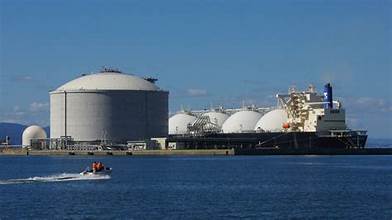
Iran war erases LNG glut fears as market shifts toward deficit

Attacks linked to the ongoing conflict involving Iran and disruptions to oil and gas production across the Middle East have rapidly changed the outlook for the global liquefied natural gas (LNG) market.
Security concerns around shipping through the Strait of Hormuz and damage to key energy facilities have erased earlier expectations of a global LNG oversupply.
Energy analysts now say the market could soon face a supply deficit after attacks targeted major gas infrastructure in the region, particularly high-capacity LNG facilities in Qatar.
Morgan Stanley said over the weekend that the shutdown of production in Qatar, the world’s second-largest LNG exporter, is already wiping out the surplus that analysts had predicted earlier this year.
QatarEnergy last week halted LNG production at its Ras Laffan hub, the world’s largest LNG complex, after a drone attack hit the facility. The shutdown was followed by force majeure notices to buyers as shipping traffic through the Strait of Hormuz was also suspended.
According to Morgan Stanley analysts, if the outage in Qatar lasts longer than a month, the global LNG market could quickly move into deficit.
Before the conflict escalated, Morgan Stanley and other major investment banks had forecast a wave of new LNG supply that would create an oversupplied market beginning this year.
However, the Middle East war is now overturning those forecasts. If Qatar, the world’s second-largest LNG exporter after the United States, cannot restore production within a month, supply shortages may emerge rapidly.
Even if the conflict ended immediately, Qatar would still need weeks or even months to return to its normal production and delivery schedules, Energy Minister Saad Al-Kaabi told the Financial Times in an interview published Friday.
Al-Kaabi also warned that oil prices could surge to as much as $150 per barrel within two to three weeks if the Strait of Hormuz remains closed to tanker traffic.
Oil prices already touched $100 per barrel on Monday, while natural gas prices in both Asia and Europe continued to rise sharply.
After jumping 50 percent last week, Europe’s benchmark natural gas prices climbed another 20 percent at the start of trading in Amsterdam on Monday. The surge comes as Asian buyers attract more flexible LNG cargoes away from Europe, intensifying competition for limited supply.