Skip to content

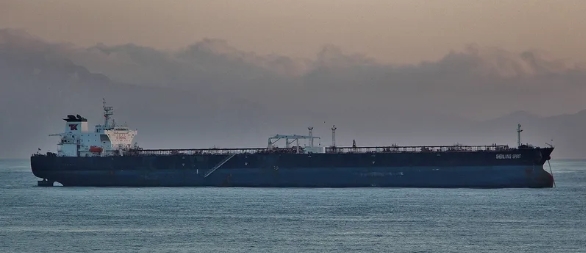
Dynacom tanker slips through Hormuz flashpoint without signal

Ziggy Ojiegbe
A tanker carrying about one million barrels of Saudi crude oil has quietly sailed through the strategically vital Strait of Hormuz, becoming one of the first large vessels to leave the Persian Gulf since maritime traffic through the chokepoint largely halted amid the escalating conflict involving Iran.

Ship-tracking data compiled by Bloomberg shows that the Shenlong, a tanker operated by Greece-based Dynacom Tankers Management Ltd., switched off its tracking transponder in the Persian Gulf on March 4 while sailing toward the strait. The vessel resumed transmitting its signal only on Monday morning near India’s coastline, suggesting it had passed through the contested waterway undetected.
The transit comes despite heightened security risks after Iran threatened attacks on vessels using the route and effectively closed the strait following the outbreak of hostilities with the United States and Israel.
Commercial shipping through the Strait of Hormuz — a narrow corridor that normally carries about 20 percent of global oil supply — has slowed dramatically since the war began.
Iran retaliated against US-Israeli military strikes by targeting vessels operating in the waterway, raising fears across global energy markets and leaving large volumes of crude oil and other commodities stranded.
In response, the United States has pledged to provide naval escorts for commercial ships if necessary and has also offered insurance coverage to support shipping operations through the volatile route.
Chris Wright confirmed that at least one tanker had successfully made the passage, although tracking additional crossings remains difficult because some vessels are switching off their transponders to avoid detection.
Despite Shenlong’s journey, there is little indication that the broader security situation has improved. Most shipping companies remain reluctant to send vessels through the strait.
While many international cargoes remain stranded, Iran itself has continued exporting oil through the same waters.
According to monitoring firm TankerTrackers.com Inc., at least 11 million to 12 million barrels of Iranian crude have moved through the channel since the conflict began on February 28.
The ongoing shipments highlight the complex dynamics of the crisis, with Tehran restricting traffic while maintaining its own export flows.
Several vessels have been attacked in the region since the conflict escalated, raising fears that the crisis could further disrupt global energy supply chains.
Although naval forces reported no incidents on Sunday, security officials cautioned that the lull should not be interpreted as a lasting shift.
The Joint Maritime Information Center said credible threats remain against merchant ships and offshore energy infrastructure throughout the Gulf region.
A spokesperson for Dynacom Tankers did not immediately respond to requests for comment regarding the Shenlong’s voyage.
For global energy markets already rattled by supply disruptions and volatile oil prices, the rare tanker transit underscores both the risks and the strategic importance of keeping the Strait of Hormuz open.