 Skip to content

Oil and gas prices climb as Iran attacks Qatar LNG, oil tankers

Oil and gas prices surged Monday after Iranian drone strikes hit a major liquefied natural gas facility in Qatar and tankers halted transit through the Strait of Hormuz, escalating fears of a broader disruption to global energy supplies.
QatarEnergy said it had suspended LNG production linked to the massive North Field reservoir following an attack on its facilities, without providing details on the extent of the damage. Qatar is one of the world’s largest LNG exporters, accounting for roughly 20% of global LNG supply and between 12% and 14% of Europe’s imports.

Benchmark Brent crude rose more than 8% to around $79 a barrel, while U.S. crude futures climbed about 7.6% amid supply concerns. European natural gas prices spiked sharply, with the Dutch TTF benchmark jumping as much as 45% to approximately €46 per megawatt-hour. UK gas prices rose in tandem, and traders reported intense minute-by-minute volatility.
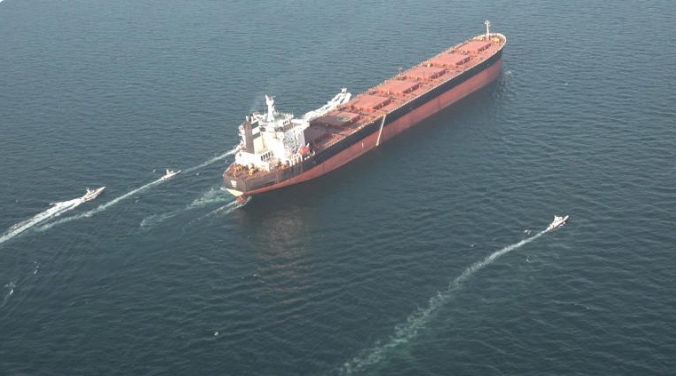
The disruption follows U.S. and Israeli strikes on Iran over the weekend under Operation Epic Fury, which triggered Iranian retaliation across the region. Iran has moved to restrict traffic through the Strait of Hormuz, one of the world’s most critical energy chokepoints. About 20% of global oil supply and more than a third of seaborne crude trade pass through the narrow waterway.
Satellite data indicated that oil tanker transit through the strait had virtually halted over the weekend as shipping companies paused operations due to security risks and insurance concerns. Analysts said companies are unlikely to resume normal routes until the military situation stabilizes.
Any sustained disruption could ripple through global LNG markets. While Europe does not rely primarily on Qatari gas, analysts warn that interruptions to Asian-bound cargoes could force buyers to compete for alternative supplies, tightening markets worldwide and pushing prices higher.
Europe remains particularly sensitive to LNG volatility after cutting back Russian pipeline imports following the 2022 invasion of Ukraine. Gas storage levels across the European Union are currently below 30% capacity, compared with roughly 40% at the same time last year. Germany’s storage facilities are about 20.5% full, and France’s stand near 21%, according to industry data, leaving limited cushion if supply constraints persist.
Gabriella Hoffman, director of the Center for Energy and Conservation at the Independent Women’s Center, said the United States is better positioned than many allies to withstand the shock because of increased domestic production and expanded LNG export capacity.
“Energy security is national security,” Hoffman said. “If your energy policy is tied to boosting domestic production and insulating yourself from geopolitical threats, you’re going to be in a stronger position during moments like this.”
She argued that recent growth in U.S. production provides insulation from external supply shocks, though she cautioned that the situation remains fluid. “It’s early. We’re still waiting to see how this unfolds. But markets can adjust more quickly than some forecasts suggest,” she said.
Analysts say much will depend on whether further infrastructure is targeted and whether shipping through the Strait of Hormuz resumes in the coming days. For now, energy markets remain in a wait-and-see posture, with traders closely monitoring both military developments and tanker movements in the Gulf.



