Skip to content


SAIPEC 2026: PETAN pledges collaborative, African-led energy development

Sopuruchi Onwuka
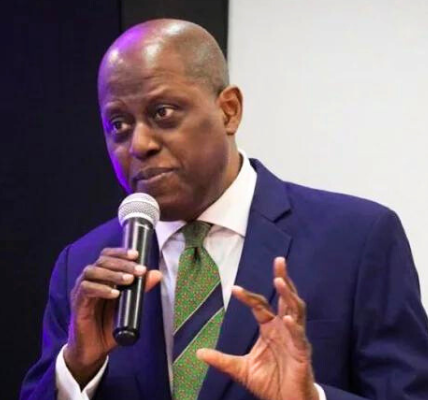
Chairman of the Petroleum Technology Association of Nigeria (PETAN), Engr. Wole Ogunsanya, has reaffirmed the association’s commitment to working with all stakeholders to build a resilient, inclusive, and sustainable energy industry that delivers prosperity for Africans and value for investors and partners.

Ogunsanya made the pledge in his opening address at the 10th Anniversary Edition of the Sub-Saharan African International Petroleum Exhibition and Conference (SAIPEC 2026), themed “A Decade of Driving Africa’s Energy Future.”
He commended the organizers, partners, sponsors, and stakeholders for sustaining SAIPEC over the past decade and growing it into Africa’s premier energy conference and exhibition platform.
According to him, SAIPEC was conceived ten years ago as more than an industry gathering, but as a movement to amplify African capabilities, promote collaboration, and reposition Africa within the global energy landscape.
Reflecting on the conference’s impact, Ogunsanya said SAIPEC has driven strategic dialogue on energy policy and investment, elevated indigenous participation and local content development, connected African service companies to global opportunities, and shaped conversations that have translated into real projects and measurable outcomes.
He noted that the progress recorded over the past decade reflects the resilience, innovation, and determination of African industry players, particularly indigenous companies that have continued to grow despite global market volatility and the pressures of energy transition.
Looking ahead, the PETAN chairman stressed that Africa’s energy future must be defined by Africans, for Africans. While acknowledging the evolving global energy transition, he said Africa’s immediate priority remains energy access, affordability, and reliability, with over 600 million people on the continent still lacking access to electricity.
“For Africa, energy transition is not about abandoning hydrocarbons,” he said. “It is about responsibly leveraging our resources to drive development, while gradually integrating cleaner and renewable energy solutions.”
Ogunsanya highlighted the growth of indigenous capacity across the energy value chain as one of the most significant achievements of the past decade. In Nigeria, he said, local content policies and deliberate capacity development have enabled indigenous companies to take the lead in drilling and well services, engineering and fabrication, asset acquisition, field development, and technology deployment.
He noted that PETAN member companies have evolved from service providers to strategic partners, delivering complex projects to international standards.
However, he warned that sustaining this progress would require consistent policy implementation, improved access to financing, contract sanctity, timely project execution, and stronger collaboration between operators and service companies.
According to him, the next decade must focus on investment and execution, stressing that while Africa needs capital, capital also requires confidence. He identified regulatory clarity, transparent processes, competitive fiscal frameworks, and bankable projects as key drivers of investor confidence.
Ogunsanya also underscored the role of technology in shaping the future of Africa’s energy sector, calling for greater adoption of digitalisation, automation, data-driven operations, and low-carbon solutions to improve efficiency, safety, and sustainability.
He concluded by emphasizing that partnerships would remain the foundation of Africa’s energy future, urging stronger collaboration among governments, regulators, indigenous companies, international oil companies, financiers, and development institutions.
As SAIPEC marks its 10th edition, the PETAN chairman called on stakeholders to move from dialogue to delivery, accelerate gas development and infrastructure, deepen local content utilization, create jobs, transfer skills, and position Africa as a competitive and reliable energy destination.
“Ten years ago, we set out to drive Africa’s energy future,” he said. “Today, we are not at the end of that journey, but at the beginning of a more ambitious chapter.”