Skip to content

PETAN seeks innovative funding to unlock Nigeria’s 3mbpd oil target

- Petroleum industry needs over N8.4 trn to equip oilfield operations
Sopuruchi Onwuka
Nigeria’s aspiration to boost oil and gas production must go beyond setting targets to addressing critical funding crunch inhibiting investments in exploration and development drilling in the oil and gas industry, the Petroleum Technology Association of Nigeria (PETAN) has declared.
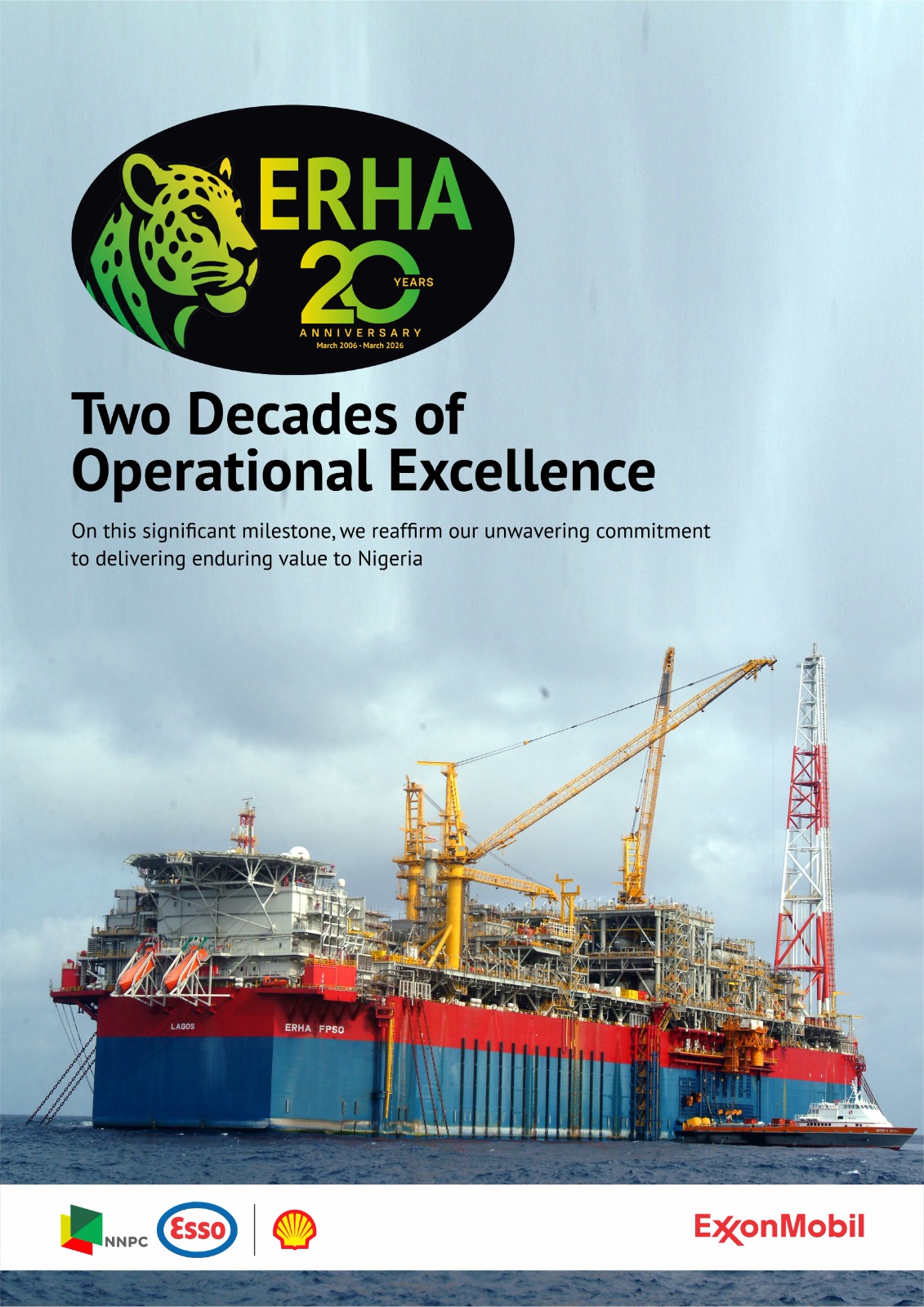
Chairman of PETAN, Engr Wole Ogunsanya, stated at a media roundtable in Lagos that whereas indigenous capacity exists for full loop industry operations, other support services especially financing, effective regulation that places assets in capable hands and security of infrastructure remain critical to industry performance.
He made it clear that Nigeria needs about $6 billion in investment in drilling equipment alone to support its ambition of producing three million barrels of crude oil per day (3.0 mbd), adding that oil producers, financial institutions and regulators to adopt innovative financing models to accelerate production growth.
Engr. Ogunsanya said whereas Nigeria possessed the technical expertise, market opportunities and indigenous capacity required to expand oil and gas production; persistent funding constraints, inadequate infrastructure and gaps in skills development continued to impede the industry’s growth.
Speaking on the state of Nigeria’s oil and gas industry, Ogunsanya identified access to finance as one of the most critical challenges facing indigenous oilfield service companies, particularly as Nigerian operators assume greater responsibility for assets divested by international oil companies (IOCs).
He called for financing arrangements that would enable local service companies to acquire drilling rigs and other essential equipment, arguing that Nigeria’s production ambitions would remain difficult to achieve without sustained investment in the infrastructure needed to develop oil and gas assets.
The PETAN chairman’s intervention comes amid renewed government pressure on oil producers to increase output to three million barrels per day, as Nigeria seeks to strengthen public finances, reduce dependence on borrowing and ease foreign exchange liquidity constraints.
Petroleum exports account for more than 80 per cent of Nigeria’s balance of payments, while oil and gas remain the country’s dominant export earners and a major source of foreign exchange receipts.
In pursuit of the production target, the Nigerian Upstream Petroleum Regulatory Commission (NUPRC) has continued to auction oil and gas assets through licensing rounds aimed at attracting investment and accelerating field development.
The Commission’s Chief Executive, Mrs Oritsemeyiwa Eyesan, recently indicated that shut-in discoveries would be offered in subsequent licensing rounds, warning that operators that prove unable to demonstrate the capacity to develop assets quickly and bring them to market risk losing their licences.
The warning reflects regulatory concerns over the slow pace of exploration, appraisal and field development despite the number of petroleum licences awarded in recent years.
Ogunsanya, however, maintained that Nigeria could achieve its production objectives if the industry addressed the structural constraints preventing available technical capacity and petroleum assets from translating into higher output.
He stressed that allocating assets to operators with the financial and technical capacity to develop them remains essential to accelerating exploration, appraisal, drilling and production.
According to him, the estimated $6 billion required for drilling equipment represents a significant investment challenge but also an opportunity to strengthen indigenous service companies and deepen local participation in the petroleum industry.
He noted that conventional lending arrangements had make it difficult for many Nigerian companies to acquire expensive drilling rigs and related equipment, even when they possess the technical competence to execute complex oilfield operations.
To address the funding gap, Ogunsanya highlighted a model vendor financing arrangement valued at $4.1 billion and N435 billion involving Renaissance Africa Energy and 13 commercial and multilateral financial institutions.
Under the arrangement, Renaissance provides guarantees to participating banks for eligible contractors executing work for the company, enabling them to access financing against contracted revenues rather than relying exclusively on conventional collateral.
The model is designed to improve contractors’ access to credit by linking equipment financing to secured service contracts and anticipated revenue streams, while giving lenders greater assurance of repayment.
Ogunsanya urged other oil-producing companies operating in Nigeria to adopt similar arrangements, saying broader access to financing would enable indigenous contractors to acquire equipment, expand service delivery and support higher production.
He also called for greater use of the Nigerian Content Development and Monitoring Board’s (NCDMB) funding mechanisms to support equipment acquisition by oilfield service companies, particularly where such investments could directly facilitate additional production.
The PETAN chairman said the increasing transfer of onshore and shallow-water assets from international oil companies to indigenous operators had created opportunities for local producers and service providers to expand their roles across the industry.
He noted that Nigerian service companies have demonstrated their ability to execute technically demanding operations and compete internationally, suggesting that access to capital, rather than a lack of technical competence, was increasingly constraining their ability to scale up.
However, he warned that the transfer of assets to indigenous operators also carries greater responsibilities for technology development, infrastructure provision, financing and workforce training.
Beyond equipment financing, Ogunsanya called for a more consistent investment strategy to sustain exploration and field development regardless of short-term movements in international crude oil prices.
He observed that Nigeria had historically struggled to sustain production growth during periods of high oil prices, partly because drilling and investment activities tended to slow when prices weakened.
According to him, the availability of domestic refineries and sustained demand for petroleum products should provide additional incentives for producers to maintain output and investment through different phases of the oil price cycle.
He also stressed the need to increase exploration activity to replenish reserves, warning that Nigeria’s long-term production ambitions would be difficult to sustain without fresh discoveries and continuous investment in drilling.
Ogunsanya further raised concerns about a potential skills gap as experienced workers approach retirement and the traditional training pipeline supported by international oil companies comes under pressure following their divestment from some Nigerian assets.
He urged indigenous exploration and production companies to invest deliberately in training young Nigerian engineers and technicians to ensure that the transfer of ownership does not undermine the industry’s technical capabilities.
PETAN, he said, was pursuing training initiatives and plans to establish a first-class training centre in Rivers State to expand access to practical oilfield training and prepare young Nigerians for employment in the sector.
He maintained that aligning petroleum assets with capable operators, improving access to financing, expanding indigenous equipment ownership and strengthening technical training would be critical to translating Nigeria’s oil and gas potential into higher production, increased industry revenues and more opportunities for local companies.