Skip to content


EU demand surge drives global LNG exports to record high in September

Sopuruchi Onwuka
Global exports of liquefied natural gas (LNG) reached a record 34.59 million metric tons in September, driven by surging demand from Europe and higher shipments from producers outside the Gas Exporting Countries Forum (GECF), the forum said in its latest monthly report.
The figure represents the highest monthly export volume ever recorded. The increase came as global LNG imports rose 3.7% year-on-year, led by a sharp 40% jump in demand from the European Union. The bloc boosted purchases to compensate for lower pipeline gas flows and to rebuild storage ahead of the winter heating season.
The report showed that non-GECF members — including the United States, Canada, and Papua New Guinea — were the main contributors to the increase, with exports rising 14% year-on-year to 19.36 million tons. In contrast, GECF members’ exports fell 6.3% to 15.17 million tons, ending four consecutive months of growth.
Within the GECF, shipments declined from Russia, Algeria, Nigeria, and Peru, while Qatar saw an increase, reinforcing its position as the leading LNG exporter within the organization. The combined result was a slight rebalancing in global LNG market share, with non-GECF producers continuing to dominate overall growth in supply.
Over the first nine months of 2025, GECF exports rose only 0.1%, to 143.79 million tons, while non-GECF exports expanded 8.7%, reaching 173.21 million tons. Analysts say the divergence underscores how newer LNG exporters — especially those in North America — are reshaping global energy trade.
The United States remains the main driver of LNG growth outside the GECF. According to the U.S. Energy Information Administration (EIA), North America’s export capacity is set to more than double by 2029, rising from about 14 billion cubic feet per day (bcf/d) this year to over 29 bcf/d. That would make the region responsible for nearly 40% of global LNG export capacity by the end of the decade.
The surge will come from several large-scale projects now under construction, including Golden Pass LNG, Plaquemines LNG, and Driftwood LNG, alongside expansions in Canada and Mexico.
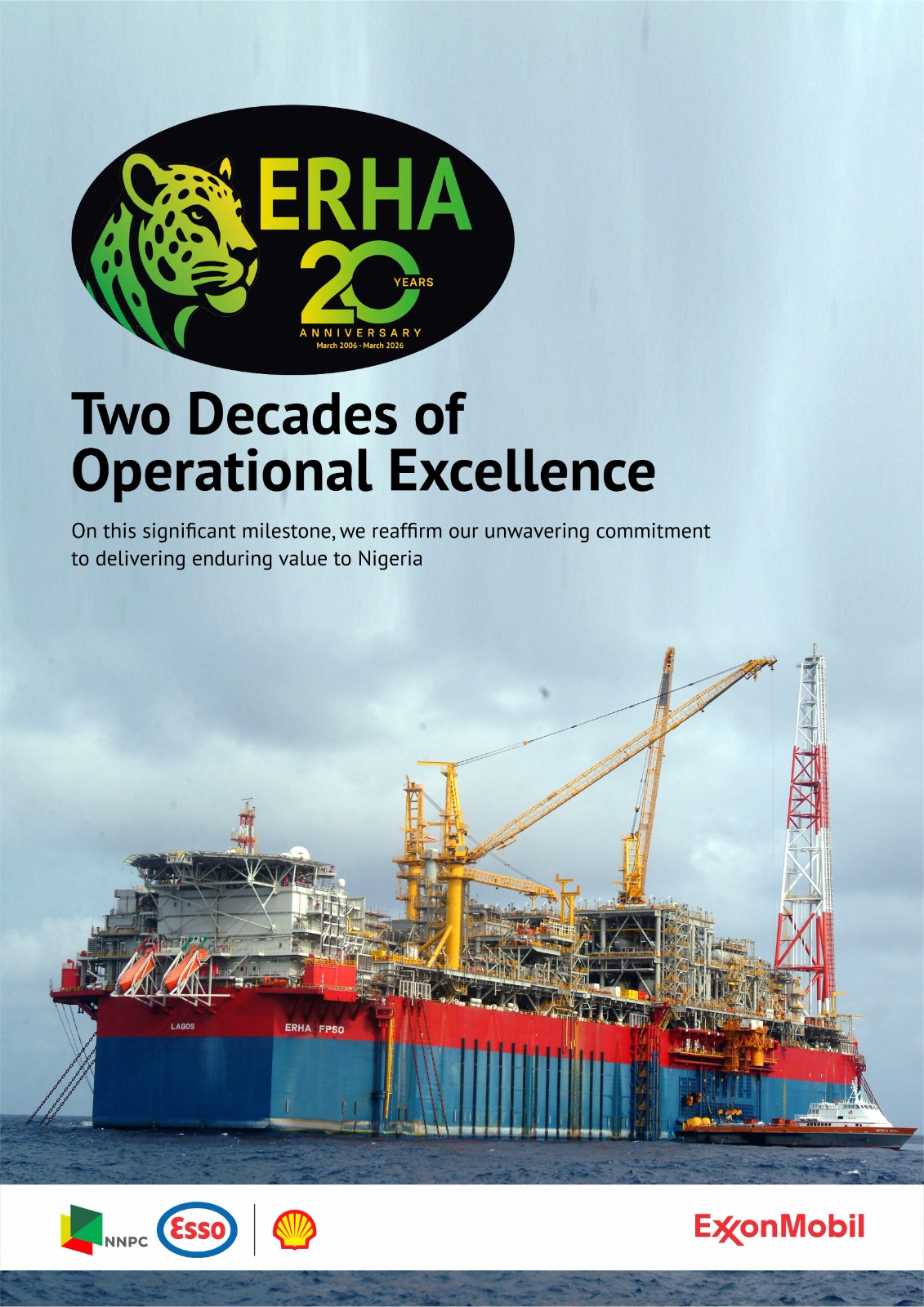
The Golden Pass LNG project in Texas — a joint venture between QatarEnergy and ExxonMobil — has faced delays following the bankruptcy of contractor Zachry Group, prompting developers to seek a new completion deadline of 2029. The company told U.S. regulators that labor and equipment bottlenecks have slowed progress, though partial commissioning work continues.
Meanwhile, Venture Global’s Plaquemines LNG project in Louisiana has revised its capital cost upward by $2 billion to reflect higher construction expenses. Phase 1 is now scheduled for completion in late 2026, with full capacity expected by mid-2027. The project has secured long-term supply contracts covering nearly all its 20 million tonnes per year output and has requested an updated construction timeline from regulators.
In another major U.S. development, the Driftwood LNG project, now rebranded as Louisiana LNG Infrastructure, began site work in September 2025 following its acquisition by Woodside Energy. The $17.5 billion project remains in early construction with no confirmed commissioning date, but has secured new state and federal permits, according to local media reports.
Despite schedule revisions across several sites, the EIA said most U.S. Gulf Coast facilities have achieved final investment decisions (FIDs), supported by long-term purchase agreements with European and Asian buyers seeking to diversify away from Russian pipeline gas.
The combination of new North American capacity and continued Qatari expansion suggests global LNG supply could grow substantially over the next five years, intensifying competition among producers. However, analysts warn that cost inflation, permitting delays, and logistical bottlenecks could challenge delivery timelines.
Still, with European demand expected to remain strong and Asian consumption rebounding, September’s record exports may signal the start of a new growth phase in the global LNG market — one increasingly shaped by U.S. and non-GECF producers.