Skip to content

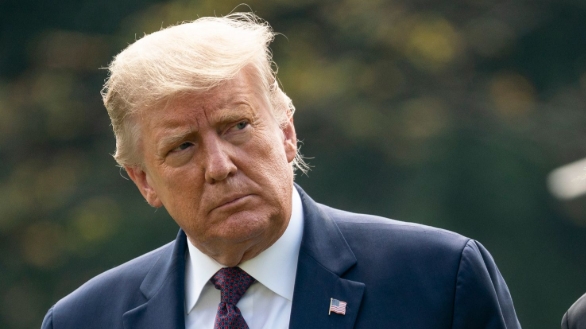
Trump floats $750bn deal as Europe scrambles for LNG supplies
 Sopuruchi Onwuka Posted on
 Sopuruchi Onwuka
Tensions in global energy markets are intensifying as the United States moves to secure a major long-term supply arrangement with the European Union, offering a package of deals that could reach $750 billion through 2028. The proposal, which would see EU member states purchase around $250 billion annually in oil, gas and nuclear energy, comes at a time when Europe is facing renewed pressure over access to liquefied natural gas (LNG).
According to US Ambassador to the EU Andrew Puzder, the arrangement is designed to ensure Europe maintains stable access to American LNG supplies amid rising global competition. The offer reflects Washington’s effort to position itself as a reliable energy partner as market conditions tighten and geopolitical risks disrupt traditional supply routes.
The urgency behind the proposal is underscored by a growing scramble for LNG cargoes between Europe and Asia. Ship-tracking data shows multiple tankers changing course mid-voyage, with cargoes originally destined for European terminals being redirected to Asian buyers willing to pay a premium. Even relatively small price differences of $1 to $3 per MMBtu, measured against the Asian JKM benchmark, are proving sufficient to shift flows eastward, highlighting how finely balanced the global LNG market has become.
Supply concerns have been further exacerbated by instability in the Strait of Hormuz, a critical energy corridor through which roughly a fifth of global LNG supply passes. Ongoing tensions involving Iran have raised fears of disruption, particularly following retaliatory actions linked to recent military exchanges in the Middle East. The situation has been compounded by reported strikes on Qatar’s Ras Laffan facility, the world’s largest LNG export hub, forcing QatarEnergy to declare force majeure on some contracts.
While Europe relies less heavily on Hormuz-linked supplies than Asia, the knock-on effects are being felt through higher prices and tighter availability. The Dutch TTF benchmark, Europe’s key wholesale gas price, recently surged above €60 per megawatt-hour before easing slightly, remaining well above pre-crisis levels. The timing is particularly sensitive, as European countries enter the crucial period for refilling gas storage ahead of next winter.
Analysts say the current dynamics expose Europe’s vulnerability to global price signals and supply shocks. Since the outbreak of the latest Middle East conflict, the number of diverted LNG shipments has steadily increased, with intelligence firm Kpler reporting more than a dozen cargoes rerouted away from Europe. This trend risks undermining efforts to rebuild storage levels, even as seasonal demand begins to decline with the end of winter.
At the national level, governments are scrambling to adapt. Italy is seeking alternative supplies, with Prime Minister Giorgia Meloni turning to Algeria to offset disruptions linked to Qatari exports, which account for a significant share of the country’s gas imports. In Belgium, authorities are working to replace reduced volumes at the Zeebrugge terminal, while Orlen in Poland has emphasized diversification and flexible sourcing to manage supply risks.
The proposed US-EU deal therefore sits at the intersection of market forces and geopolitical strategy. For Washington, it offers a way to deepen economic ties with Europe while reinforcing its role in global energy markets. For the EU, it presents both an opportunity to secure supply and a reminder of its continued exposure to external shocks.
With LNG flows increasingly dictated by price competition and geopolitical uncertainty, the coming months are likely to test Europe’s ability to balance short-term supply needs with longer-term energy transition goals.