Skip to content

Integrated field development should include gas fractionation plants

Sopuruchi Onwuka
Players seeking to optimize resource value from stranded oilfields must not only adopt integrated field development model for onsite crude oil processing, but also include gas-to-liquid plants in order to curb flares and capture marginal values from associated gas.

Industry veteran, Mr Chike Nwosu, an engineer, dropped the hint during a panel discussion at a conference that pooled midstream players to a debate about “Financing and Scaling Refinery Infrastructure in Nigeria.”
Mr Nwosu has spanned different fields of petroleum industry operations in Nigeria and around the world. He worked for European oil giant, Shell. He also functioned as Managing Director of Waltersmith’s Ibigwe Refinery in Imo State. He is now the Group Chief Executive of HSI Energies Limited which is focused on midstream petroleum processing and related industrial energy production and infrastructural development.
 Group Chief Executive of HSI Energies Limited, Engr Chike Nwosu
In advising lean asset operators on how to maximize the benefits of integrated oilfield development and reach early field production, he stated that beginning with gas-to-liquid plants could enable players generate early foreign exchange financing required to fund more complex refining operations while meeting regulatory requirements on flare reduction.
Quick-to-market development strategies have become critical for operators of marginal fields, brownfields , gassy fields and lean assets in order to optimize the full commercial viability of operations, quickly mop up cash from the market and reinvest in longer gestation projects that yield longer term values.
Oracle Intelligence reports that a lot of dormant oilfields currently under auction by the Nigerian Upstream Petroleum Regulatory Commission (NUPRC) are recovered from international oil companies which left them on reasons of low commercial profiles given their remoteness from existing pipeline and crude processing facilities.
The NUPRC stated that it has started comprehensive audit of lean reserves oilfields that are not earning development investments from their currently operators for recovery and re-auction.
Chief Executive Officer of NUPRC, Engr Gbenga Komolafe, had during the conversion of an exploration license to mining license for Ingentia Limited announced that players who fail to commit development investments in awarded oil blocks or oilfields would forfeit their operating licenses on such assets which, according to him, would be recovered and offered to investors that are ready to go to site.
The decision, he said, falls into line with the drill-or-drop provision of the Petroleum Industry Act (PIA) which the NUPRC is the lead implementation agency.
The regulator’s strict implementation of the drill-or-drop clause, Oracle Intelligence reports, has given a strong fillip to creative field development strategies that integrate full chain activities in one onsite production and processing model.
The model which started with the onsite topping plant at Ogbele marginal field operated by Aradel Holding to avert pipeline losses has since been developed into a viable business model at the stranded Waltersmith operated Ibigwe marginal field where the onsite modular refinery is being expanded to churn out greater volumes and diverse specification of fuel products.
With more fields falling into the hands asset hungry independent players like Ingentia, and with more refinery specific investments trailing stranded crude oil production sites, simultaneous capturing of values from oil, gas and natural gas liquids continue to dominate field development plans.
But integrated development model, as attractive as it has become demands huge capital investments at a time of severe financing crunch in the money market. Equity investors also go for substantially derisked operations with clear sight on return on investments.
These requirement on the operator to finance field development with internal capital, according to Engr Chike Nwosu, calls for early production and quick-to-market strategies. Whereas adopting simple logistics like trucking for crude oil evacuation comes handy, capturing gas value and onsite refining require additional investments in processing modules.
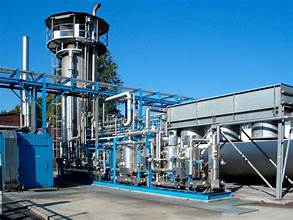
Quickest to market, according to Eng Nwosu, could be gas-to-liquid processing plants that could quickly deliver cash from the domestic market in real time. He listed some of the recommended products from onsite gas processing investments to include clean diesel, liquefied petroleum gas (LPG) and liquefied natural gas (LNG).
For standalone modular refinery players, Engr Nwosu warned them to locate their pants within 10 kilometers from the source of crude oil or rich upstream gas to ensure limited investments in pipeline infrastructure.
While responding to questions on best technology for modular refineries, he declared that “location is the technology itself,” explaining that proximate locations would enable refinery players avert downtimes by switching to gas processing at times of crude supply disruption.
“You must have a skin in the game before you expect local banks or investors to step in with funds,” said, adding that gas processing to produce liquids offer quick wins in raising pre-development financing.