Skip to content


Sopuruchi Onwuka
Schemes by Shell Petroleum Development Company (SPDC) to recover its investments in the Niger Delta and walk away after years of deep seated pollution have been halted by the nation’s Supreme Court which ruled that the company is still answerable to communities making coordinated demand for environmental accountability.
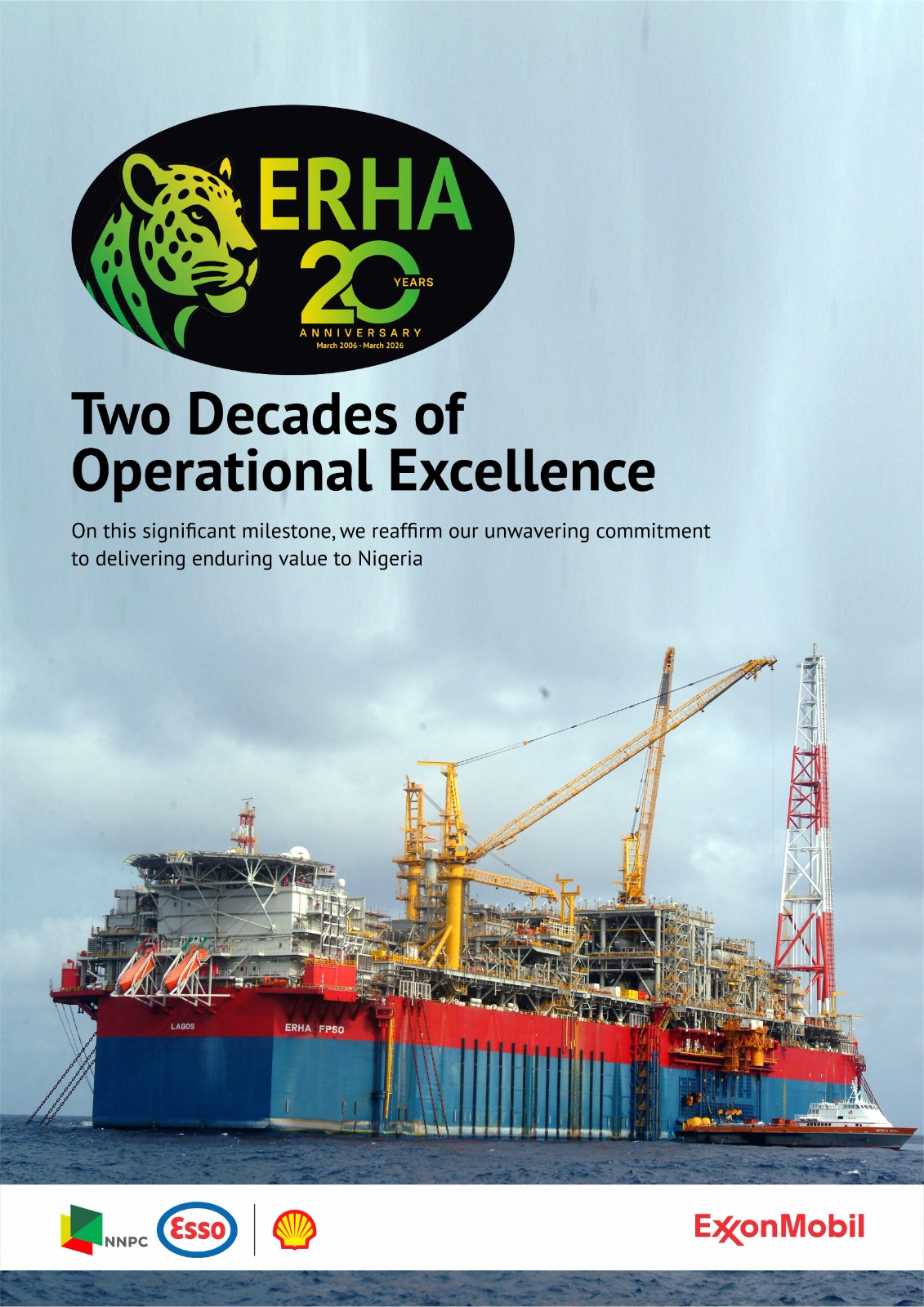
The nation’s apex court ruled on Thursday that the prevailing divestment programme which would have allowed the European oil major walk out of liabilities is now suspended to enable determination of pending cases of claim for compensation by the company’s host communities.

Shell has also admitted that the divestment deals on operated onshore oil assets in Nigeria would no longer progress as scheduled in compliance with a Supreme Court ruling that said it has to wait for the outcome of an appeal over a 2019 oil spill.
“Shell welcomes the Nigerian Supreme Court’s decision to hear the appeal of the Shell Petroleum Development Company of Nigeria Ltd (SPDC) in this case,” the London-based company said in a statement.
“Until the outcome of SPDC’s appeal, Shell will not progress the divestment of its interest in SPDC.”
The Supreme Court on June 16 upheld a lower court ruling that stopped Shell from selling its assets in Nigeria until a dispute over a lower court decision to award a Niger Delta community $1.95 billion in compensation over the spill is resolved.
The Oracle Today reports that Shell’s decades of rancorous relationship with host Niger Delta communities had led to confrontations and violent clashes that evolved into militant activism against oil industry players in the Niger Delta.
The major issues affecting smooth operations in the Niger Delta, including crude oil theft and facility vandalism, are outcomes of protracted hostility between Shell and community people over environmental pollution and suppression of local people using agencies of the state over which the company exerts influence.
Clashes with Shell over environmental issues had led to execution of nine leaders of the Ogoni community in Rivers State by the government of the late dictator, General Sani Abacha, who enjoyed good relationship with the Anglo-Dutch oil multinational.
Shell had embarked on quick recovery of its investments in the Niger Delta since 2010 after the United Nations Environmental Programme (UNEP) indicted the company for deep seated pollution of the Niger Delta, a devastation which the global body calculated would take about 30 years and over $3.0 billion to remediate.
Thus divestment of its onshore, swamp and shallow water assets to desperate indigenous upstarts in the country would have given the company the opportunity to abdicate its responsibility in the myriad of indictments and legal actions trailing its footprints in the operating environment.
The multinational major which is drifting into deep offshore operations with no community liability is also in court with most of the companies that bought its assets in the past, including Aiteo which accused to the company of tricky transactions during divestment deals.
After a string of divestments in the past 12 years, Shell is now close to selling its 30% stake in its local affiliate which operates Nigeria’s most dysfunctional joint venture that struggles hundreds of spills and production losses.
The company has faced a string of court cases in the past over oil spills, and has declared its resolve to sell its SPDC stake focus on deepwater operations and gas business.
Eighty-eight communities in Rivers state were awarded the compensation for an oil spill they blamed on Shell and which damaged their farms and waterways.
The community sought and was granted a court order blocking Shell from disposing its assets. The company was also ordered to put the $1.95 billion into an account nominated by the court until the legal dispute was settled.
As traditional, Shell denies causing the spill.