Skip to content


COP30 to shift debate from energy transition to energy mix _Lokpobiri

- Africa’s $120b worth of oil reserves threatened by climate action
- Says climate action has hit economic crisis
Sopuruchi Onwuka
African delegates to the 30th Conference of Parties (COP) of the United Nations Framework Convention on Climate Change (UNFCCC) will not back down on their earlier position to continue development and utilization of petroleum energy despite the pressure from environmental activists.
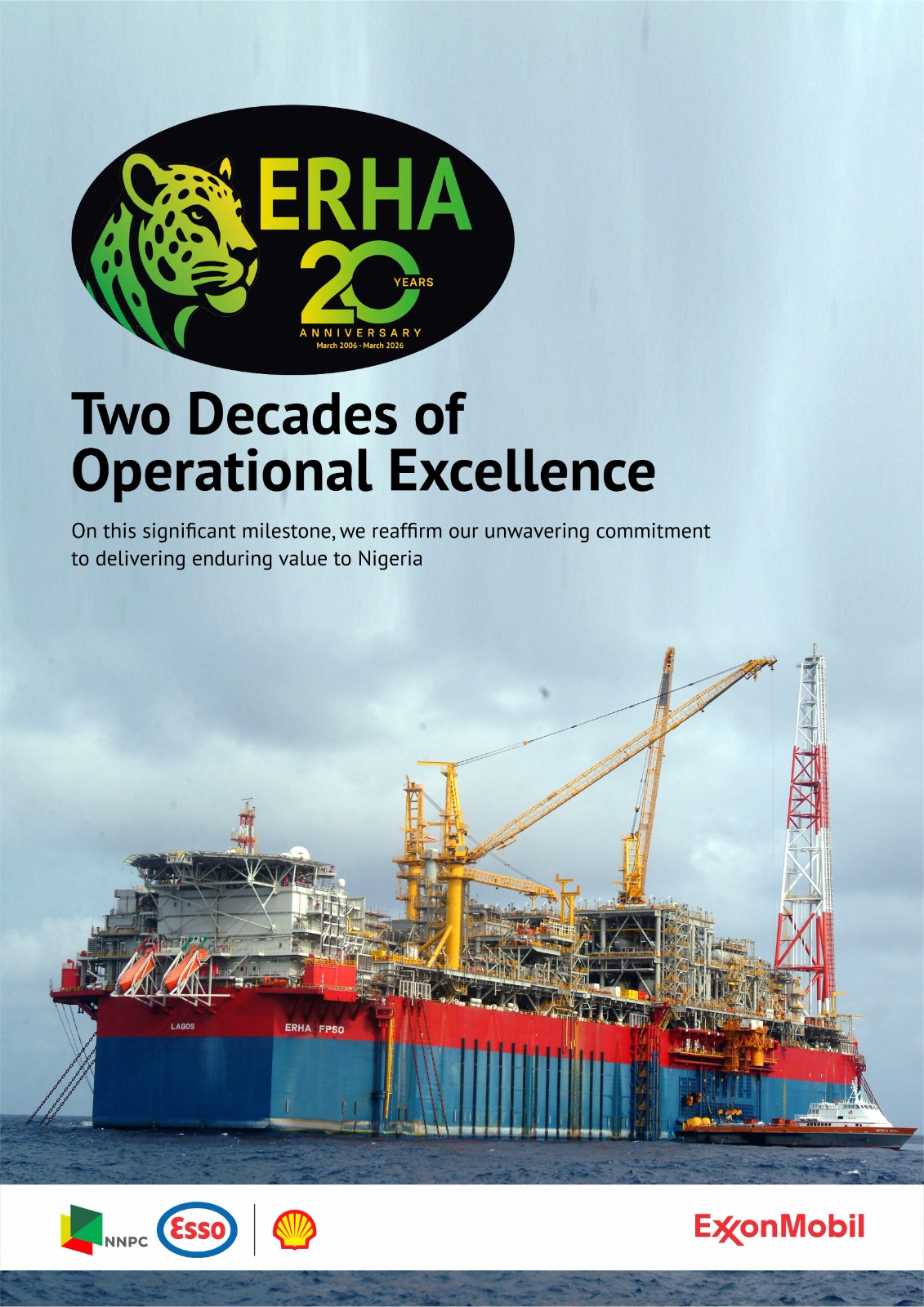
Minister of State for Petroleum Resources in charge of Oil, Senator Heineken Lokpobiri, declared at the 19th Africa Downstream Energy Week that the continent would defy intense pressure from the industrialize countries and continue developing both the petroleum resources and local energy markets that make investments commercially viable.
The Minister was speaking on the theme of the conference, “Energy Sustainability: Growth Beyond Boundaries and Competition.”
He stated that the governments and economies championing energy transition are currently facing energy crisis and calling for new investments in development of new supplies.
He cited a projection by the International Energy Agency (IEA) that significant annual investment of $540 billion is now required to develop new hydrocarbon resources and bridge imminent supply crisis. He added that additional downstream investment estimates would now bring total global investment capital in firing global economy with petroleum energy to $700 billion a year.
He noted that whereas the industrialized West try to avert supply crisis and preach energy transition, Africa has never experienced sufficient energy supply not to mention making energy choice. He also argued that the continent is illogically being pressured to give up petroleum energy, explaining that the developed countries which operate the global petroleum industry with advanced technology are responsible for over 97 percent of global greenhouse gas emissions.
Lokpobiri made it clear that the demand for petroleum fuel would continue to escalate with the growth in the world gross domestic product (GDP), adding that Africa’s $120 billion worth of petroleum reserves would continue to serve its 1.5 billion population in the immediate to medium term.
In maintaining that Africa, with responsibility for paltry 3.0 percent of total global emissions, has little or no significant role to play in emission reduction. He added that even if Africa produces all its existing petroleum reserves, “it would not add more than one percent to the existing global emission level.”
He called on Nigerians to continue to shop and encourage investments in the petroleum industry, adding that patriotic Nigerians have roles to play in helping the economy survive.
With COP30 around the corner and more calls for decarbonization getting louder as the global climate debate kicks off, Lokpobiri noted that the arguments that would rule discussions at the global event would shift from energy transition and center on energy mix and energy security.
In calling for new investments in the petroleum industry, he stressed that time has come for the continent to evolve home grown solutions to investment funding and operating technology to sidestep the prevailing funding ban imposed by some western nations and multilateral lenders on new petroleum development.
He also accused the developed countries of reneging on their funding pledges to assist African nations build resilience against envisaged climate impact and challenges associated with energy transition.
Oracle Intelligence reports that the COP30 climate conference is scheduled to hold in the Amazon port city of Belem mid-November. But the meeting is likely to yield less than desired outcomes as many countries begin to count the cost of transition and pull back from commitments.
Last year, at COP29, African ministers led by Senator Lokpobiri and the Secretary General of Africa Petroleum Producers Organization (APPO), Dr Omar Farouk Ibrahim, had adopted a common position to press on with hydrocarbon resource exploitation for economic development.
Senator Lokpobiri stated in Lagos that the position of Africa on climate action has not changed, adding that the new debate at the conference would now center on energy mix and energy security as against energy transition. He said Africa currently has nowhere to transit from.