Skip to content



- Urges States to invest more in human capital
Nigeria’s economy is projected to grow by an average of 4.4 per cent annually through 2028, with inflation and poverty expected to decline if the government sustains economic reforms and improves public service delivery, the World Bank has said.
In its latest Nigeria Development Update, the global lender said reforms introduced by the Federal Government, including petrol subsidy removal and foreign exchange market changes, had increased revenues available to state governments, creating opportunities to expand investment in infrastructure, education and healthcare.
However, the bank cautioned that higher government revenues alone would not automatically translate into improved living standards, urging state governments to strengthen spending efficiency and prioritise investments in human capital to accelerate poverty reduction.
Nigeria’s economy grew by 4.2 per cent in the first half of 2026, compared with 3.9 per cent in 2025, supported mainly by services and agriculture, according to the report.
The World Bank projected that inflation would moderate to around 12 per cent by 2028 from approximately 15 per cent, provided reforms were sustained and economic conditions continued to improve.
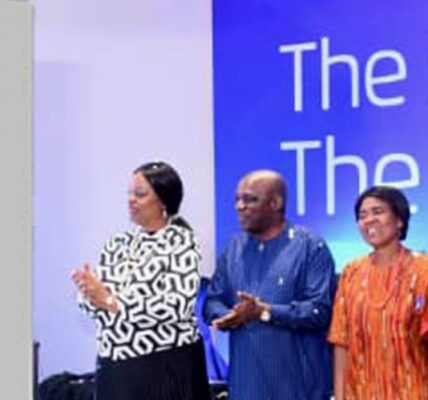
Speaking at the presentation of the report, Minister of Finance and Coordinating Minister of the Economy, Taiwo Oyedele, said the reforms had helped stabilise the economy and placed it on a path towards faster growth.
Oyedele said the economy was expanding faster than the population, a development he argued could help reduce poverty if sustained over time.
He added that the government’s priority was to promote private sector-led growth capable of generating employment and expanding economic opportunities.
The World Bank noted that state government revenues increased by approximately 93 per cent in real terms between 2023 and 2025, following changes in the country’s fiscal and economic policy environment.
The increase has provided state governments with greater resources to address infrastructure deficits and improve essential public services. However, the bank stressed that the development impact would depend on how effectively the additional funds were deployed.
It urged states to improve public expenditure management and direct more resources towards education, healthcare and other investments that build human capital, strengthen productivity and improve household welfare.
The report highlights the importance of translating macroeconomic gains into tangible improvements in living standards, particularly as households continue to face the effects of elevated prices and economic adjustment.
While stronger growth and moderating inflation could improve the outlook, the World Bank’s projections remain conditional on sustained reforms, more effective public spending and better delivery of government services.
The challenge for Nigeria is therefore not only to maintain economic growth but also to ensure that its benefits translate into jobs, higher household incomes and measurable reductions in poverty.