Skip to content

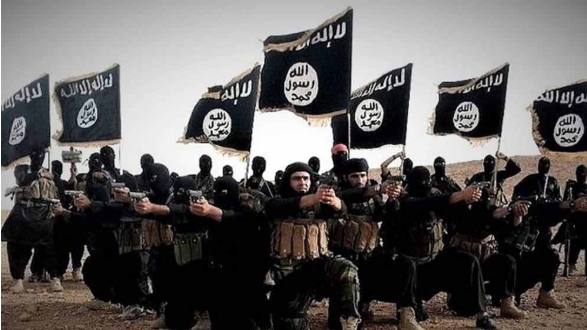

African countries have called for stronger United Nations support to combat the growing threat posed by the Islamic State (ISIL/Da’esh) and its affiliates, warning that extremist groups are spreading across borders, exploiting weak governance and emerging technologies to expand their operations.
The appeal was made during a meeting of the UN Security Council on Wednesday, where senior UN counter-terrorism officials briefed member states on the persistent threat posed by ISIL, also known as Da’esh, to international peace and security.

The officials warned that despite sustained military pressure, the terrorist organisation and its affiliates remain resilient by operating through decentralised networks and leveraging artificial intelligence, encrypted communications, drones, virtual assets and cryptocurrencies for recruitment, financing and operational planning.
The Security Council was told that Africa—particularly the Sahel and the Lake Chad Basin—has become the global epicentre of the threat, while the Islamic State Khorasan Province (ISIL-K) continues to pose significant security risks in Afghanistan. Officials also stressed that Syria’s ongoing political transition requires sustained vigilance to prevent a resurgence of the extremist group.
The briefing followed a UN counter-terrorism conference held in June, where the acting head of the UN Office of Counter-Terrorism warned that Al-Qaeda, Da’esh and their affiliates remain “adaptive and resilient” despite international efforts to dismantle their networks.
Delegates warned that terrorist organisations are increasingly exploiting fragile states, prolonged conflicts, organised crime and technological innovations to strengthen their reach, recruit fighters and evade security agencies.
Representing the Democratic Republic of the Congo, Deputy Permanent Representative Jocelyne Kabengele Lukundula called for increased international support to African-led counter-terrorism operations, describing the threat posed by the Islamic State West Africa Province (ISWAP) as persistent and deeply destabilising.
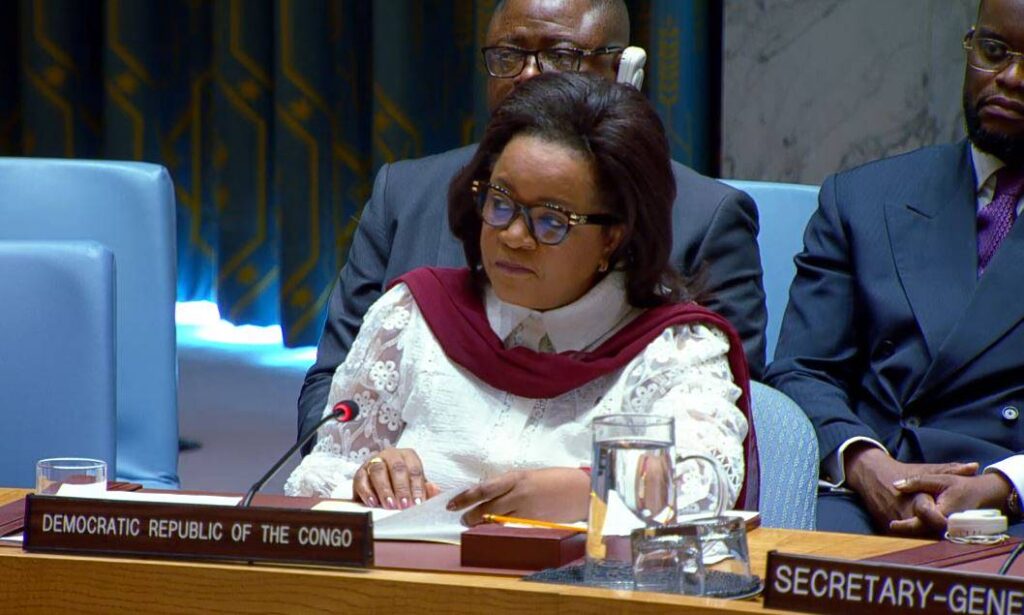
“For the Democratic Republic of the Congo, this threat is not an abstract concern; it is a tragic daily reality,” she told the Council.
Lukundula highlighted the continued attacks by the Allied Democratic Forces (ADF), an armed group affiliated with the Islamic State, accusing it of terrorising communities, weakening state authority and undermining stability across the Great Lakes region.
She cautioned that without sustained international cooperation and constant vigilance, no region would remain immune to the threat in the long term.
According to her, military operations alone would not defeat violent extremism unless governments also address its underlying drivers, including protracted conflicts, weak governance, poverty, inequality, youth marginalisation and limited economic opportunities.
Liberia also warned that the rapid spread of extremist groups towards coastal West Africa now poses an existential security challenge.
Liberia’s Permanent Representative, Ambassador Lewis Garseedah Brown II, noted that sub-Saharan Africa now accounts for more than half of all terrorism-related fatalities worldwide.
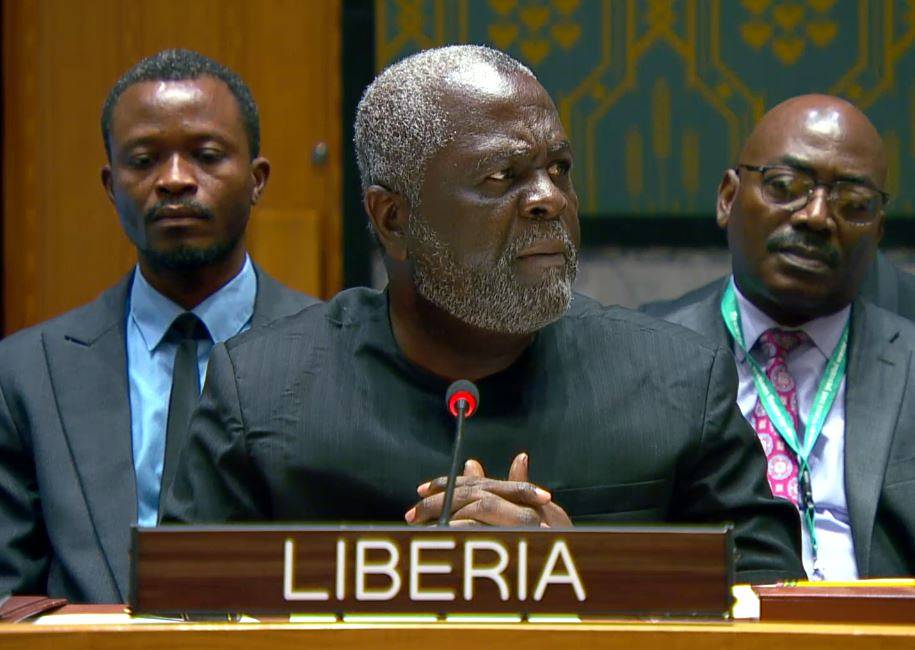
He warned that terrorist groups operating across the Sahel no longer seek merely to destabilise governments but increasingly aim to replace state authority altogether.
“A threat that adapts faster than our response will inevitably expand to consume all of us,” Brown said.
He urged the international community to strengthen subregional security cooperation by improving intelligence-sharing, reinforcing border management and enhancing the operational capacity of African security frameworks.
The Liberian envoy also called for predictable financing for African-led counter-terrorism initiatives and increased investment in strengthening the security capabilities of coastal West African countries before extremist violence spreads further south.
“We cannot wait for the Sahelian fire to cross our borders before deploying the extinguishers,” he warned.
Pakistan’s Permanent Representative to the United Nations, Ambassador Asim Iftikhar Ahmad, also stressed the need for stronger international cooperation to prevent terrorist groups from exploiting ungoverned spaces.
He called for enhanced border security, closer collaboration among UN member states and intensified efforts to disrupt terrorist financing.
“We must also disrupt terrorist financing, including through encrypted channels such as digital wallets, virtual assets and cryptocurrencies,” he said.
Throughout the meeting, Security Council members underscored the growing challenges posed by foreign terrorist fighters, online radicalisation and the rapid adoption of emerging technologies by extremist organisations.
They urged countries to deepen intelligence-sharing, strengthen sanctions enforcement, tighten oversight of digital technologies, improve financial investigations, enhance victim support and provide sustained assistance to frontline states battling terrorism.
The Council concluded that stronger international cooperation will be essential to preventing a resurgence of ISIL and its affiliates, particularly in Africa, where insecurity, weak institutions and humanitarian crises continue to provide fertile ground for extremist groups to expand.