Skip to content

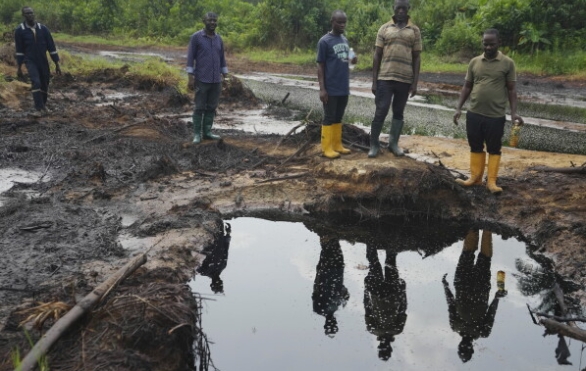

A major oil spill in Bayelsa State has sparked a sharp disagreement between indigenous energy company, Oando Energy Resources, and its host community in Azuzuama, Southern Ijaw Local Government Area, over the cause of oil spill.
The rising contention between the company and the community, sources say, is threatening to stall efforts to resolve the environmental impact of the spill.
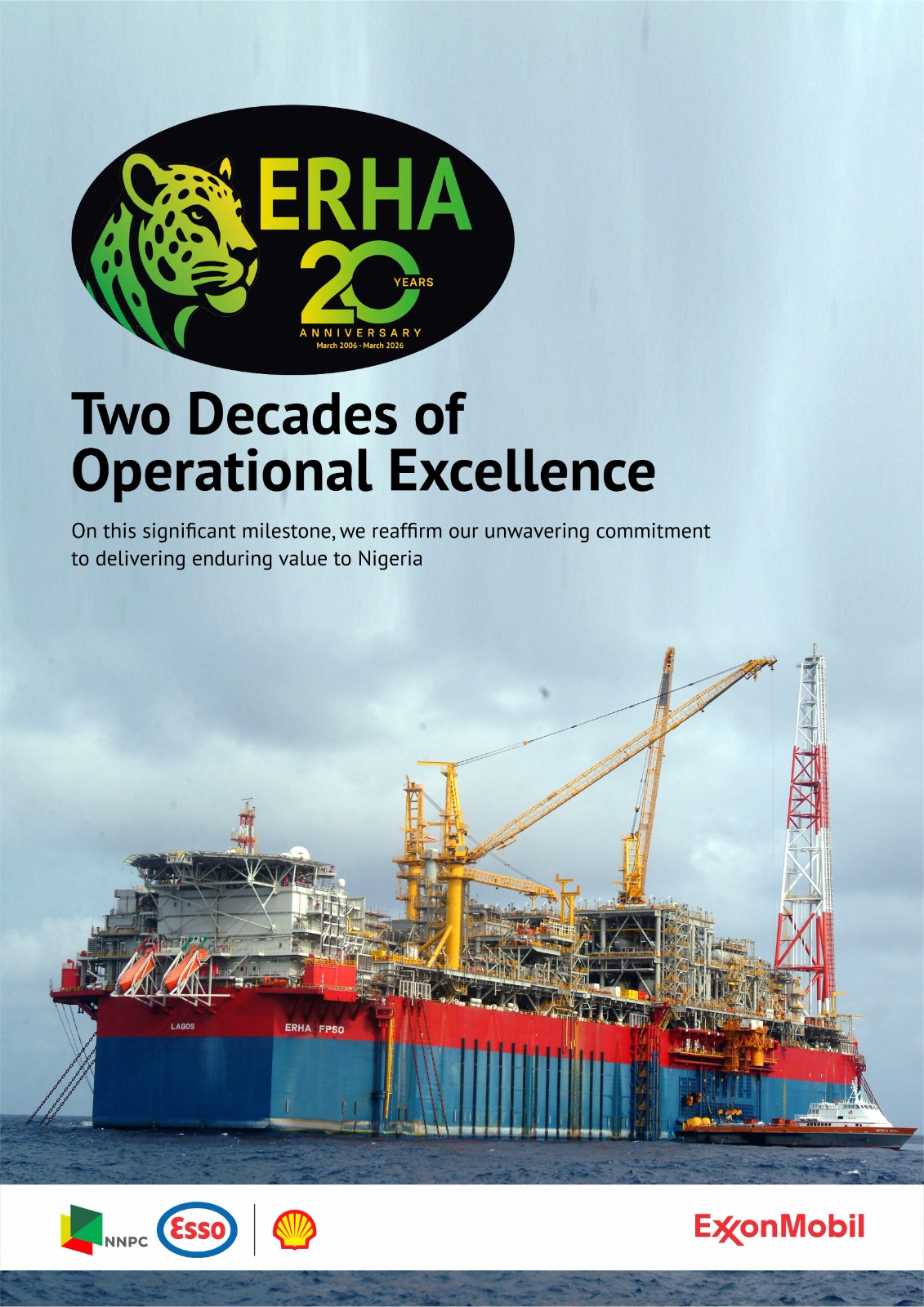
The dispute centres on findings from the statutory Joint Investigation Visit (JIV) conducted after the spill, which occurred on June 25 along the NNPC/Oando Joint Venture’s six-inch Azuzuama-Tebidaba crude oil flowline.
While regulators and the operator have attributed the spill to third-party interference, leaders of the host community insist the incident resulted from equipment failure and pipeline corrosion, accusing the investigation team of reaching an erroneous conclusion.
According to a report by the News Agency of Nigeria (NAN), the disagreement has widened the gulf between the company and the community, with both sides refusing to accept each other’s account of what caused the spill.
A field report prepared by the Environmental Conservation Agriculture and Rural Development (ECARD), which participated in the investigation, concluded that the pipeline rupture was caused by “induced corrosion” associated with acts of sabotage.
Supporting the findings, the Director of Petroleum and Pollution in the Bayelsa State Ministry of Environment, Mr. Reuben Enai, who also took part in the Joint Investigation Visit, maintained that physical examination of the damaged section of the pipeline indicated deliberate external interference.
According to Enai, inspectors observed marks suggesting the use of acid to deliberately weaken the upper section of the pipeline.
He argued that natural corrosion could not have produced damage at the “12 o’clock” position or the top section of the pipe, reinforcing the conclusion that sabotage rather than operational failure caused the rupture.
However, the Azuzuama community has strongly rejected the findings.
Chairman of the Azuzuama Community Development Committee (CDC), Mr. Angasei Perediseghebofa, described the outcome of the Joint Investigation Visit as fundamentally flawed and lacking credibility.
He argued that the visibly rusted condition of the exposed pipeline pointed to long-term corrosion and equipment deterioration rather than deliberate sabotage.
Perediseghebofa also questioned the integrity of the investigative process, alleging that testing equipment deployed by Oando malfunctioned during the inspection, making it impossible to accurately determine the true cause of the spill.
According to him, reliance on faulty equipment undermined the credibility of the investigation and its conclusions.
Backing the CDC chairman, the committee’s Vice Chairman, Uyabara Boneghen, also challenged the reliability of the testing devices used during the exercise.
Boneghen further drew attention to what he described as a second environmental threat—a separate underwater leak beneath a platform—which he said was accompanied by bubbling gas but was not investigated during the Joint Investigation Visit.
He warned that failure to examine the additional leak could leave another source of hydrocarbon pollution unchecked.
The Joint Investigation Visit is a statutory procedure undertaken after every oil spill to determine the cause of the incident, estimate the volume of crude discharged and assess the extent of environmental damage.
However, observers say the sharply divergent positions adopted by regulators, the operating company and representatives of the host community have effectively rendered the investigation inconclusive.
Environmental experts have therefore urged Oando to immediately contain the spill, commence remediation of contaminated land and waterways, and repair the reported underwater leak to prevent further pollution of the community’s rivers and fishing grounds.
They also recommended a separate technical investigation into the alleged underwater leak to establish its cause and prevent prolonged hydrocarbon discharge capable of causing additional environmental and economic damage to the oil-producing community.