Skip to content

DisCos accuse NERC of ‘power grab’ as new CapEx provision accounts framework takes off

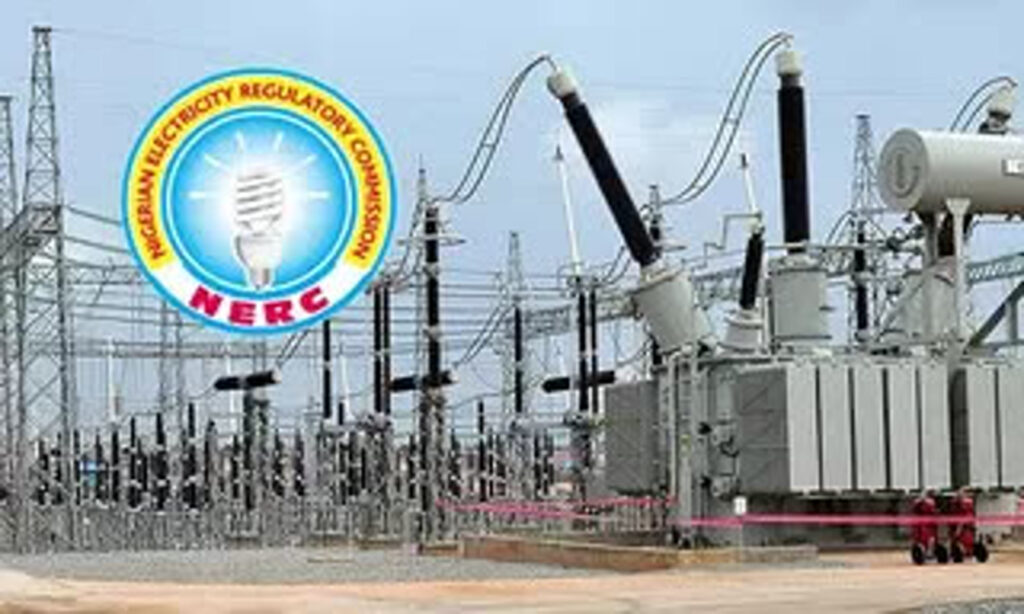
Electricity Distribution Companies (DisCos) have rejected the fresh order by the Nigerian Electricity Regulatory Commission (NERC) requiring them to establish dedicated Capital Expenditure (CapEx) Provision Accounts into which a substantial portion of their residual revenues must be paid after offsetting operating expenses.
According to the DisCos, the NERC directive goes beyond the commission’s statutory oversight role by effectively taking control of how privately-owned utilities deploy their revenues.

The NERC through its Order No. NERC/2026/062, which came into effect on July 1, 2026, has mandated DisCos to establish dedicated Capital Expenditure (CapEx) Provision Accounts into which a substantial portion of their residual revenues must be paid after settling upstream market invoices and administrative operating expenses.
Although NERC said the measure was designed to ensure greater investment in electricity distribution infrastructure, improve service quality and strengthen financial discipline within the Nigerian Electricity Supply Industry (NESI), DisCos contend that the order amounts to regulatory overreach and could undermine the financial viability of the distribution firms.
Under the new framework, DisCos without outstanding market debts are required to remit 70 per cent of their earned non-administrative operating expenditure into the dedicated CapEx Provision Account, and retaining only 30 per cent for their operations.
For DisCos with outstanding market debts, the order is more stringent, the NERC order showed 25 per cent of the residual revenue must be paid to the Nigerian Bulk Electricity Trading Plc (NBET) to offset outstanding obligations, with another 25 per cent to the Market Operator (MO), 35 per cent into the CapEx Provision Account, leaving only 15 per cent for the company’s operational use.
Where a DisCo owes only one of either NBET or the Market Operator, the share that would otherwise have gone to the other institution is also to be transferred into the CapEx account.
Furthermore, the order stipulates that funds lodged in the CapEx Provision Account can only be utilised for NERC approved Performance Improvement Plan (PIP) projects.Before any expenditure can be made, DisCos must obtain a “No Objection” from the commission for eligible projects, secure another approval before contract awards, and obtain fresh approval before every payment milestone throughout project execution, it was learnt.
However, reacting to the new operational framework, some DisCos have questioned the rationale behind the regulation.
“This Order does not regulate, it manages, it assumes control and takes over the role of the boards of DisCos. There is a fundamental difference. By mandating exactly where a DisCo’s earned revenue must go, in what percentages, into what specific accounts, and with regulatory approval required before a single naira of it can be spent, NERC has stepped out of its regulatory role and into the role of a financial controller of private companies.
“It is not enforcing rules, it is making operational and financial decisions that belong to the boards and management teams of privately owned companies.
“The DisCos were privatised. Their revenues are private earnings, not public funds held in trust for NERC. A regulator can say, ‘you must invest X amount in your network,’ that is a performance obligation, which is legitimate regulation.
“But a regulator that says, ‘we will decide which account your money sits in, and you must ask us for permission before you spend it,’ has crossed from regulation into administration of the business,” a top personnel of a DisCo said.
“Moreover, NERC is clearly opening the door for rent-seeking, because contractors will simply flood their offices to influence who gets what job in the DisCos.
“This to us appears more like a power grab by NERC which has been forced to devolve a lot of its powers to state electricity regulatory agencies since the passage of the Electricity Act, 2023. Otherwise, how can this be explained?” Asked another DisCo.
In addition, DisCos with outstanding upstream obligations have been directed to conclude reconciliation with NBET and the Market Operator within 180 days and agree on debt repayment plans subject to NERC’s approval.
Meanwhile, the NERC justified the order by citing findings from its review of DisCos’ utilisation of earned non-administrative operating expenditure during the 2025 market cycle.
According to the commission, although several DisCos struggled to meet upstream payment obligations, some generated sufficient revenues to cover administrative expenses and recover significant portions of other approved tariff components.
The regulator argued that given the persistent challenges faced by DisCos in accessing external financing, it had become necessary to ensure that available resources were channelled towards network rehabilitation, expansion and improved reliability of electricity supply.
NERC maintained that the directive derives its authority from Sections 34(1) and 116(2) of the Electricity Act, 2023, which empower it to promote an efficient electricity industry, ensure optimal utilisation of sector resources and guarantee that tariffs remain sufficient to support prudent investment.
The commission added that the order would help enforce capital investment obligations embedded in tariff orders, accelerate feeder rehabilitation projects and complement ongoing interventions under the World Bank funded Distribution Sector Recovery Programme (DISREP) and the Presidential Metering Initiative (PMI).
DisCos argue that while regulators are empowered to establish investment obligations and enforce compliance through licence conditions and sanctions, directing how private companies must warehouse and spend their revenues amounts to assuming management functions reserved for company boards.
They contend that revenues earned by DisCos are private corporate funds and not public resources held in trust for the regulator, drawing a parallel between the Central Bank of Nigeria (CBN) and what NERC is doing with DisCos.
Some power utilities also warned that locking between 70 per cent and 85 per cent of residual revenues into restricted accounts could weaken operational flexibility, impair emergency response capabilities and make it more difficult for DisCos to attract commercial financing, as lenders may perceive greater regulatory risk.
Beyond the commercial implications, legal concerns have also been raised over the process leading to the issuance of the order.Some stakeholders argue that Section 48(1) of the Electricity Act, as well as Sections 7(3) and 24 of NERC’s Business Rules, require consultation with licensees, affected persons or the public before decisions materially affecting them are taken.
They further contend that Section 36 of the Constitution guarantees the right to fair hearing in matters affecting civil rights and obligations, arguing that any regulatory action taken without due consultation could be vulnerable to legal challenge.
These sections of the Act, the utilities contend, were clearly ignored by NERC as the DisCoswere not consulted before the NERC issued its new Order.