Skip to content

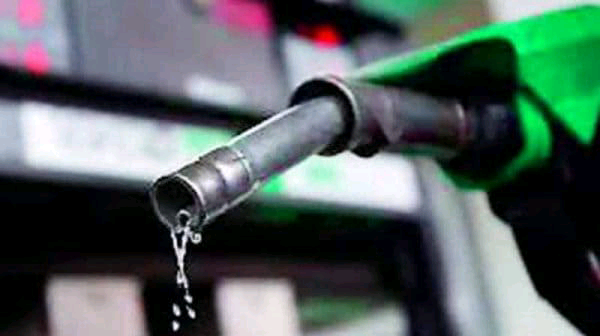
Petrol retailers back NMDPRA on import license policy to drive down pump prices of product

Petroleum Products Retail Outlets Owners Association of Nigeria (PETROAN) has thrown its weight behind last month’s decision by the Nigerian Midstream and Downstream Petroleum Regulatory Authority (NMDPRA) to issue import licences to six marketers.
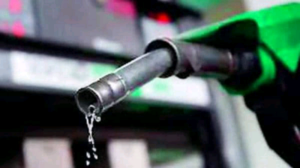
The group noted that increased competition among suppliers would help moderate prices, discourage monopolistic tendencies, and ensure a steady supply of petroleum products across the country.
According to the group, competition remains one of the most effective mechanisms for driving efficiency, reducing costs, and protecting consumers, just as it noted that a competitive market environment would encourage all market participants to review their prices downward in line with prevailing market realities.
This is also as the group appealed to refiners, depot owners and petroleum products importers to immediately adjust their prices downward in line with the recent decline in global crude oil prices.
It said that the adjustment would enable Nigerian consumers to benefit from the easing market conditions.
The association said the drop in international crude prices presents a clear opportunity for operators in the downstream petroleum sector to reduce both ex-depot and retail pump prices, providing much-needed relief to households and businesses grappling with economic pressures.
In a statement issued, Wednesday, the PETROAN National President, Billy Gillis-Harry, said the realities of the international oil market should be reflected in local petroleum pricing.
“Brent crude has fallen to approximately $77 to $78 per barrel following the ceasefire agreement between the United States and Iran and expectations that oil exports through the Strait of Hormuz will gradually normalise,” read the statement signed by the association’s National Public Relations Officer, Joseph Obele.
“Market analysts have noted that crude oil prices are currently under downward pressure, although geopolitical risks remain. Current projections suggest that Brent crude may trade within the range of $75 to $82 per barrel next week, while West Texas Intermediate (WTI) crude is expected to trade between $72 to $79 per barrel.
The association expressed concern that imported petroleum products are, in some cases, landing in Nigeria at costs lower than the prices offered by domestic refiners.
According to PETROAN, this development is surprising and underscores the need for a more competitive downstream petroleum market that guarantees consumers access to the most affordable products available.
The group further noted that a competitive market environment would encourage all market participants to review their prices
downward in line with prevailing market realities.
In a bid to further encourage competition that will benefit consumers, PETROAN also called on the Group Chief Executive Officer of NNPC Limited, Engr. Bayo Ojulari, to facilitate talks with the two Chinese firms that have expressed interest in operating the Port Harcourt and Warri Refineries.
Prince Billy Gillis-Harry stated that if these refineries are successfully revived and operated as private-sector-driven facilities, petroleum product prices are expected to decline
further due to improved efficiency and increased domestic refining capacity.
He added that the resumption of operations at the Port Harcourt and Warri Refineries under competent private management would enhance supply stability, promote healthy competition, and ultimately lead to more affordable petroleum products for Nigerians.
“For Nigeria, sustained moderation in crude oil prices, coupled with stable exchange rates and refining costs, should support lower petrol prices and provide relief to consumers and businesses facing economic challenges,” it added.
It would be recalled that the NMDPRA had, last May, issued import licences to six major marketers amid scarcity and high cost of the commodity in the market.
The move attracted the displeasure of the Dangote Refinery management which subsequently sued the federal government for what it called ‘inconsistent policy’ and breach of agreement.
The NMDPRA in what was described as a notable shift in the country’s downstream petroleum policy, granted six major marketers permits to import a combined total of 720,000 metric tonnes of Premium Motor Spirit (petrol) into Nigeria.
The beneficiaries include; NIPCO, AA Rano, Matrix, Shafa, Pinnacle, and Bono.
According to allocation details, NIPCO is expected to import 120,000 metric tonnes; AA Rano, 150,000 metric tonnes; Matrix, 150,000 metric tonnes; Shafa, 120,000 metric tonnes; Pinnacle, 120,000 metric tonnes; and Bono, 60,000 metric tonnes.
The recently-appointed NMDPRA boss Rabiu Umar had told the senate committee, during his screening, that one of his aims is if confirmed for the job is to work towards ensuring petrol supply security in the downstream sector.
The issuance of the import licenses came amid claims by the Dangote Refinery of capacity to meet domestic demand of petrol in Nigeria.
Meanwhile, in its May report, the NMDPRA had attributed the spike in imported petrol as evidence of Nigeria’s ‘strategic transformation in the energy sector, emphasising reduced imports, strengthened domestic production, job creation, safety improvements, and economic stability,’ the fact sheet read.