Skip to content

WHO warns of persistent access gaps in global blood safety

Frank Okon
The World Health Organization has reported significant progress in global blood safety and donation systems but warned that millions of people in low- and middle-income countries still face difficulties accessing lifesaving blood and blood products because of persistent shortages, weak governance and inadequate financing.

In a new report released ahead of World Blood Donor Day on June 14, WHO said access to safe blood remains deeply unequal despite decades of improvements in blood collection, testing and transfusion services worldwide.
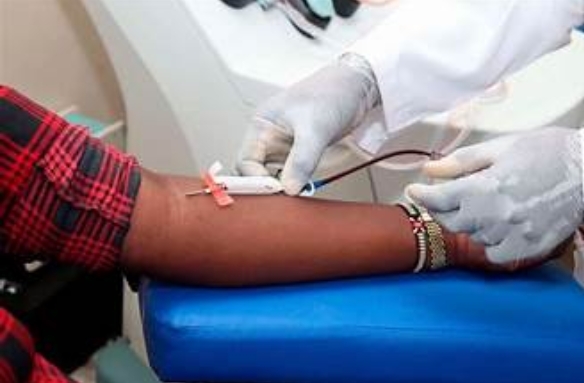
The report, which draws on data from 168 countries representing 97 per cent of the global population, found that more than 85 per cent of blood donations globally now come from voluntary unpaid donors, a development WHO described as a major milestone in strengthening safe and sustainable blood supplies.
According to the organization, many countries have made substantial progress in building stronger national blood systems and expanding access to safe transfusions. However, it noted that shortages continue to threaten lives in many parts of the world, particularly in lower-income countries where blood services often struggle with limited resources and institutional challenges.
WHO Director for Medicines and Health Products Policies and Standards, Deusdedit Mubangizi, said access to adequate blood supplies remains a critical component of healthcare delivery and universal health coverage.
“Access to sufficient, secure supplies of blood and blood products, coupled with safe transfusion practices, is a fundamental component of resilient health systems and a critical enabler of universal health coverage,” Mubangizi stated in the report.
He added that although notable progress had been achieved over the past decade, universal access to safe blood and blood products remained beyond the reach of many countries.
WHO noted that a reliable blood supply is essential for treating a broad range of medical conditions, including severe bleeding during childbirth, emergency surgical procedures, accident-related injuries, cancer treatment, chronic blood disorders and severe anaemia.
The organization also highlighted the importance of donated plasma, the liquid component of blood, which is used in the production of medicines for patients suffering from bleeding disorders, immune deficiencies and other serious health conditions.
According to WHO, the absence of safe blood supplies can lead to preventable deaths among patients whose conditions would otherwise be treatable.
The report examined the entire blood transfusion chain, including donor recruitment, blood collection, laboratory testing, clinical use and access to plasma-derived medicinal products.
Among the major challenges identified were inadequate governance structures and unsustainable financing mechanisms, which WHO said continue to undermine national blood services in many countries.
The organization also pointed to ongoing efforts to diversify plasma collection and strengthen global supply chains for plasma-derived medicinal products, noting that such treatments remain inaccessible or unaffordable in many parts of the world.
WHO stressed that achieving equitable access to blood and blood products will require sustained political commitment, stronger national systems and continued international cooperation.
This year’s World Blood Donor Day is being marked under the theme, “One Drop of Humanity. Give Blood. Save Lives.” WHO said the campaign seeks to encourage regular voluntary blood donation while promoting the values of solidarity, compassion and shared responsibility that underpin safe blood systems globally.
The organization maintained that while progress in blood safety has been encouraging, significant work remains to ensure that every patient, regardless of location or income level, has timely access to safe blood when it is needed most.