Skip to content


Falcon marks 32 years of impact in Nigeria’s gas sector

Ziggy Ojiegbe
Falcon Corporation Limited, one of Nigeria’s longest-serving indigenous gas and energy infrastructure companies, is marking 32 years of uninterrupted operations, a milestone the company says reflects not only its resilience but also its readiness for a new phase of growth and market expansion.
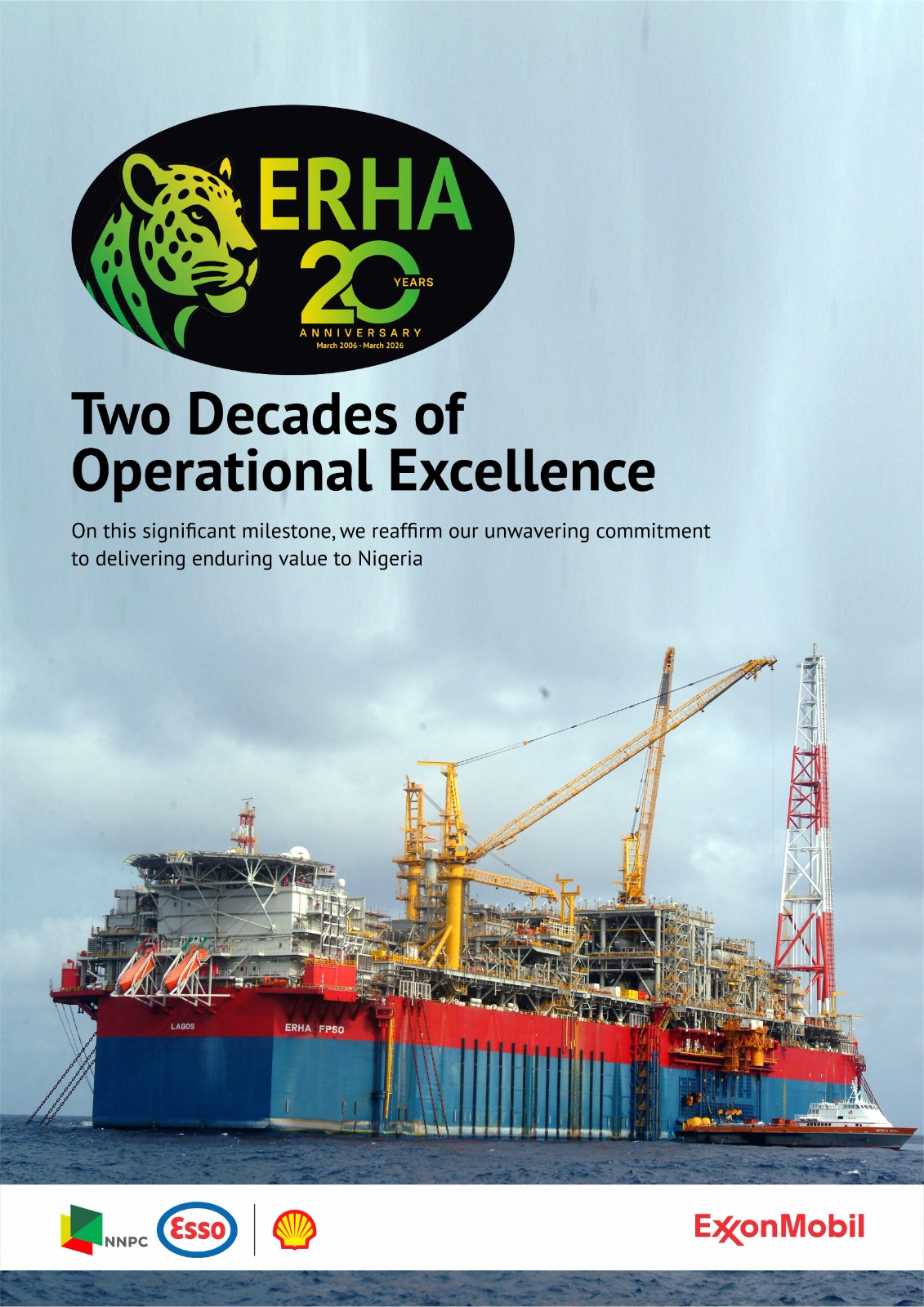
Established in 1994, Falcon has evolved from a local gas distribution company into a significant player in Nigeria’s midstream and downstream gas industry, building critical infrastructure and expanding its footprint across key segments of the domestic energy market.
Over the past three decades, the company has developed licensed gas distribution networks, established logistics capabilities, invested in an LPG tank farm and jetty facility, and maintained a strong operational presence in Ikorodu, Lagos, one of the country’s major industrial hubs. Those investments, according to the company, now provide the platform for further expansion as Nigeria intensifies efforts to increase domestic gas utilisation and deepen energy access.
Speaking on the milestone, Chief Executive Officer of Falcon Corporation, Audrey Joe-Ezigbo, said the anniversary offered an opportunity to reflect on the company’s achievements while focusing on future opportunities.
“As we reflect on how far we have come since 1994, it is also important that we take a moment to recognise the scale of what has been built,” she said.
“Today, Falcon is a respected and established brand within our industry. That reputation has not come easily; it has been earned over time through consistent delivery, responsible operations and a commitment to operational excellence.”
Operating in a sector historically dominated by multinational corporations and characterised by fluctuating market conditions, Falcon has sustained its growth by focusing on operational discipline, community engagement and strategic execution. The company’s financial standing has also been reinforced by an ‘A’ long-term and ‘A1’ short-term credit rating from Agusto & Co., a distinction that places it among a relatively small group of indigenous energy firms with strong institutional credibility.
The company’s growth ambitions come at a period of significant transformation in Nigeria’s energy landscape. Government policies aimed at expanding domestic gas utilisation, coupled with growing demand for liquefied petroleum gas (LPG) across underserved markets, have created new opportunities for infrastructure development and market penetration.
Industry analysts note that despite Nigeria’s vast gas reserves, substantial infrastructure gaps remain between supply and end-users. Companies with established operational capacity and distribution assets are therefore expected to play an increasingly important role in bridging that gap.
Joe-Ezigbo attributed Falcon’s longevity to a combination of strategic infrastructure investment and the dedication of its workforce.
According to her, the company has invested billions of naira in infrastructure development over the years, creating assets and capabilities that support not only its operations but also the broader energy ecosystem.
She said Falcon’s activities have generated thousands of direct jobs and supported hundreds of thousands of indirect livelihoods, contributing to economic growth and stability in the communities where it operates.
Beyond its commercial activities, she noted that the company has actively participated in industry advocacy and policy discussions aimed at promoting a more structured and sustainable gas sector.
“We have played an active role in shaping the industry itself, supporting gas advocacy, contributing to policy conversations and helping to advance the development of a more structured and sustainable energy sector, whilst impacting communities, supporting enterprise and enabling access in ways that extend beyond our immediate operations,” she said.
“More importantly, we have done all of this while building a business that is resilient, credible and positioned for the future.”
As debates around energy transition continue to gain momentum globally, natural gas is increasingly being promoted as a transition fuel capable of supporting industrialisation while reducing dependence on more carbon-intensive energy sources. In Nigeria, where energy access remains a major development challenge, gas is widely viewed as a critical component of the country’s economic and industrial strategy.
Against that backdrop, Falcon’s combination of established infrastructure, financial strength, industry experience and community engagement is positioning the company to benefit from the next phase of growth in the domestic gas market.
Founded in 1994, Falcon Corporation Limited operates across Nigeria’s midstream and downstream gas sectors, providing gas distribution services to industrial and commercial customers in Ikorodu, Lagos. The company has also expanded into LPG trading, distribution and storage infrastructure and is involved in the Optimera project, which supplies gas distribution services within the Lagos Free Zone.
After 32 years in operation, Falcon’s trajectory mirrors the broader evolution of Nigeria’s indigenous gas industry—from a relatively small domestic market to an increasingly strategic sector expected to play a central role in the country’s energy future.