Skip to content

BOI’s 7% interest guaranteed loan scheme for West African women will boost SMEs

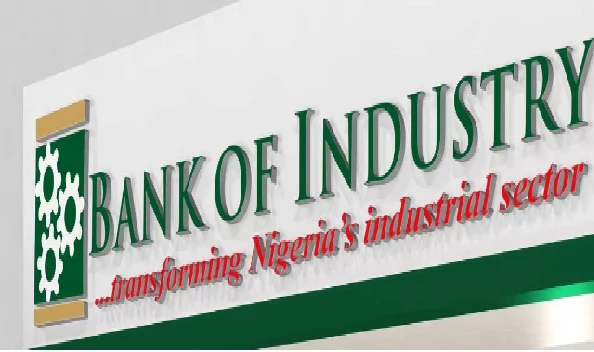
Bank of Industry (BOI) has said that its Guaranteed Loan (GLO), which charges an annual interest rate of 7% for businesses owned by women in West Africa, will boost Small and Medium Enterprises (SMEs) in the region.
Managing Director of the BOI, Dr Olasupo Olusi, disclosed this during the Executive Masterclass organised by the ECOWAS Female Parliamentarians Association (ECOFEPA) in collaboration with WATEX, which focused on women in trade and export, as part of the ongoing First Ordinary Session of the ECOWAS Parliament that commenced in Abuja on May 4.
Represented by Ogo Ifeoma Akabuogu, Head of North Central operations of the bank, the BOI boss noted that the bank is determined to open opportunities for digital inclusion, market access, and access to finance, thereby empowering women in critical sectors to grow their businesses and boost the trade and investment potential of the region.
Dr Olusi described women’s empowerment as both a social imperative and an economic necessity for sustainable growth and shared prosperity in the ECOWAS region.
“Do not look down on yourself. Know that prosperity is out there. After this masterclass, let something in you be activated to aim higher,” he told participants.
The ECOFEPA Masterclass, with the theme “Advancing Women Partnership in Global Trade and Export Market” was organised to strengthen support systems that empower women entrepreneurs and traders across West Africa.
Speaker of the ECOWAS Parliament Memounatou Ibrahima, in her address to the participants, described women traders as “day-to-day heroes” who sustain markets, feed families and preserve social cohesion across the region despite difficult trading conditions and limited institutional support.
According to her, many women engaged in cross-border commerce continue to face barriers, including high compliance costs, inadequate infrastructure, limited access to finance and weak policy protection.
She stressed the need for continuous capacity-building initiatives such as the executive masterclass, noting that the programme would equip women with the knowledge and tools required to negotiate better contracts, improve advocacy, and access regional and international markets.
“May women not only be present in commercial trade, but be architects at the forefront. May women not be passive beneficiaries, but the main actors in the economic transformation of ECOWAS,” she stated.
Earlier in her keynote presentation, trade expert Prof. Ngozi Egbuna said prosperity that excludes women remains incomplete and unsustainable, insisting that women are central to regional economic growth and industrialisation.
She observed that although women dominate informal cross-border trade and contribute significantly to agricultural value chains and digital commerce, they remain largely excluded from formal export systems and trade policy processes.
She added that democratising prosperity across ECOWAS requires dismantling the barriers confronting women traders by simplifying trade procedures, implementing digital customs systems, adopting gender-responsive border policies, and improving access to financing.
Prof. Egbuna, however, called for innovative financing models, export credit systems and targeted trade support mechanisms for women-owned businesses, stressing that financial inclusion should be treated as an economic strategy rather than charity.