 Skip to content

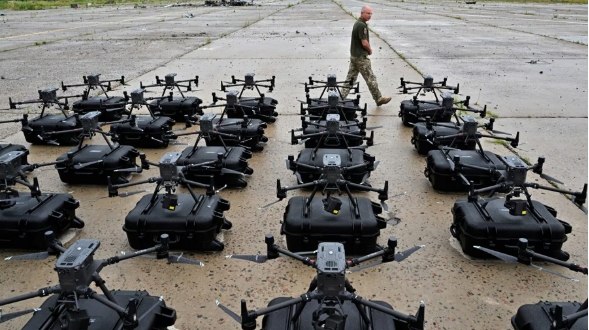
Ukraine trades battlefield expertise as Gulf states cope with Iranian drones

Ziggy Ojiegbe
As Iranian drones and missiles strike targets across the Gulf, Volodymyr Zelensky is positioning Ukraine as an unlikely but increasingly relevant defense partner, signing multi-year agreements that could reshape Kyiv’s role in the global arms market.

During a fast-paced regional tour that included Saudi Arabia, Qatar and the United Arab Emirates, Zelensky promoted Ukraine’s wartime-tested air defense systems, particularly its drone interception technology developed under constant Russian bombardment. He claimed Ukraine has “undoubtedly changed the geopolitical situation” in the Middle East by offering capabilities few others can match.
Ukraine’s pitch is rooted in experience. For more than four years, its forces have defended against waves of Russian drones, many modeled on Iranian-designed Shahed systems now being used by Tehran and its allies in the Middle East. Kyiv says it has managed to intercept the majority of incoming threats, relying increasingly on low-cost drone-on-drone tactics that have drawn global attention.
That expertise is now being exported. Zelensky said Ukraine has signed a 10-year defense cooperation agreement with Saudi Arabia and a similar deal with Qatar, with another expected in the UAE. The arrangements are believed to include joint drone production, technical training and long-term security collaboration, though full details remain undisclosed.
While Zelensky framed the deals as a strategic breakthrough, their broader geopolitical impact is less clear. His claim of reshaping the Middle East may be overstated, but the agreements do highlight a shift: Ukraine is moving from a war-dependent recipient of aid to an emerging supplier of military technology, even as it remains locked in conflict with Russia.
Financially, the stakes are significant. Zelensky said the agreements are worth “billions, not millions,” offering a potential lifeline to Ukraine’s strained economy and defense industry. Domestic manufacturers say demand from the Gulf has surged since regional fighting escalated, giving them an opportunity to scale production.
Still, the strategy carries risks. Ukraine is entering a competitive and politically sensitive global arms market for the first time, and questions remain about what Kyiv receives in return beyond revenue. Zelensky has also indicated interest in securing long-term energy deals with Gulf producers, as Russian strikes continue to damage Ukraine’s power infrastructure.
There are also concerns at home. Some military figures have questioned the optics and ethics of exporting weapons during an active war, warning of a disconnect between profit and sacrifice on the front lines. Industry leaders counter that export revenue will ultimately strengthen Ukraine’s own war effort by funding increased production.
Analysts caution that turning battlefield success into lasting geopolitical influence will not be easy. Ukraine’s technology may be in demand, but building durable defense partnerships requires more than urgency and shared threats.
For now, Kyiv is betting that hard-earned wartime innovation can translate into both economic gain and strategic relevance far beyond Eastern Europe, even if its immediate impact on the Middle East balance of power remains limited.


