Skip to content

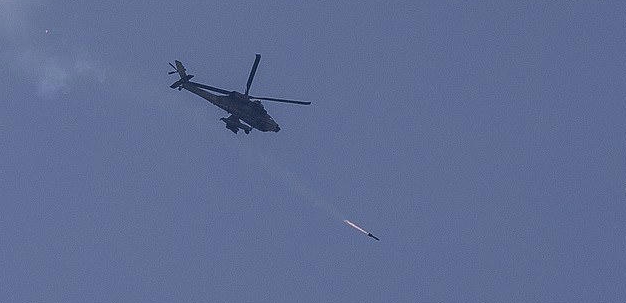
Israel bombs out Iran navy chief to cap a wave of elite killings

Sopuruchi Onwuka
Israel has killed the head of Iran’s Revolutionary Guards navy, Alireza Tangsiri, in a strike that underscores a broader campaign targeting the core of Tehran’s military and political leadership.

In a video statement, Israeli Defence Minister Israel Katz said the operation was “precise and lethal,” adding that Tangsiri and other senior naval officers were eliminated overnight. He accused Tangsiri of orchestrating efforts to mine and block the Strait of Hormuz, one of the world’s most critical shipping routes.
The strike is the latest in a series of high-level assassinations that have reshaped Iran’s leadership since the war began on February 28.
Israel, with U.S. backing, has systematically targeted the upper ranks of Iran’s power structure. Among those reported killed are Supreme Leader Ali Khamenei, whose death marked a dramatic escalation at the outset of the conflict, as well as senior security figures including Ali Larijani and top commanders of the Revolutionary Guards and Basij militia.
Multiple reports indicate that more than a dozen senior officials across Iran’s military, intelligence and political hierarchy have been killed in targeted strikes, effectively decapitating much of the country’s traditional command structure.
Despite the losses, Iran’s system has not collapsed. Power has shifted more heavily toward the Islamic Revolutionary Guard Corps (IRGC), which has activated a decentralized command structure designed to withstand exactly this kind of leadership attrition.
The killing of Tangsiri fits squarely into that strategy. As head of the IRGC navy, he oversaw operations in the Strait of Hormuz, through which roughly a fifth of global oil supplies pass. Since the war began, Iran has tightened its grip on the waterway, disrupting shipping and contributing to a surge in global oil prices.
Israeli strikes in recent days have increasingly focused on Iran’s naval assets, including attacks on vessels and missile-equipped ships, in an effort to weaken Tehran’s ability to threaten maritime traffic.
At the same time, the military escalation is unfolding alongside fragile diplomatic efforts. Iran is reviewing a U.S. proposal aimed at ending the war, though officials in Tehran have publicly dismissed the idea of negotiations and set out sweeping demands, including the removal of U.S. bases from the region and full sanctions relief.
For now, the battlefield strategy is clear: Israel is continuing to target Iran’s leadership and military infrastructure in an attempt to degrade its ability to wage war, even as the risk to global energy flows and regional stability continues to rise.