Skip to content

Allies eye post-war mission to protect Strait of Hormuz

Ziggy Ojiegbe
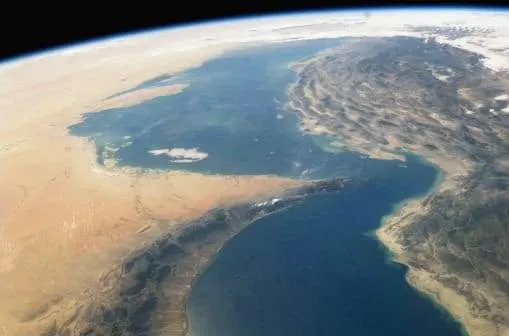
G7 nations have reaffirmed a unified commitment to safeguard maritime security in the Strait of Hormuz, pushing back against Iran’s emerging plan to impose tolls and tighten control over the critical global shipping route.

Meeting in France, foreign ministers from the group of major industrialized economies stressed that freedom of navigation through the narrow waterway must be preserved, even as the conflict involving the United States, Israel and Iran continues to disrupt global energy flows.
The resolve comes amid growing concern that Tehran is seeking to reshape control of the strait by introducing fees on vessels passing through it — a move widely viewed by Western allies as a challenge to international maritime law and a threat to global trade.
The Strait of Hormuz, which carries roughly a fifth of the world’s oil supply, has been effectively choked by the conflict, with shipping severely reduced and insurers unwilling to cover vessels navigating the high-risk zone.
Against that backdrop, G7 countries signaled readiness to act collectively to ensure the waterway remains open and secure. While stopping short of immediate military intervention, they outlined plans for a multinational maritime mission to escort ships and protect commercial traffic once active hostilities subside.
French Foreign Minister Jean-Noël Barrot said there was broad international consensus that global waterways cannot be restricted, particularly by conflicts involving a limited number of actors. He emphasized that any future mission would operate within international law and in a strictly defensive capacity.
The stance reflects a careful balance. European powers remain wary of entering an active conflict zone but are increasingly aligned with Washington on the need to prevent Iran from turning the strait into a controlled or pay-to-pass corridor.
U.S. President Donald Trump has been pressing allies to prepare for such a mission, warning that the global economy cannot afford a prolonged disruption or the normalization of restrictions on one of its most vital energy arteries.
Iran, however, has signaled it is willing to leverage its geographic advantage. Officials have floated plans to formalize control over the strait, including charging transit fees and restricting passage to vessels deemed “non-hostile,” moves that have further alarmed global markets and policymakers.
The G7’s message is clear: regardless of Tehran’s intentions, the Strait of Hormuz must remain a free and secure international passage — and the world’s leading economies are preparing to enforce that principle if necessary.
As oil prices surge and supply chains strain, the outcome of this standoff could shape not only the trajectory of the conflict, but the future rules governing one of the world’s most important maritime chokepoints.