Skip to content


- Laments $1bn/day war in Iran
Frank Okon
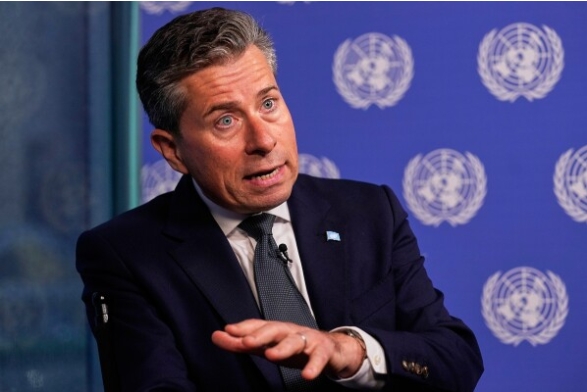
Some 87 million people worldwide face the risk of death unless the international community urgently provides more than $14 billion in humanitarian aid, the United Nations emergency relief chief warned Thursday.
Speaking in Geneva, Tom Fletcher said that conflicts across the globe, particularly in the Middle East, are driving an escalating humanitarian crisis while aid funding falls dangerously short. He described the situation as a “moment of grave peril” and said that without immediate support, millions could die.
The UN’s $23 billion humanitarian appeal, launched in December to assist the world’s most vulnerable, remains about two-thirds underfunded. Fletcher said that even a portion of the required $1 billion per day being spent on Middle East conflicts could save millions of lives.
The emergency relief chief highlighted the economic and humanitarian ripple effects of the ongoing Middle East war, including mass displacement and soaring costs for food, energy, and fertilizers.
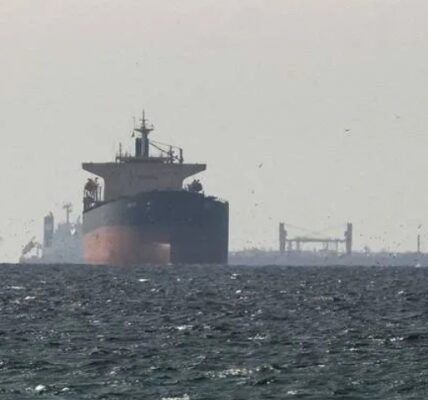
The March 2 closure of the Strait of Hormuz, a key shipping route responsible for about 20 percent of global oil supply, has compounded these challenges, disrupting supply chains and affecting aid delivery to vulnerable populations in regions including sub-Saharan Africa.
Fletcher identified Gaza Strip and Sudan as areas with the most urgent needs. He also warned that aid workers are increasingly at risk, citing recent fatalities in Sudan, Lebanon and the Democratic Republic of the Congo.
“This is a tough moment for humanitarian action,” Fletcher said. “We are overstretched, under sustained attack and under-resourced, but we refuse to retreat from our principles and we refuse to retreat from our mission.”
The UN Security Council met to discuss the escalating Middle East conflict, adopting a Bahrain-led resolution while a separate Russian proposal failed to secure enough votes. UN agencies continue to warn that rising displacement, strained services, and disruptions to trade and aid operations are worsening humanitarian needs worldwide.