Skip to content


Dangote flaunts fuel supply capacity, but price creates real gaps

- Disproves government’s supply figures
Sopuruchi Onwuka
Private refinery behemoth, Dangote Industries Limited, has declared that it has optimized its plant processing operations, increasing fuel production capacity beyond perceived national peak daily demand.
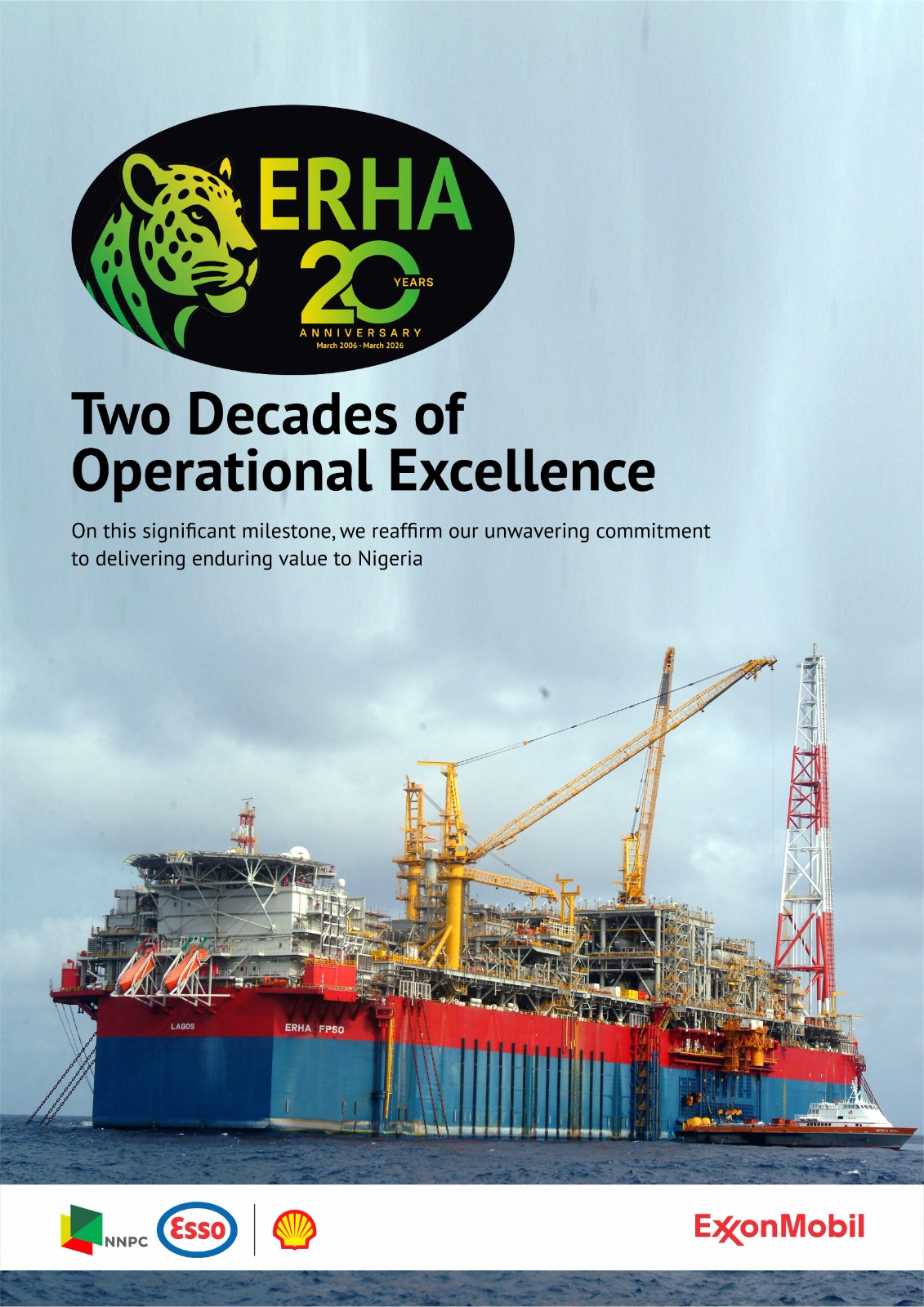
The company also stated that it now has spare production volumes for the export market.
But while the claims come as cheery news for domestic refinery capacity recovery and the potential to displace significant fuel import volumes and reduce pressure on the nation’s foreign exchange reserves, the company’s high fuel prices still create room for competition with fuel importers.
Dangote stated weekend that its refinery and petrochemical plants could supply between 60 and 65 million liters of petrol daily to meet national demand, boasting that it could support national fuel self-sufficiency while exporting up to 20 million liters in surplus.
Yet, the President of Dangote Group, Aliko Dangote, is quoted in a statement that distribution of the said fuel volumes remains limited to just a segment of the domestic fuel market.
According to the statement, “a structured offtake agreement has been concluded with selected marketers to ensure nationwide distribution and eliminate supply instability.”
The company also mentioned submission to the requirements by the Nigerian Midstream and Downstream Petroleum Regulatory Authority (NMDPRA) to expand offtake channels to comprise 11 marketing companies in the country.
Some of the companies were not in the
Some of the companies including the Nigerian National Petroleum Company (NNPC) Limited were not in the Dangote’s distribution franchise in the past, until series of clashes with the regulatory agencies led to removal of their leaders by the government.
The refinery estimated Nigeria’s average daily petrol consumption at between 50 and 60 million litres, about 15 million liters a day lower than the 75 million liters a day formerly quoted by the sacked Group CEO of Nigerian National Petroleum Company (NNPC) Limited, Mallam Mele Kyari during the period of subsidy regime.
The national demand figures were basis for calculating the rising fuel subsidy costs which led to suspension of fuel subsidy by the incumbent President Bola Tinubu and the attendant inflationary jumps in the economy.
Dangote alluded to a decisive break from decades of fuel import dependence and recurrent scarcity.
But Oracle Intelligence can confirm that high prices of Dangote’s fuel have continued to create commercial incentives for mass importation of cheaper fuels from foreign refineries, a situation that questions the real contribution of the refinery in taming cost of transportation in the domestic economy.
Despite a myriad of import associated costs including tanker charter, port and lightering charges, some importers still sell petrol cheaper than Dangote’s local refinery, amplifying the real cause of dispute in the market.
Dangote alluded to “structured model is designed to eliminate supply bottlenecks and curb speculative practices that have historically triggered disruptions,” but some market factions content that Dangote’s petrol remains astronomically high when benchmarked against international prices.
“If importers can charter tankers at $100,000 per day and sail for several days and yet beat a local refinery to the price war, then you begin to understand whey importation is still happening,” a sourced explained to Oracle Intelligence.
The source stated that European refiners whose demand has been cut by rising popularity of electric cars offer highly competitive supply rates to markets in Africa. He noted that the low fuel prices are supported by low cost of crude oil.
Dangote recognized that Nigeria relied heavily on imported refined products for decades, exposing the economy to foreign exchange volatility, logistics disruptions and periodic shortages.
But meeting local demand at exorbitant prices has not helped the economy also, as fuel prices remain key inflation trigger in a country where other means of mass transit are unavailable.