Skip to content

37 mtpa new LNG capacity to come online in 2026

- Global liquefaction additions reach 88 mtpa since 2025
Sopuruchi Onwuka, with agency reports
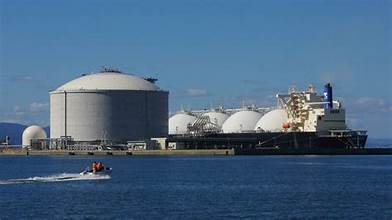
About 37 million tons per annum (mtpa) of new LNG liquefaction capacity is expected to come online in 2026, adding to the 51 mtpa that entered service in 2025, a new report by Kepler has revealed.

The new projects are scheduled to start up progressively through the year, supporting a sustained increase in global LNG supply, particularly from the Atlantic Basin.
According to Kpler Insight, global LNG supply is forecast to rise by more than 46 million tons in 2025 to 475.3 million tons. However, the firm cautioned that frequent delays in LNG project development mean commissioning schedules and ramp-up timelines will be critical in determining the actual scale of supply growth in 2026.
The two largest projects slated for start-up next year are the 15.6 mtpa Golden Pass LNG facility in the United States and the first 8 mtpa train of Qatar’s North Field East (NFE) expansion. Both projects face timeline uncertainty.
Golden Pass has suffered setbacks following the bankruptcy of its original EPC contractor, Zachry, while the NFE project faces construction schedule risks, with market rumors suggesting possible delays beyond the current forecast start-up date of October 2026. Australia’s Pluto LNG Phase 2 could also encounter delays amid the threat of industrial action by workers at the site.
A Kpler report seen by Oracle Intelligence said the global gas market is entering a major transition phase, shifting away from the tight conditions that have prevailed since 2022 towards a period of oversupply.
The LNG market balance is expected to loosen further in 2026, driven largely by the surge in new supply. As the market rebalances, global gas prices are projected to decline, compressing margins for US LNG offtakers, though not to levels that would trigger widespread cargo cancellations.
Kpler also expects a gradual return to more traditional LNG trade routes. LNG carriers could resume transits through the Suez Canal, provided there is sustained peace between Israel and Hamas, which would ease shipping constraints and improve delivery flexibility.
Despite these potential improvements, uncertainty is expected to remain high. The outcome of Russia-Ukraine peace negotiations remains a key risk factor, as any resolution, or continued conflict, could influence the return of Russian pipeline gas and LNG volumes to the global market.
Kpler said 2026 is shaping up as a transitional year for the LNG market, marked by ample supply growth, shifting trade flows and persistent geopolitical risks, requiring market participants to carefully manage both challenges and opportunities.