Skip to content

Nigeria listed as US suspends immigrant visa processing for 75 countries

By Ziggy Ojiegbe
Nigeria has been listed among 75 countries whose citizens will no longer have their immigrant visa applications processed by the United States, as Washington tightens immigration rules under President Donald Trump’s administration.

The move marks a further strain in Nigeria–US relations, which have deteriorated since the current federal administration took office, amid growing restrictions on Nigerian travellers and migrants.
The US State Department said on Wednesday that it will suspend immigrant visa processing for citizens of 75 countries deemed by the Trump administration to be at high risk of relying on public assistance while living in the United States.
Nigeria appears on the list alongside countries such as Afghanistan, Iran, Russia and Somalia.
According to the State Department, the suspension will take effect from January 21 and is based on a broader directive issued in November that tightened rules on applicants who may become “public charges” in the US.
Countries affected include Afghanistan, Albania, Algeria, Antigua and Barbuda, Armenia, Azerbaijan, Bahamas, Bangladesh, Barbados, Belarus, Belize, Bhutan, Bosnia, Brazil, Burma, Cambodia, Cameroon, Cape Verde, Colombia, Congo, Cuba, Dominica, Egypt, Eritrea, Ethiopia, Fiji, Gambia, Georgia, Ghana, Grenada, Guatemala, Guinea, Haiti, Iran, Iraq, Ivory Coast, Jamaica, Jordan, Kazakhstan, Kosovo, Kuwait, Kyrgyzstan, Laos, Lebanon, Liberia, Libya, North Macedonia, Moldova, Mongolia, Montenegro, Morocco, Nepal, Nicaragua and Nigeria.
Others are Pakistan, Republic of the Congo, Russia, Rwanda, Saint Kitts and Nevis, Saint Lucia, Saint Vincent and the Grenadines, Senegal, Sierra Leone, Somalia, South Sudan, Sudan, Syria, Tanzania, Thailand, Togo, Tunisia, Uganda, Uruguay, Uzbekistan and Yemen.
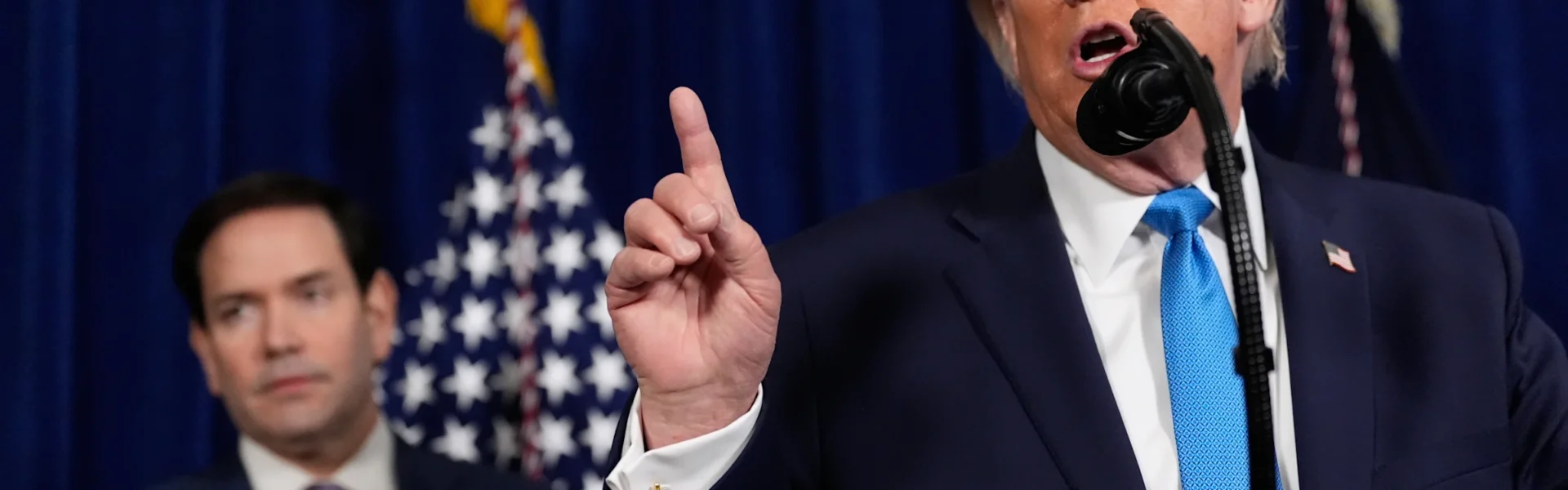
The State Department, led by Secretary of State Marco Rubio, said consular officers had been instructed to halt immigrant visa applications from the affected countries while the department reassesses its screening procedures.
“This pause is intended to prevent the entry of foreign nationals who are likely to rely on welfare and public benefits,” the department said in a statement, adding that the administration was moving to “end abuse of America’s immigration system.”
The suspension does not apply to non-immigrant visas, including temporary tourist and business visas, which account for the majority of US visa applications. Demand for such visas is expected to rise ahead of the 2026 FIFA World Cup and the 2028 Olympic Games, which the US will host or co-host.
The Trump administration has already imposed sweeping restrictions on both immigrant and non-immigrant visas for citizens of dozens of countries, particularly in Africa, Asia and Latin America.
The November guidance underpinning the latest decision requires US embassies and consulates to carry out more extensive vetting to ensure visa applicants will not rely on public assistance after entering the US.
While US law has long required prospective immigrants to demonstrate they will not become public charges, Trump expanded the scope of disqualifying benefits during his first term. The new guidelines appear to extend those requirements further.
Immigrant visa applicants already undergo medical examinations and screening for communicable diseases, substance abuse, mental health conditions and criminal history, as well as mandatory vaccinations.
Under the new directive, consular officers must also consider applicants’ age, health, family situation, financial resources, education, skills and prior use of public assistance. Officials are additionally permitted to assess English proficiency, including by conducting interviews in English.
Experts say the measures could further restrict access to US immigration at a time when the administration is already tightening entry rules.