Skip to content


- Taiwanese’ moldy coffee case proves lethal
Ziggy Ojiegbe
Stale and mold-contaminated food items can cause severe and irreversible damage to vital human organs when consumed over time, medical experts warn, even when they are cooked or boiled before eating.

A recent case in Taiwan highlights the danger. A man in his 50s with an active and otherwise healthy lifestyle has been diagnosed with end-stage kidney disease after years of drinking coffee brewed from moldy beans.
The case was disclosed on January 4 by Hung Yung-hsiang, a nephrologist at a hospital in Taipei, who shared the details on his personal Facebook page to raise awareness about food safety risks, according to local outlet ET Today.
The man was taken to hospital after collapsing during a morning run. Tests showed his estimated glomerular filtration rate had fallen below 10, a level indicating severe kidney failure. Doctors said he had no history of diabetes, high blood pressure, or gout, common causes of kidney disease.
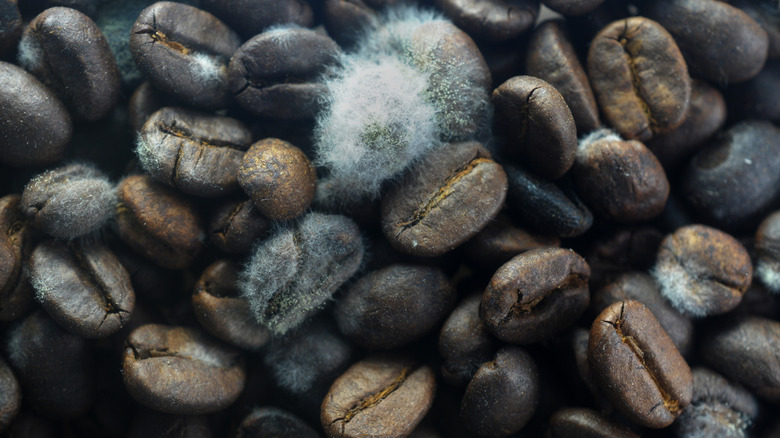
Further investigation found that the patient regularly bought large quantities of discounted coffee beans and stored them in a kitchen cabinet for long periods. He continued to grind and drink the beans even after they changed color and developed mold, believing that boiling water during brewing would eliminate harmful bacteria and fungi.
Hung said this belief is incorrect. The toxin commonly found in moldy coffee beans, ochratoxin, is heat-resistant and cannot be destroyed by boiling water. It only breaks down at temperatures above 280 degrees Celsius.
Prolonged consumption of the contaminated coffee led to a gradual buildup of ochratoxin in the man’s body, damaging his kidneys over time. Before collapsing, he had experienced persistent foamy urine and swelling in his ankles, symptoms he mistakenly attributed to intense exercise.
Hung described ochratoxin as a “time bomb” to human health. Unlike toxins that cause immediate food poisoning and are cleared within days, ochratoxin can remain in the body for 35 to 50 days. It harms the kidneys by triggering inflammation and cell death, disrupting tubular metabolism, and causing long-term scarring of kidney tissue.
He compared the damage to pouring cement into a water filtration system, permanently clogging the kidneys’ filtering membranes.
The doctor urged the public never to consume food showing signs of mold, especially in hot and humid conditions above 25 degrees Celsius, which encourage mold growth. Saving spoiled food, he warned, may seem economical but can result in lifelong health consequences.