Skip to content

Venezuela’s new government seeks cooperation with Trump administration

Ziggy Ojiegbe
Venezuela’s interim government has signaled a sharp shift away from the country’s long-standing posture of leftist anti-Americanism, moving instead to court cooperation with the administration of United States President Donald Trump following the arrest and deportation of former president Nicolás Maduro by US authorities.

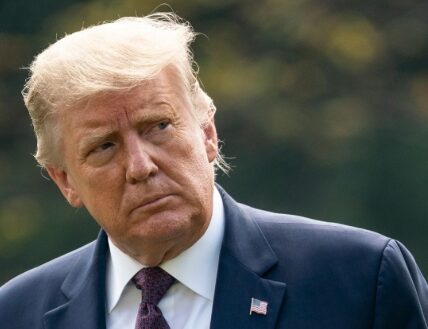
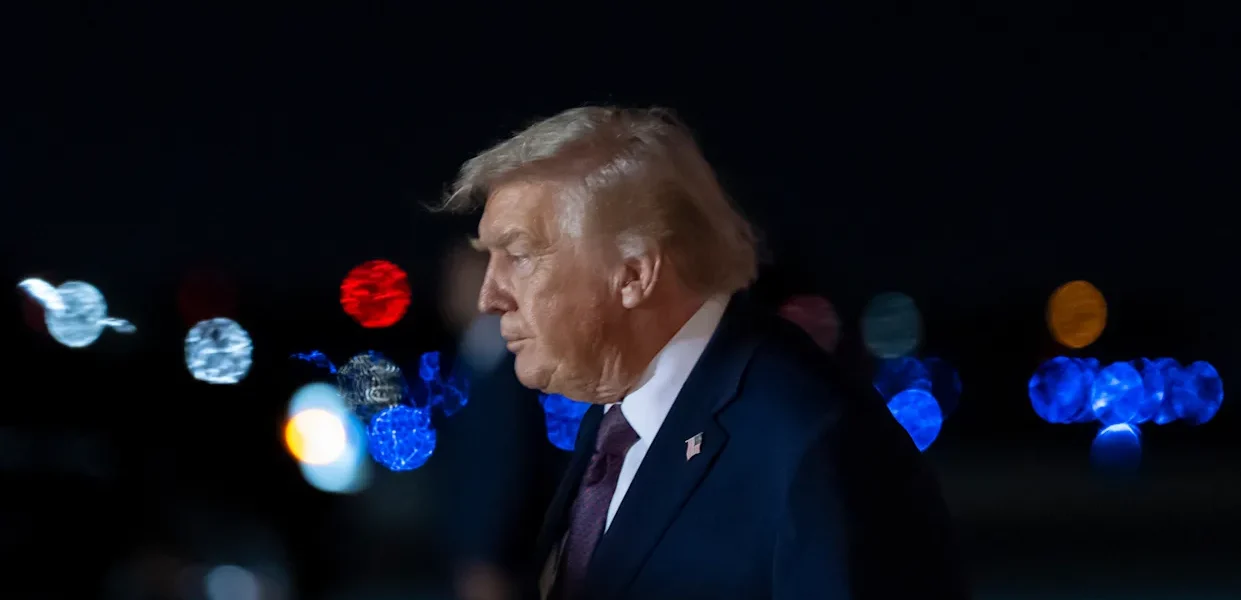
In the immediate aftermath of Maduro’s sudden removal, the transitional leadership, headed by his deputy, initially adopted a confrontational tone. Officials vowed to resist what they described as US imperialism and warned of escalation. President Trump responded by threatening stronger military pressure, including continued naval presence near Venezuela, and suggested that Washington could play a temporary role in overseeing the country’s transition.
However, the interim government has since softened its stance. Venezuela’s Acting President Delcy Rodríguez, who is serving as interim president, publicly appealed for dialogue with Washington, declaring a willingness to reset relations.
 Venezuela’s Acting President Delcy Rodríguez
In a message posted on Instagram, Rodríguez said Venezuela wanted “a relationship of mutual respect with the United States” and called for cooperation focused on shared development goals within the framework of international law.
Addressing Trump directly, she added that “our people and region deserve peace and dialogue, not war,” emphasizing the need for balanced relations based on sovereign equality and non-interference.
Analysts say the shift reflects growing concern within Venezuela’s interim leadership following Maduro’s detention and uncertainty over further US legal actions. The US Department of Justice has indicated that additional indictments against Maduro’s associates remain possible.
According to political observers, Rodríguez’s outreach may be aimed at securing international recognition for the transitional government and ensuring internal stability at a time of heightened pressure from Washington.
Just days earlier, Rodríguez had demanded Maduro’s release at an emergency cabinet meeting, declaring that “our only president is Maduro,” and rejecting US influence. That position appeared to change rapidly after Trump publicly warned that failure to cooperate would carry “a very big price,” remarks that explicitly singled her out.
Unconfirmed reports circulating on Venezuelan social media about increased US naval activity in the Caribbean have further heightened anxiety within the country’s leadership, analysts say.
While some observers caution that the outreach may be a tactical move to buy time rather than a full policy reversal, many agree that the interim government faces limited room for resistance under unprecedented circumstances, with its former leader in US custody and Washington exerting direct pressure.